Our schedule is published: https://fest.philosophers.group
Register!
High impact fun.


Imagine: You’re at a doctor’s office. You’re handed a form to fill out with your medical history. You glance at it then say, “okay – send.” The form is completed with your info and sent to the doctor.
Biomarkers made sure you were the one giving consent to share information you carried around in a device that resembled a contact lens. You shared this information with no one. The computer was completely built in that contact lens.
If you were blind, the contact lens could describe the world you encounter. It might even be hooked into your occipital lobe. Blindness is eradicated through one secure device you pop in each morning, or choose to have permanently implanted.
That idea may seem like Science Fiction, but advances in AI and quantum computing can get us there.
Yesterday, I released a tool that turns PDFs into accessible HTML. Equalify Iris is Open Source software that solves a very big problem: PDF documents largely can’t be accessed by people who are blind.
Iris took me about a month to build, after about five months of research.
Next, I will create another tool that turns the accessible HTML back into the document. That will allow a blind person to both see and fill out forms they encounter. I should have the complete platform built by the New Year, and released in an app that anyone can use.
These advances matter for blind people, and for anyone who’s ever hated filling out a form. Take something as routine as flying with a seeing-eye dog: the airline still requires a PDF. The PDF airlines send is usually unaccessible, meaning a blind person had to ask for third-party assistance to fill it out. With Iris, no third-party is needed.
The TSA form is one of billions like it. PDF is a proprietary format that locks unstructured information inside one company’s innovation cycle. Helping blind people doesn’t make Adobe money, so the format remains largely inaccessible.
Fixing documents proves the technology’s ability to accurately understand visual information. But that technology could eventually move far beyond documents and into everything someone encounters in the real world.
Imagine a blind person carrying an Iris device. They could point it at any device—a computer, phone, kiosk, ATM, appliance, ticket machine—and speak to Iris.
Iris could see and understand the interface. If it also had a way to communicate with that device, it could control it.
The user wouldn’t need a traditional screen reader. They wouldn’t need to learn the device’s accessibility settings, find the right navigation model, or wait for the manufacturer to build a compatible experience.
They could simply say:
“Send this email.”
“Buy this ticket.”
“Turn the heat down.”
“Show me my balance.”
“Play this video.”
Iris would translate the user’s intent into actions on the device, while describing the results back to them.
The important leap is that Iris wouldn’t need every device to have its own accessibility interface. Iris could become the accessibility interface.
Documents are the proving ground. The larger vision is a universal interface between people and the visual technology around them.
Evolution Through an AI Feedback Loop
That kind of range is possible because of a key technological innovation already coded into the Equalify Iris project: an agentic feedback loop. The system constantly gets better. Every time someone adds content that the existing agents didn’t properly articulate, a sub-agent builds a fix, then posts that fix for review in the codebase. Eventually, there won’t be anything major to fix, and that’s when the agents move on to problems outside of documents.
That’s how teaching a machine to read a document becomes an OS for sight. Once we solve blindness with our SightOS, what else can we do?

Most work today runs on deterministic goals — goals set at the outset, measured at the end. Businesspeople call these Key Performance Indicators, or KPIs. As I’ve taken my work more seriously, I’ve set myself increasingly ambitious goals: solve 1 million accessibility bugs, raise $500M. KPIs have been useful in telling the story of what I want to do and how well I have done it. In other words, they’ve given justification to my work. But I don’t think they have made me happier.
A project usually follows the same emotional arc. It starts with a spike of optimism when you set the goal, followed by a smaller burst of motivation once the work begins. Then comes the long middle: a stretch dominated by stress, as KPI pressure and deadlines take over. At the end, there’s a brief spike of relief if you succeed, or sorrow if you don’t — and that spike rarely lasts. Even on a success, joy shows up only at the edges: optimism at the start, relief at the end. The rest is stress. And a bigger goal doesn’t seem to buy a meaningfully bigger peak at either end.
My answer is increasingly that I should content myself with less ambitious goals. Instead of only asking which goal will make my boss happy, I am increasingly asking, “What goal can I work on that doesn’t stress me out?” In other words, my KPI in setting KPIs is becoming “amount of stress I get from pursuing this goal.”
When I am unstressed, I sleep better, eat better, am friendlier, and am happier. The question always creeps in, “Can I be doing more?” But I find that my desire to make a greater impact is contented if my small KPI is part of a bigger picture.
That bigger picture becomes stressful if it is a KPI in itself. “Tackle 10 accessibility issues this year so I can reach 200 in 20 years” raises stressful questions because I have no idea what I will be doing in 20 years. A better big picture goal is abstract, like “be good to those around me and close with those I love.”
I can both be happy and justified if I allow myself to be content with chipping away at modest goals that lead to a big, abstract picture of goodness.

I’m happy to announce that the final course of AI Leaders — Cohort 1 is posted!
This course, like all the AI Leaders courses, is evidence-based:
The course runs eight lessons, twenty minutes each, all on plato.
Learners are guided to find 50 jobs they’re actually qualified for, apply to 3, reach out to 3 real people, and follow up without sounding like a sales cadence. Then the last lesson does something most courses don’t: if you haven’t landed something yet, it sends you right back to apply to 3 more.
A job search isn’t a funnel you walk through once. It’s a loop you tune.
That’s the spirit behind this course, and behind everything we teach in AI Leaders. We hope these lessons build more than a stronger candidate. We hope they build a stronger sense of self, so every student gets closer to their full potential.
Next cohort coming soon. Sign up at AI-Leaders.org.
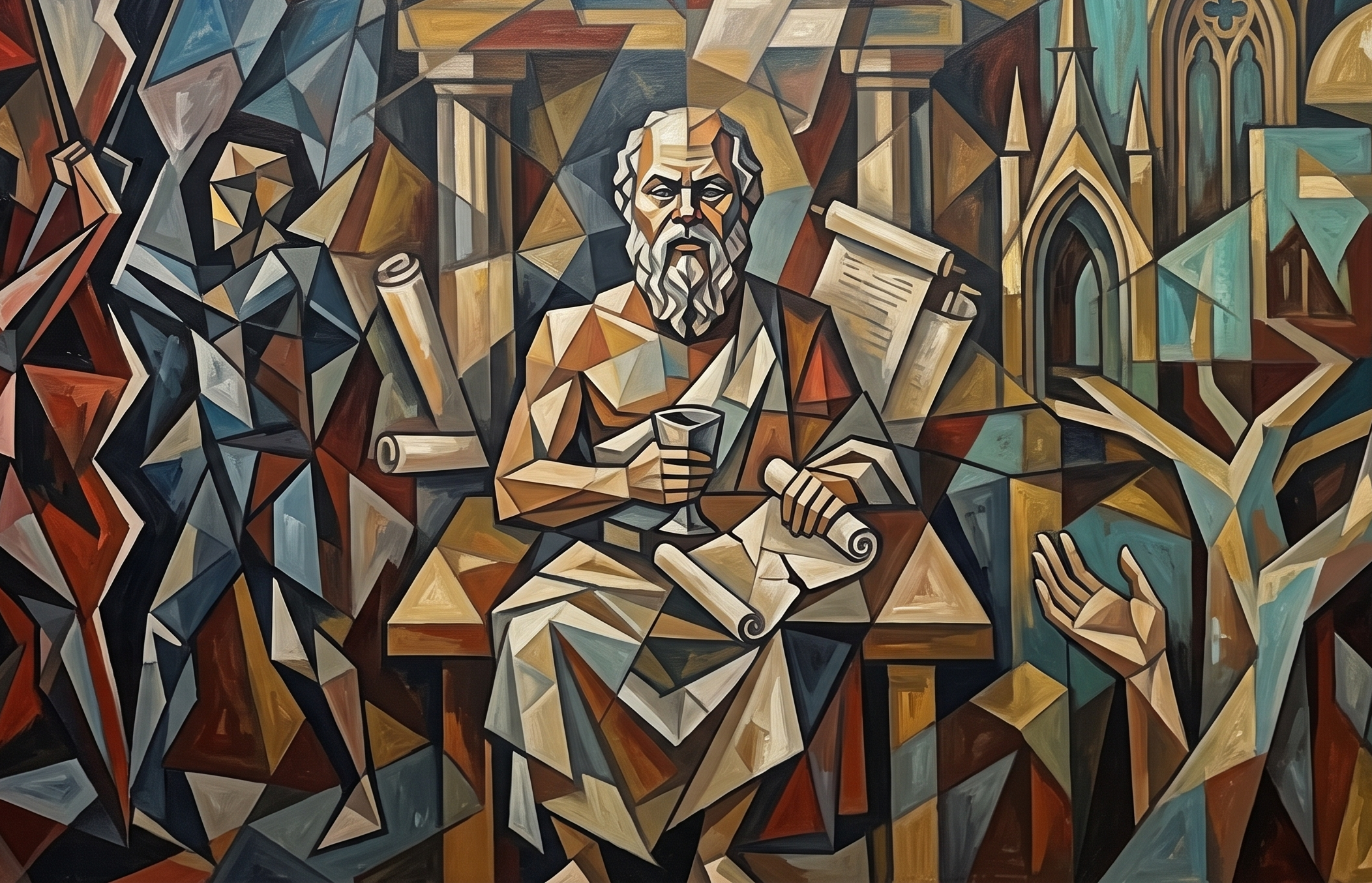
In Open Socrates, Philosopher Agnes Callard sees polarization as a good thing.
Socrates is constantly faced with people who think they are right. His interlocutors’ polarizing attitudes give Socrates something to question. If Euthyphro, for instance, was so-so on whether he should charge his father with murder, Socrates wouldn’t have a subject to question.
In the spirit of fostering polarizing thought, I am going to use this post to explore a topic I’ve been thinking about a lot: Free Will.
I now believe in an omniscient God. We have no Free Will. All is determined. That which determines our life is, for lack of a better word, “God.”
My days have been built around the question: “What do I fill my time with if all is already decided for me?” I have come to terms with time as an eternal present. Everything is already held in Truth that exists beyond me.
My life has become what I can only describe as “religious.” I am engaged in a constant act of worshiping the All-Knowing.
My religion does not have a Gospel. How could anything I create or understand represent the All-Knowing?
I have nothing to worship but the knowledge that all is determined. I elevate nothing else, not even surrender.
So, where does living without Free Will leave me?
I believe the most holy people are those who fall silent after many years of hypothesis and inquiry. But I am also not sure about anything because I only give Truth (note the capital “T”) to the All-Knowing God. And since I am not sure about anything. Everything is absurd or perfect; no matter which. I must accept it all because it is as it must be. Without Free Will, I am free.
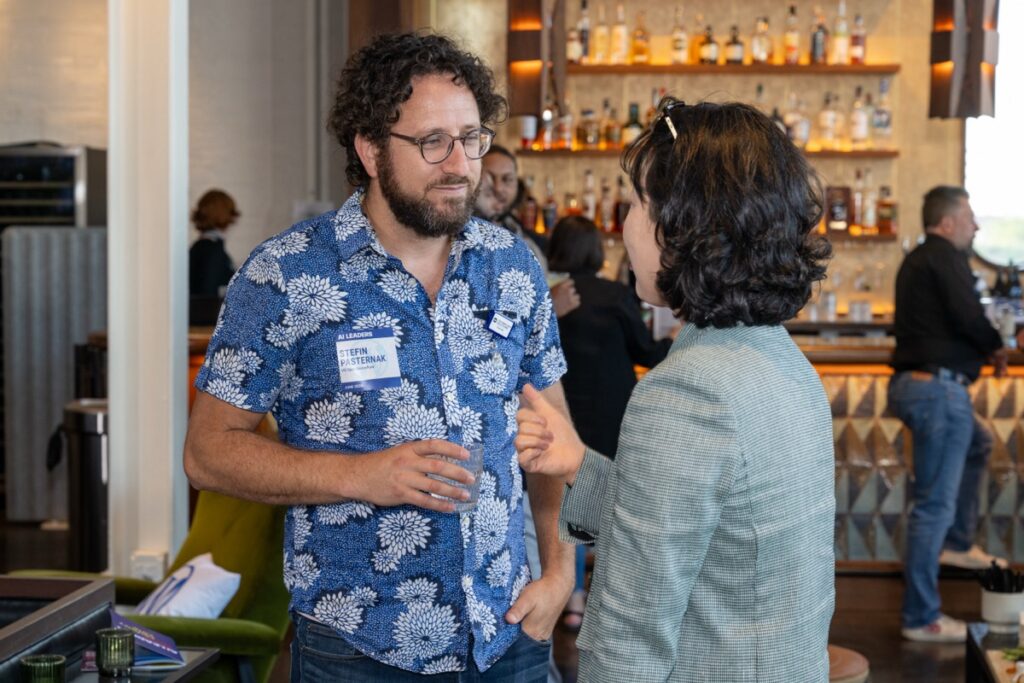
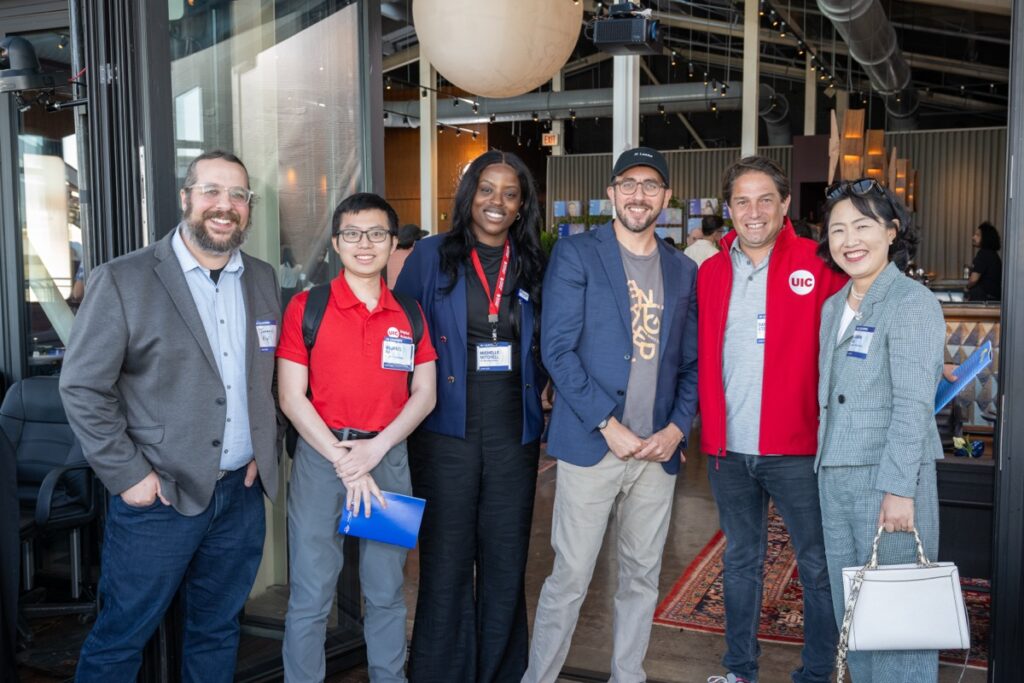
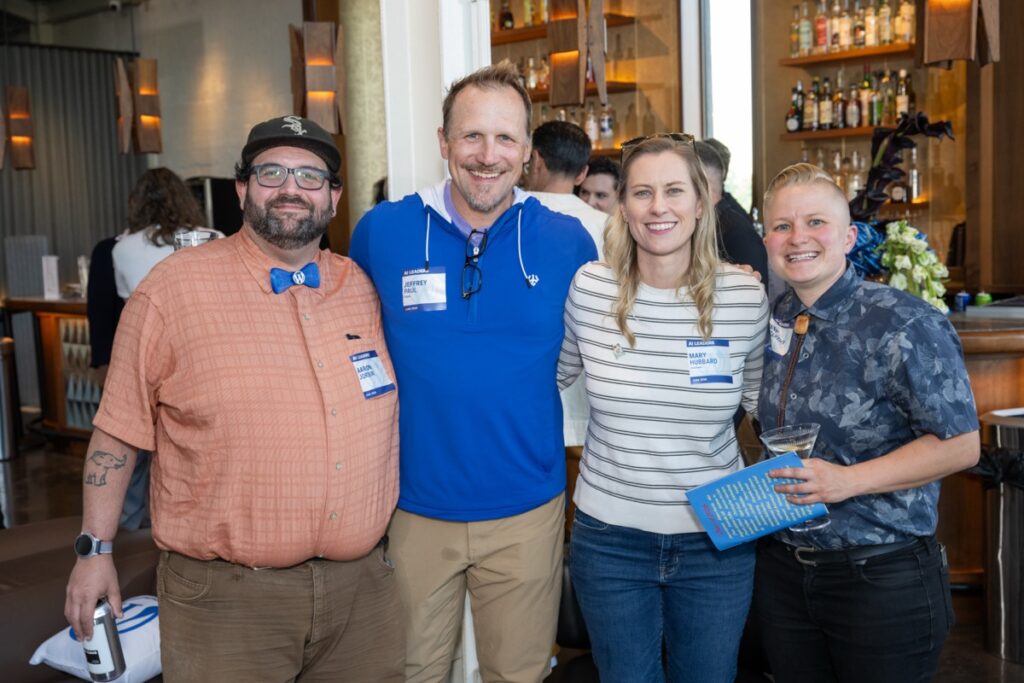
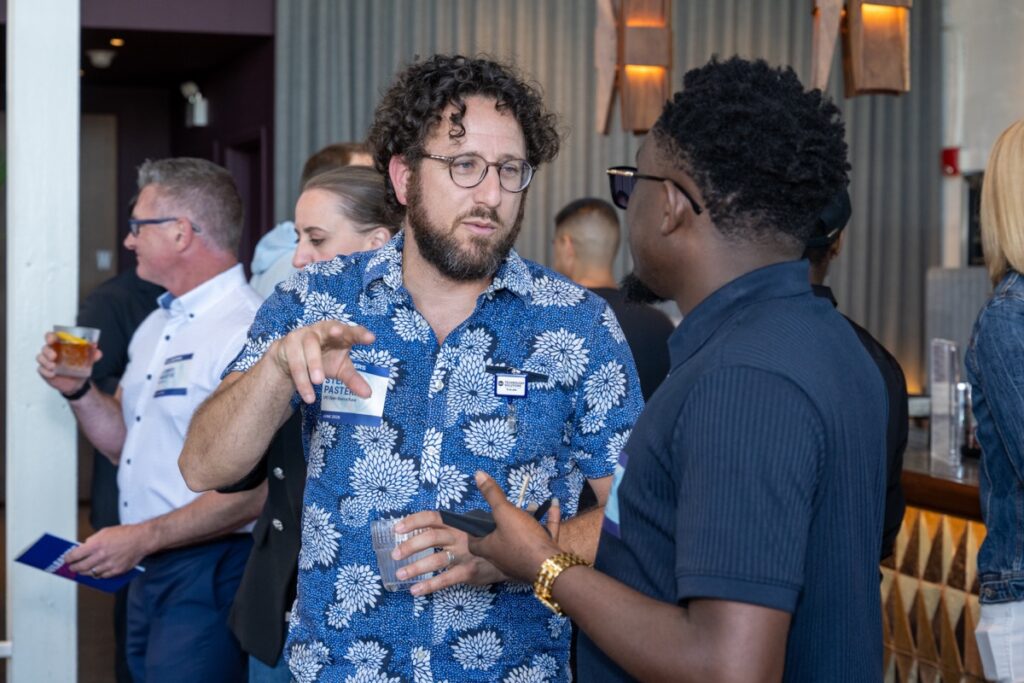
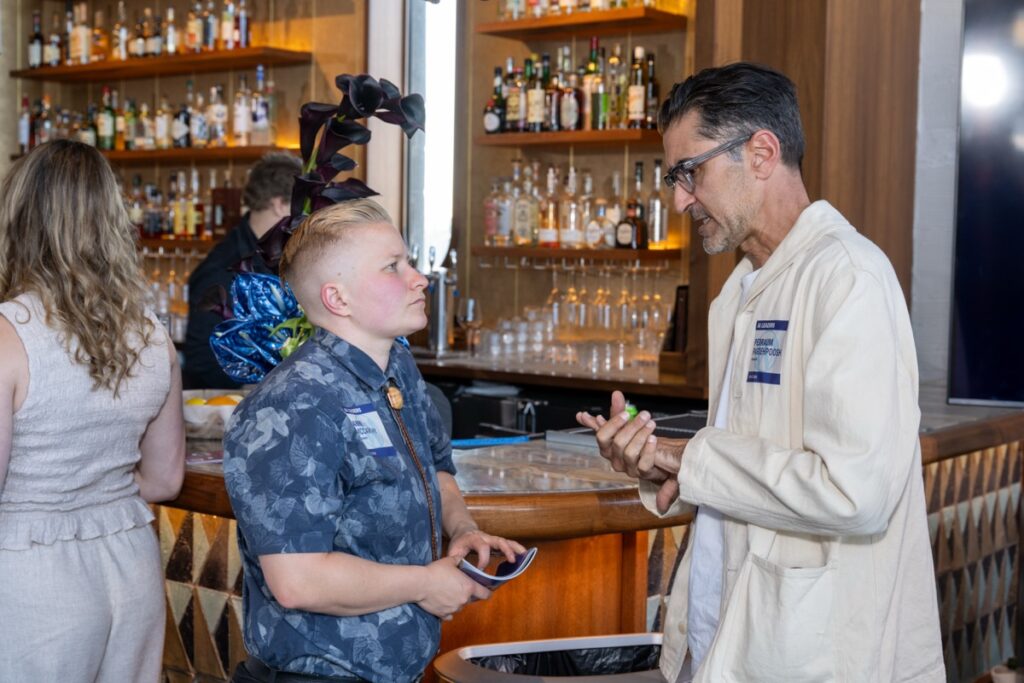
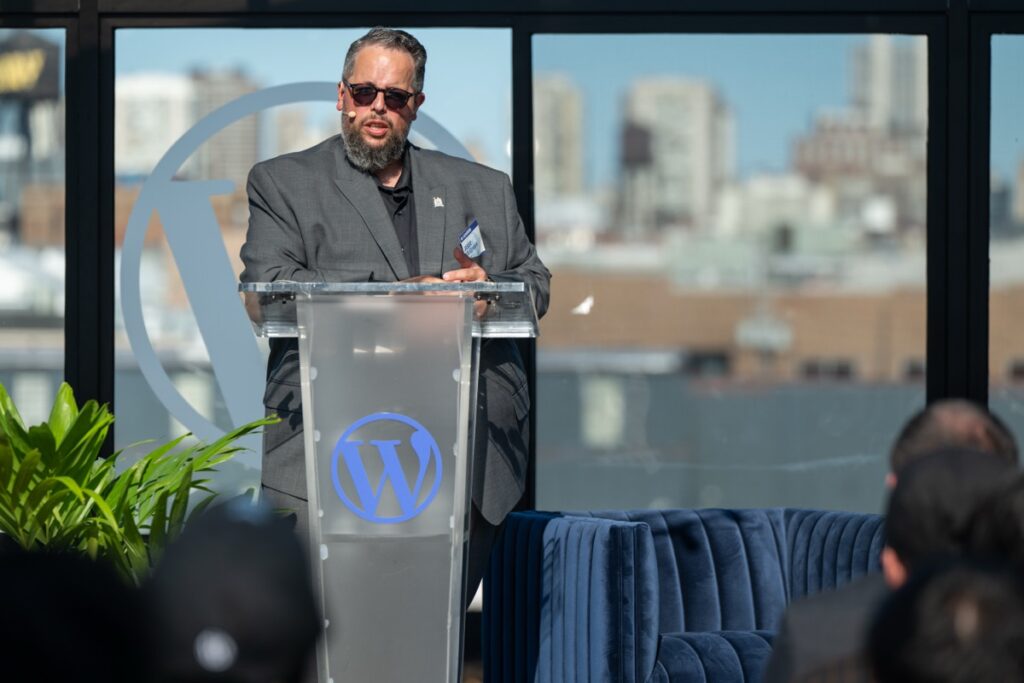
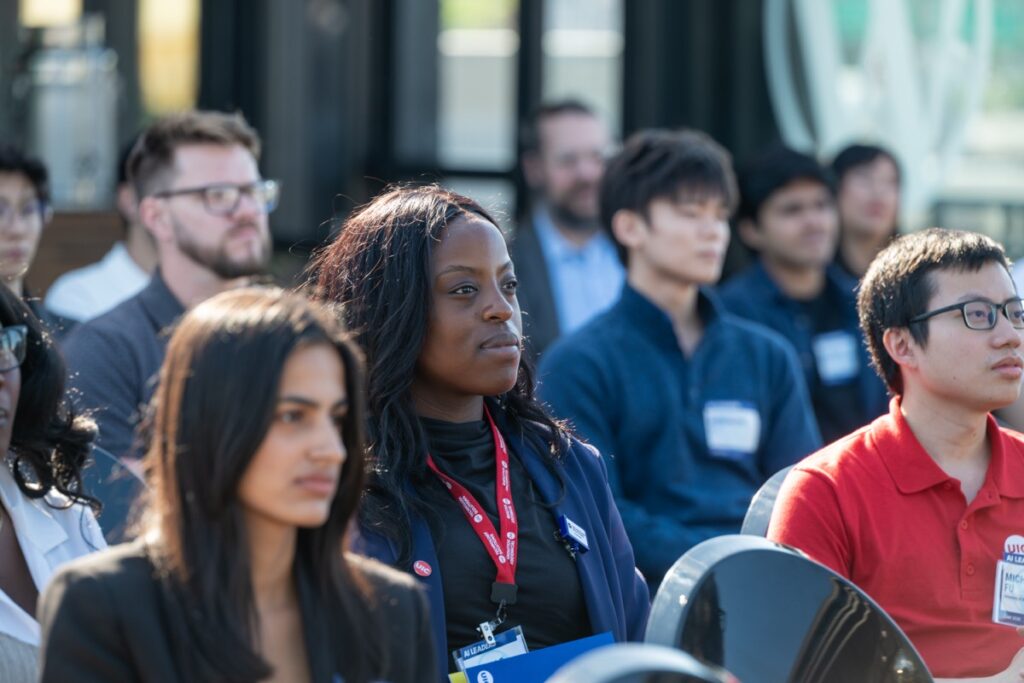
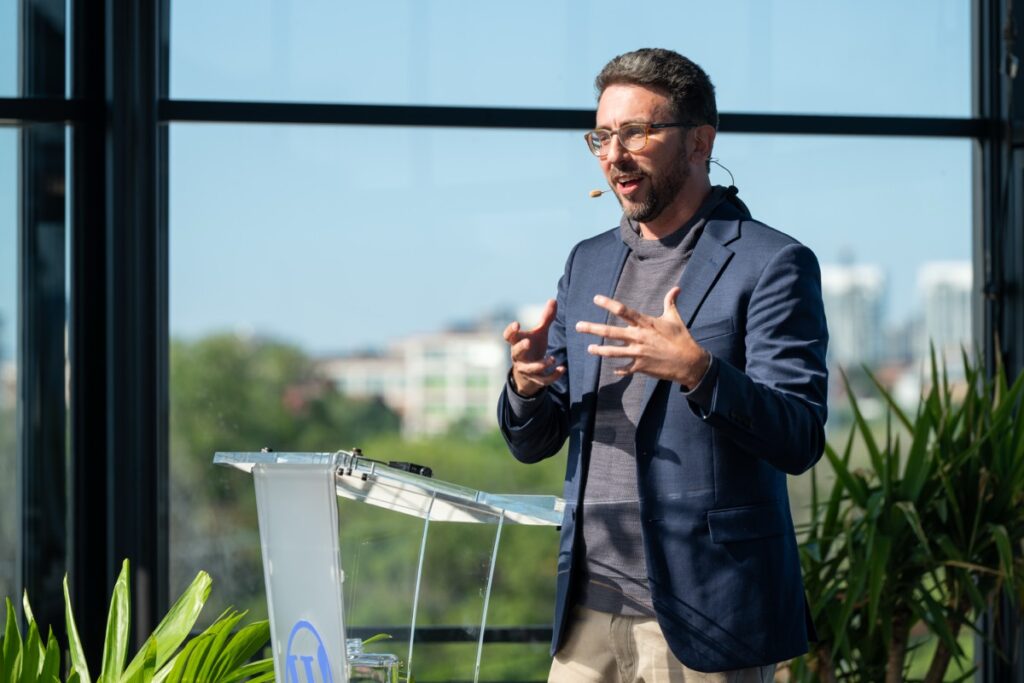
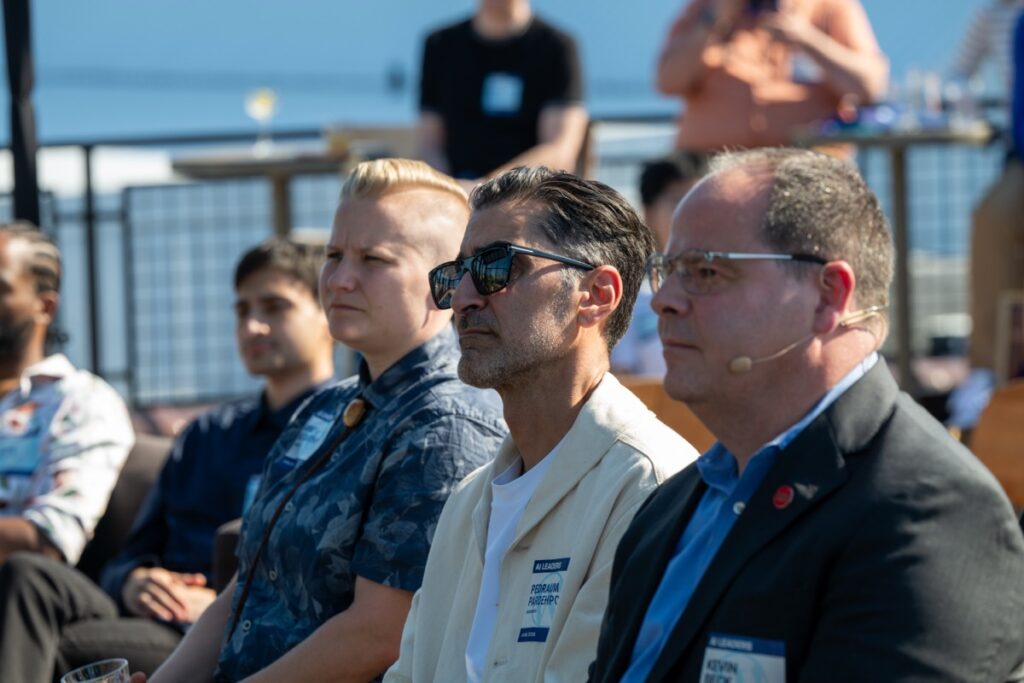
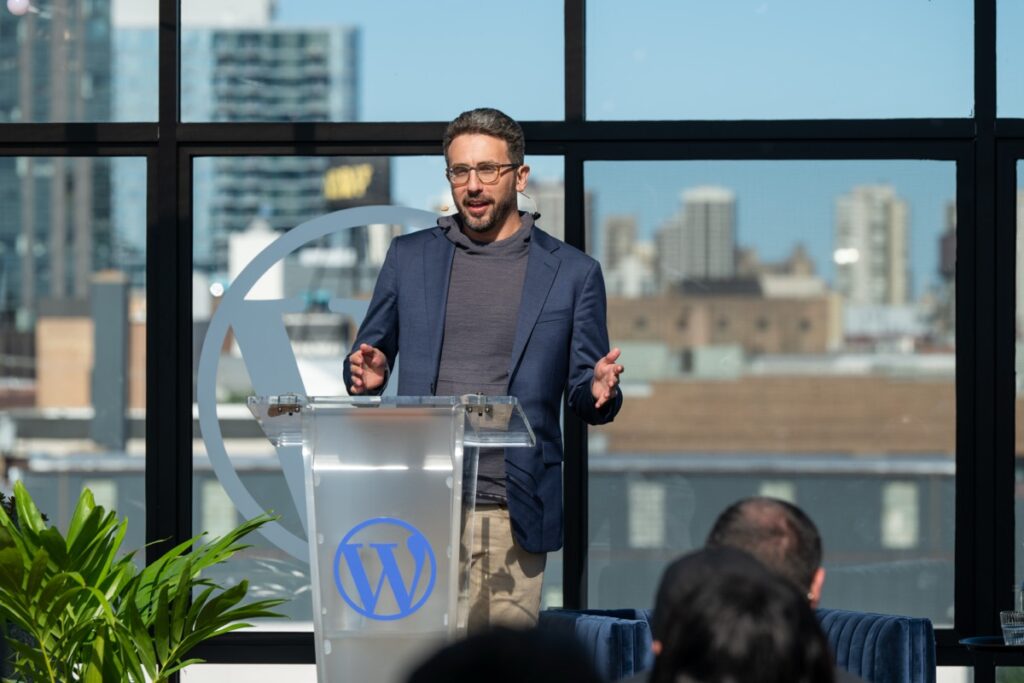
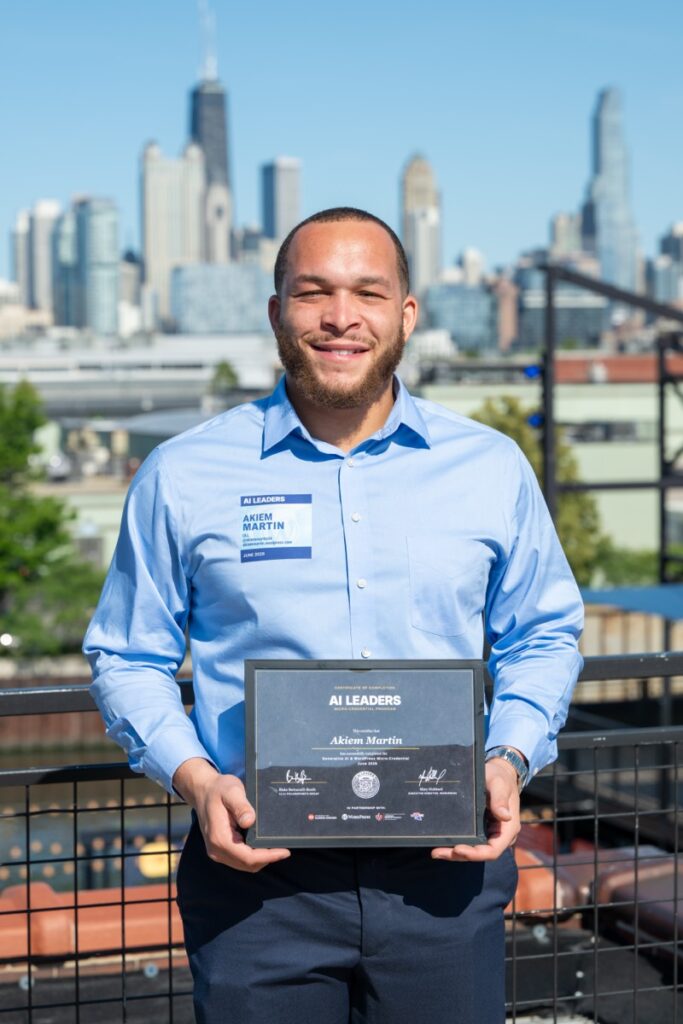
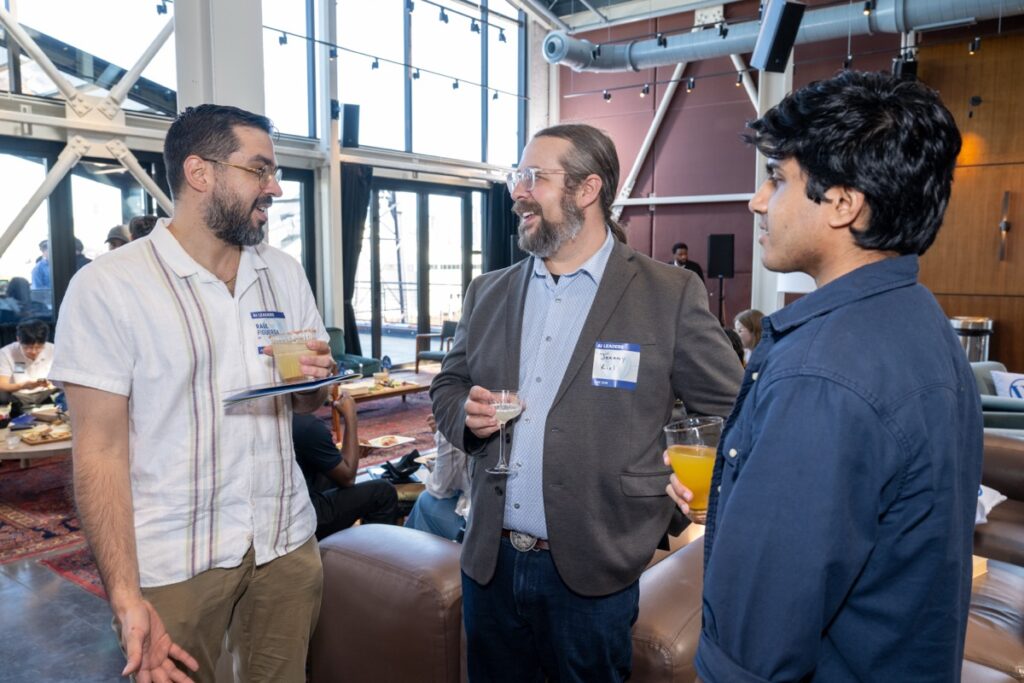
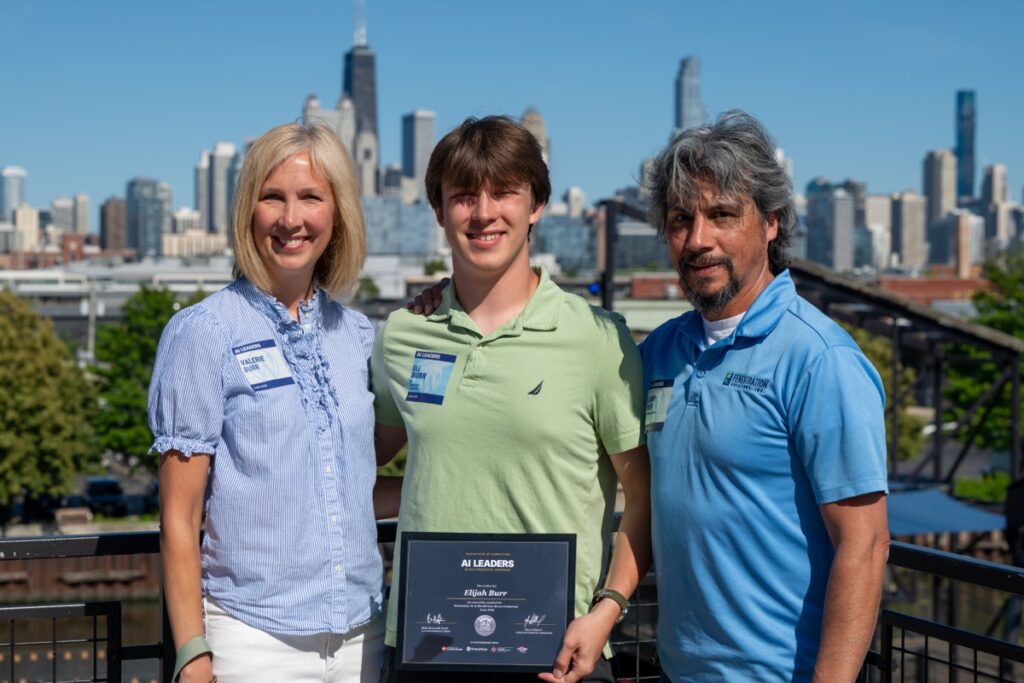
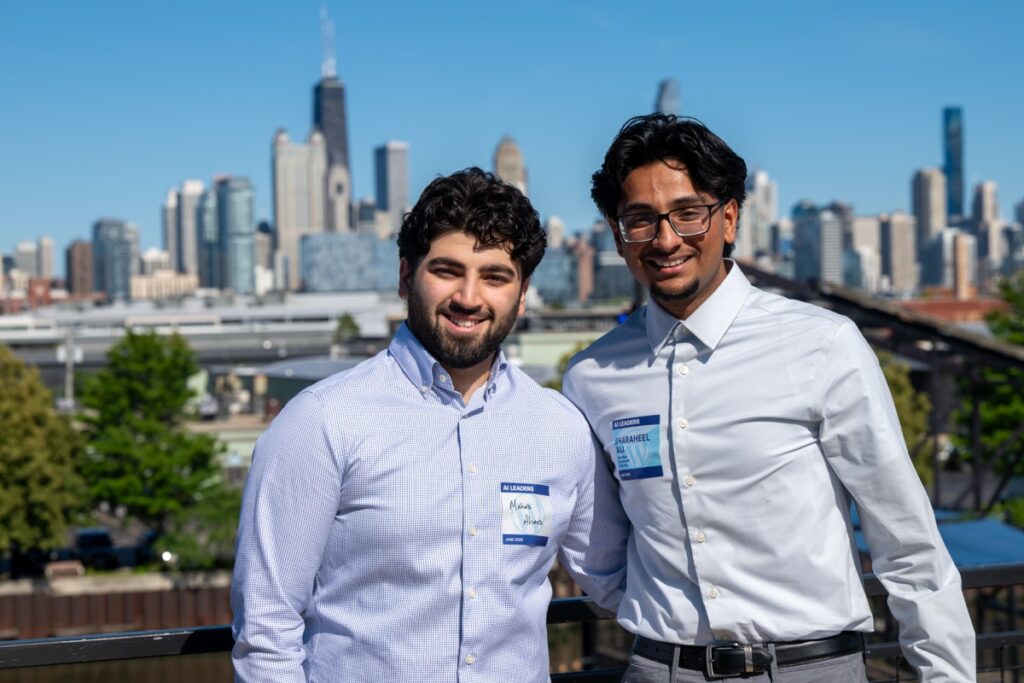
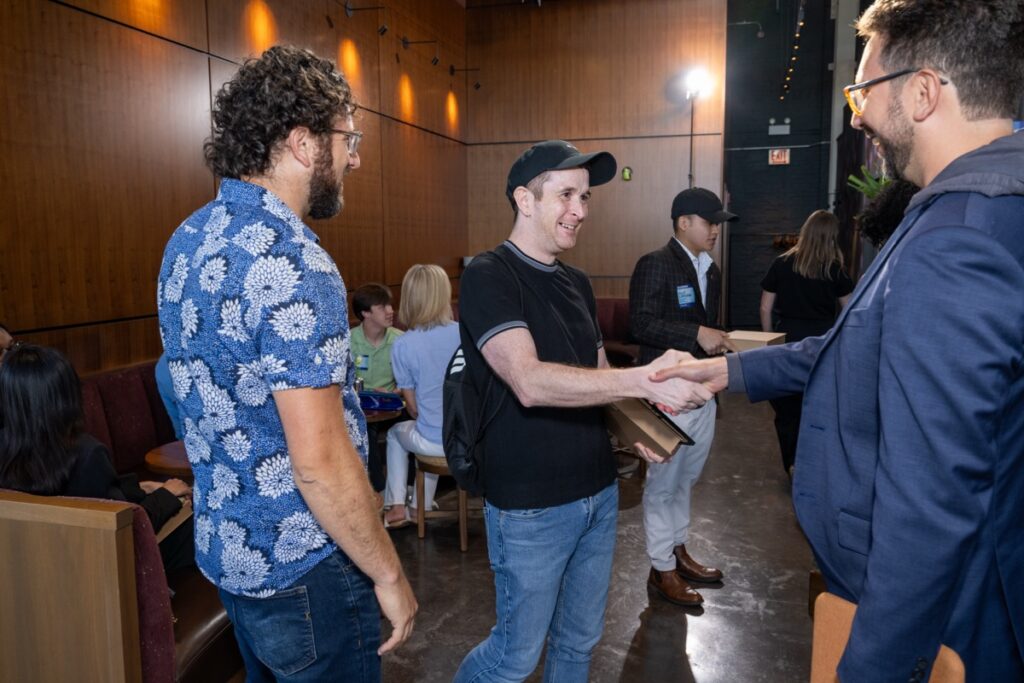
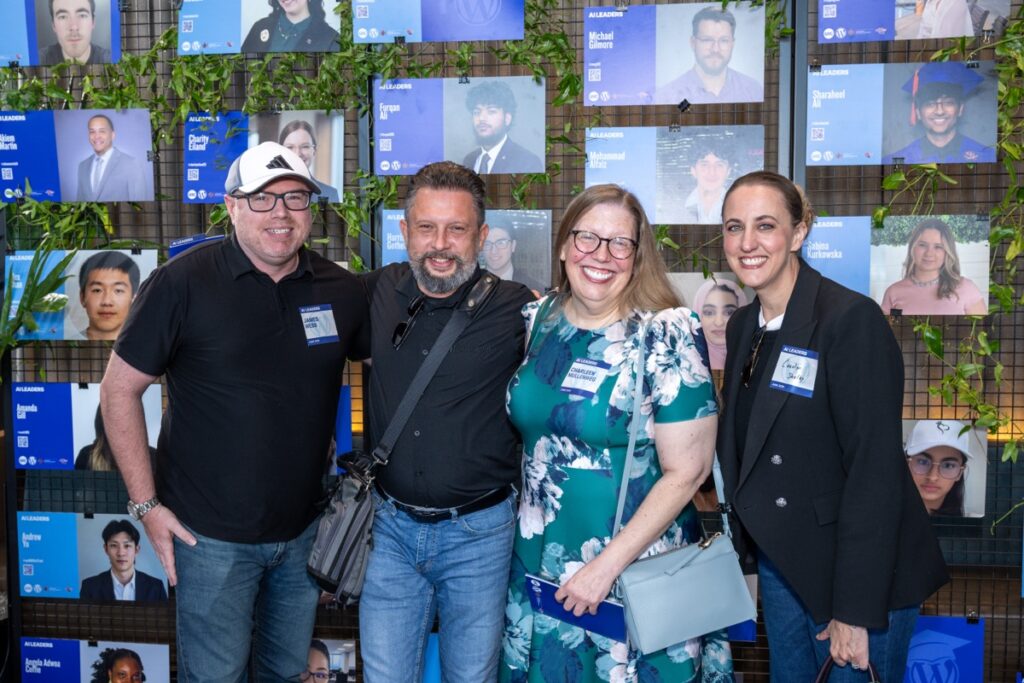
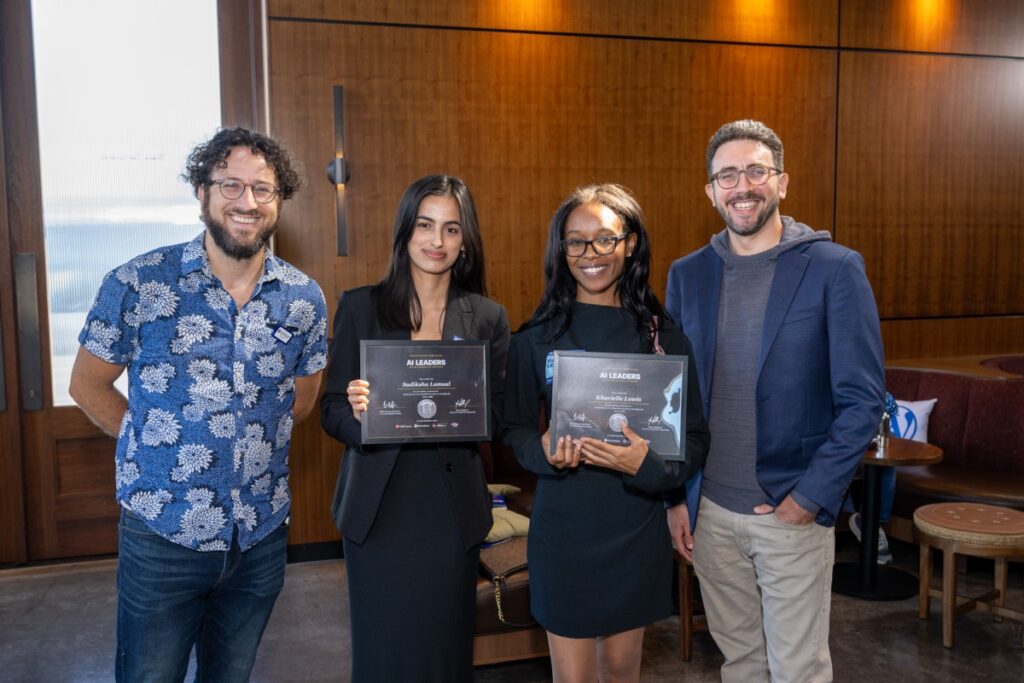
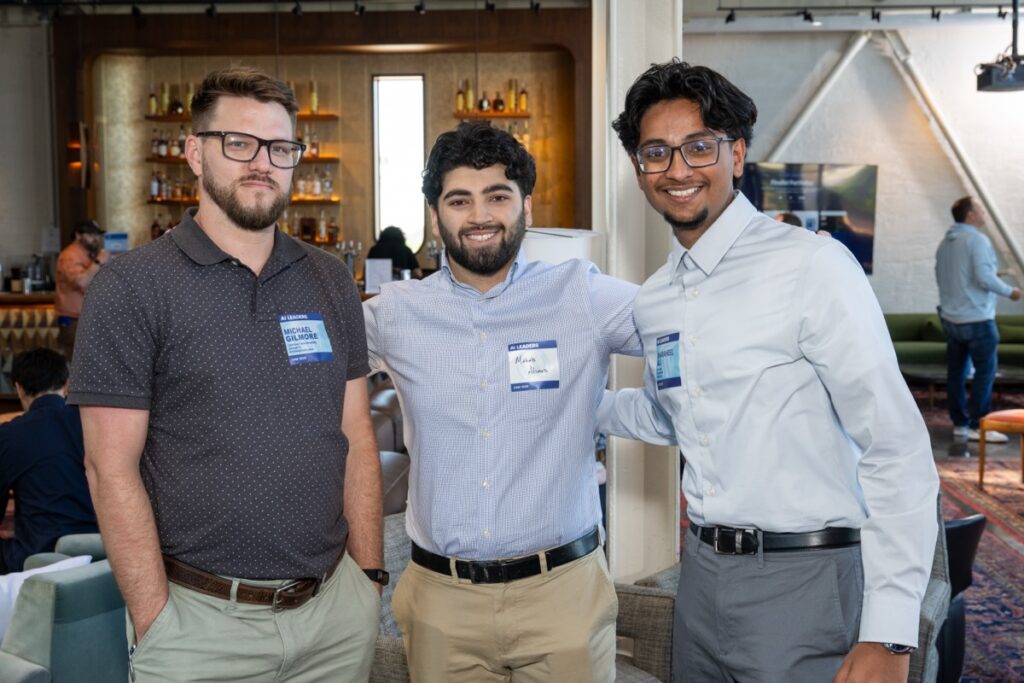
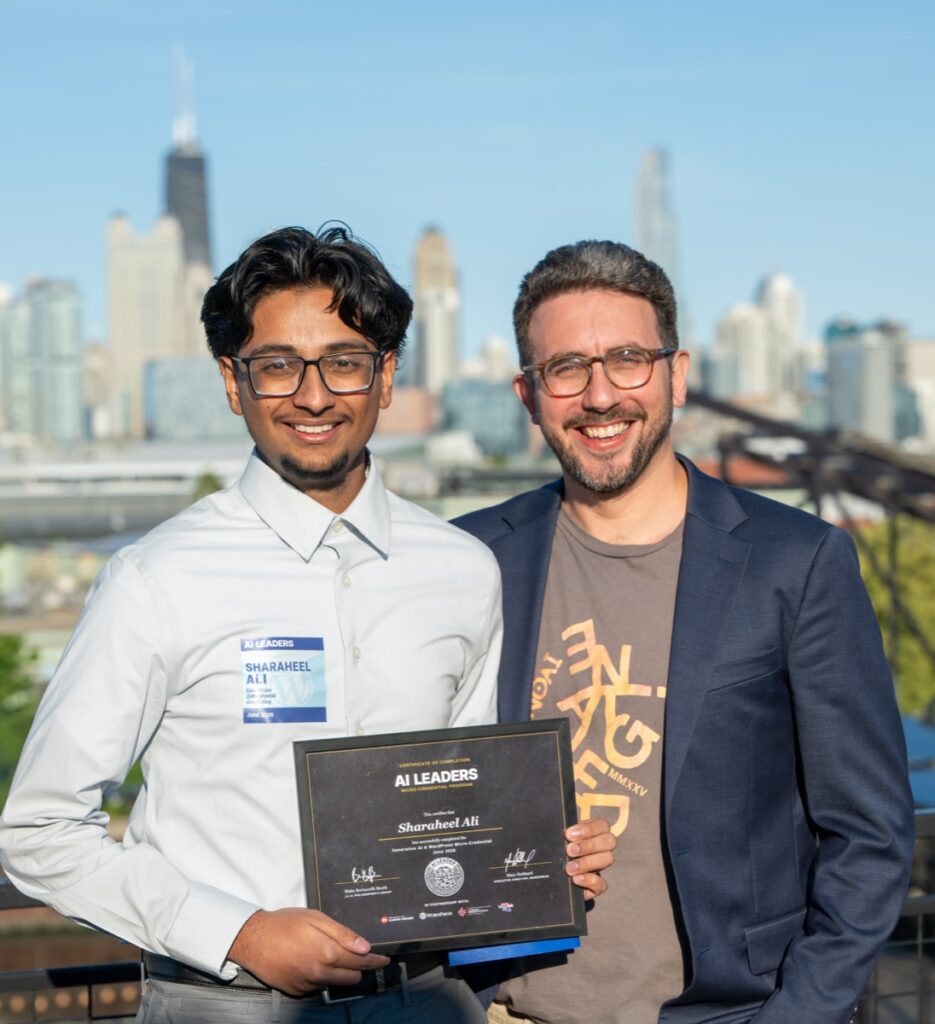
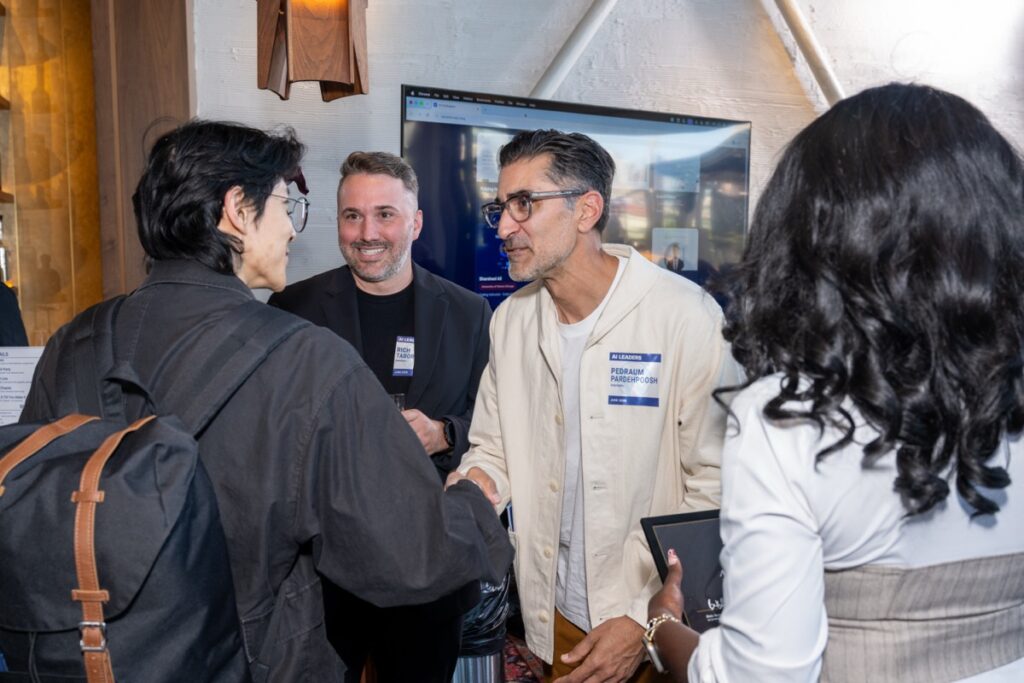
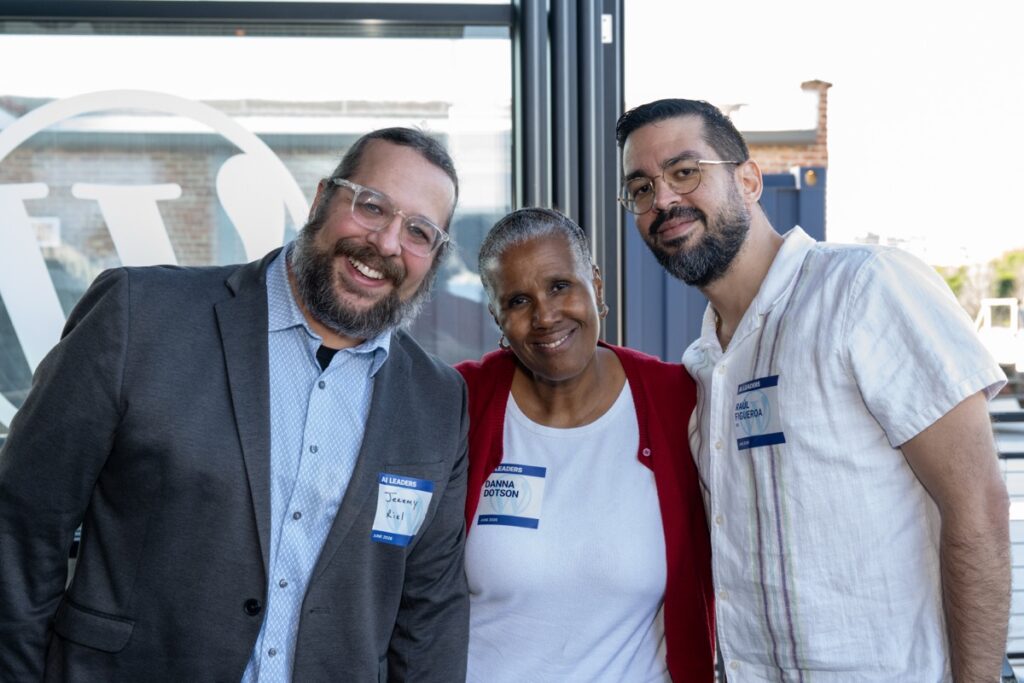
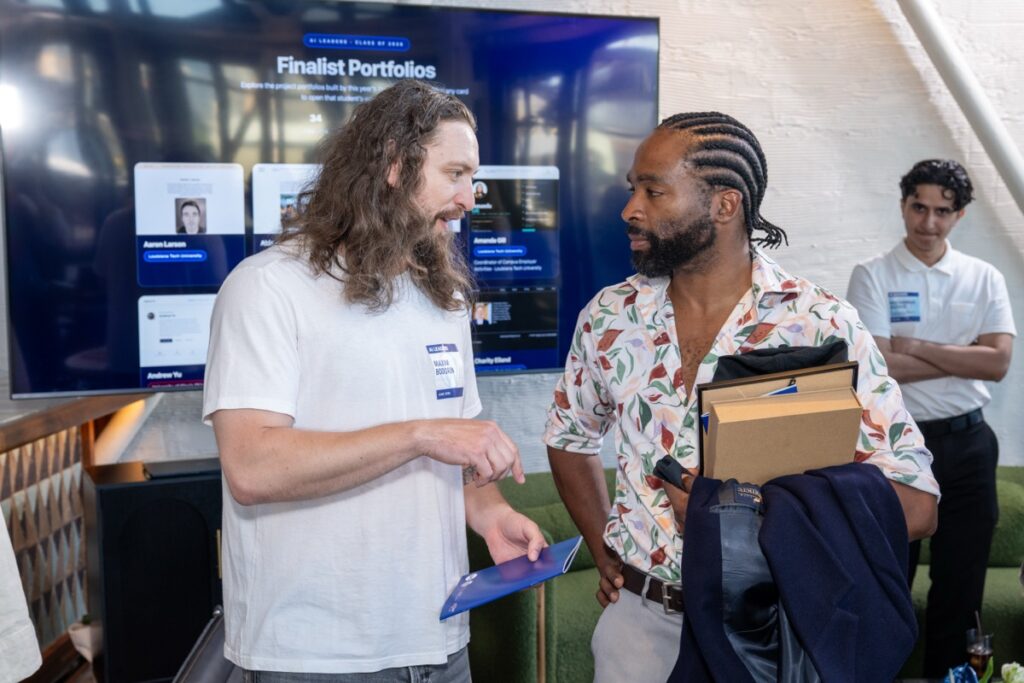
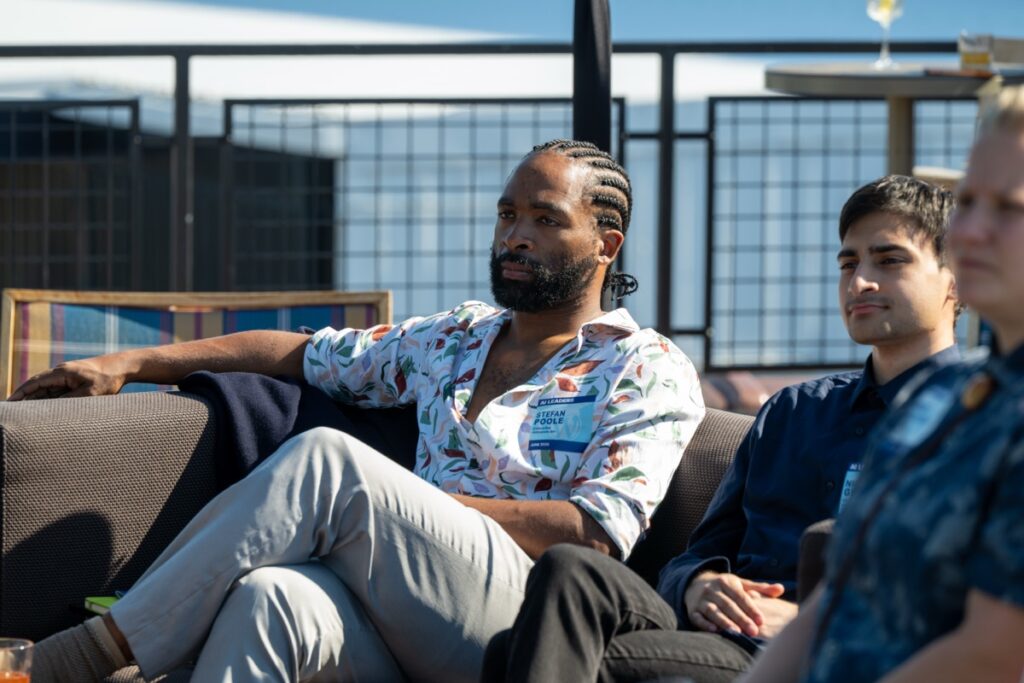
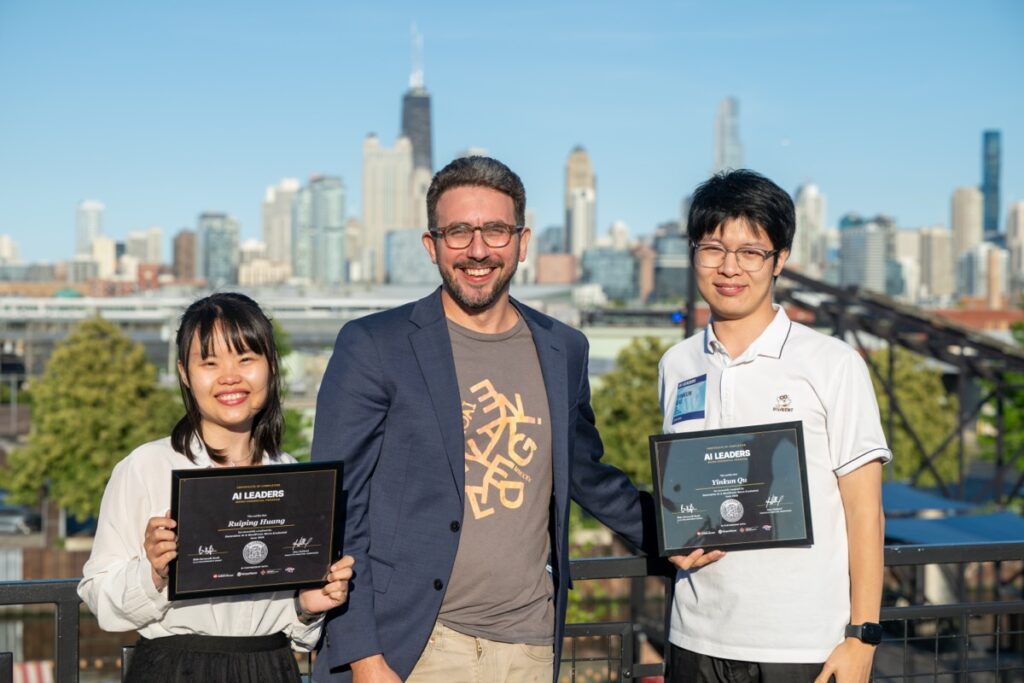
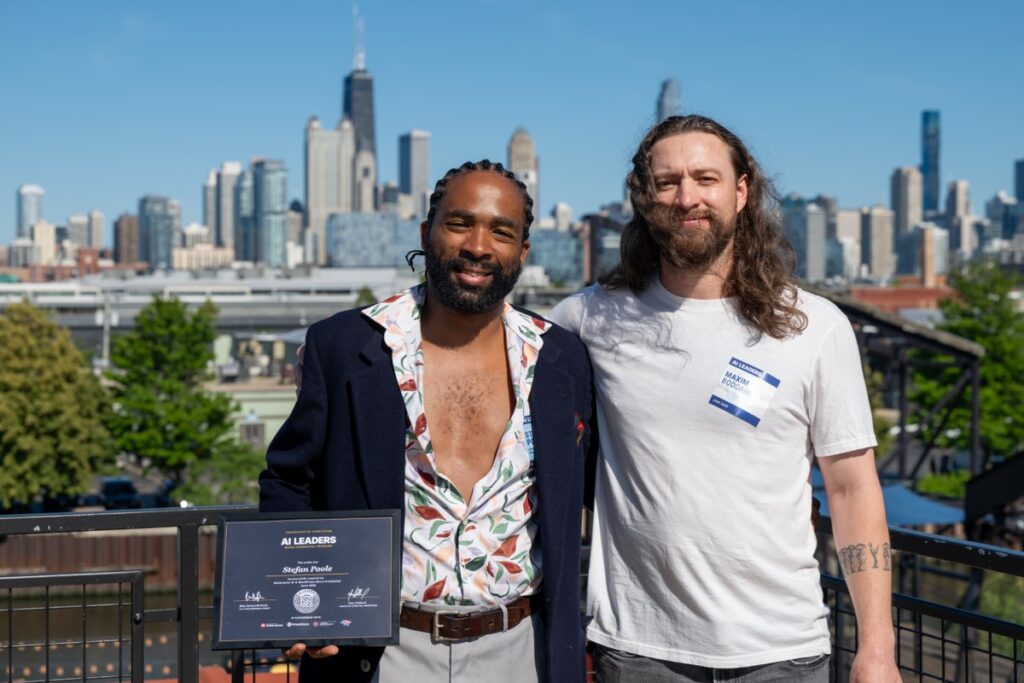
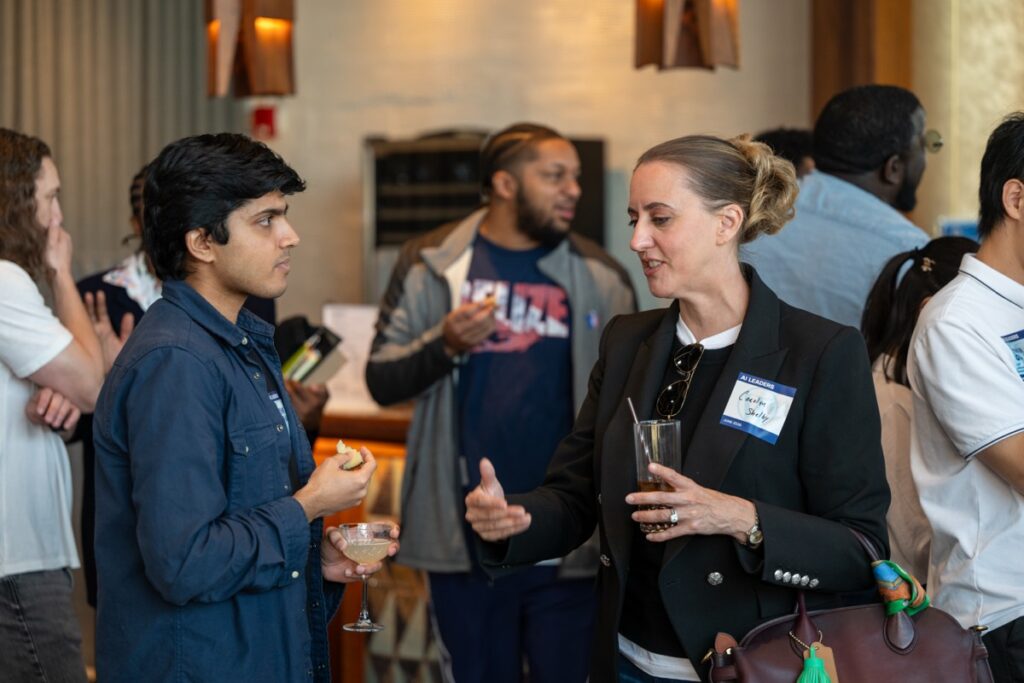
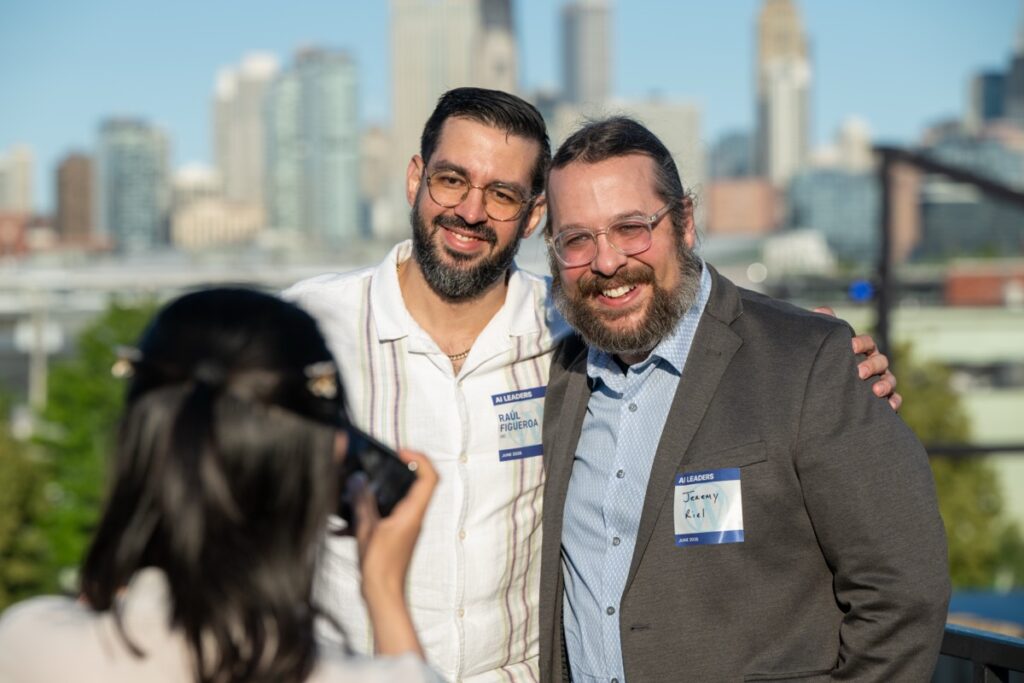
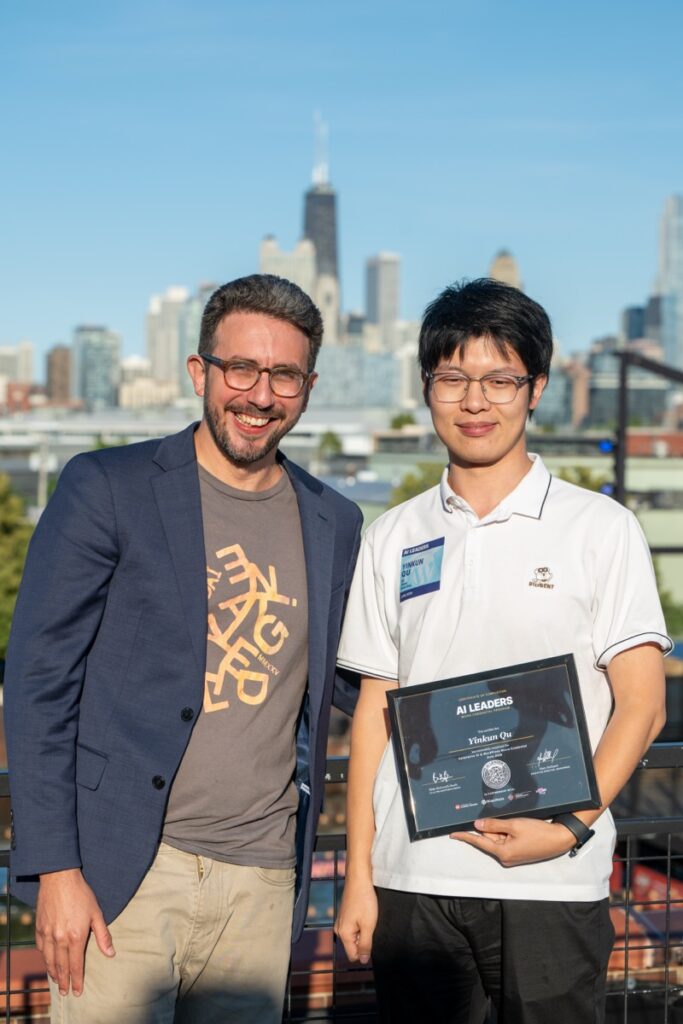
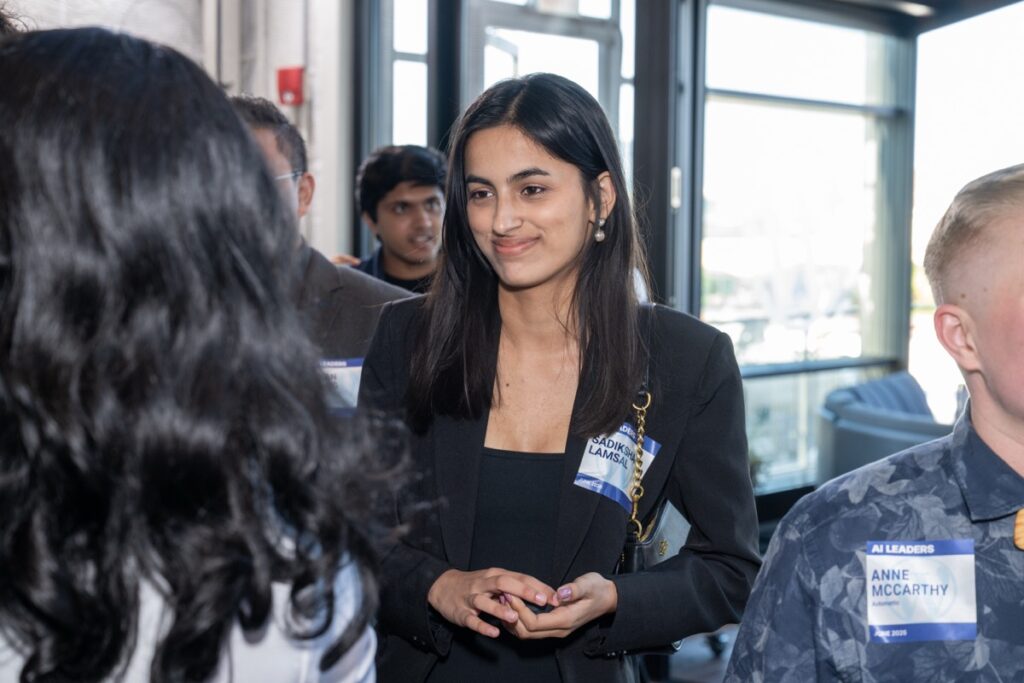
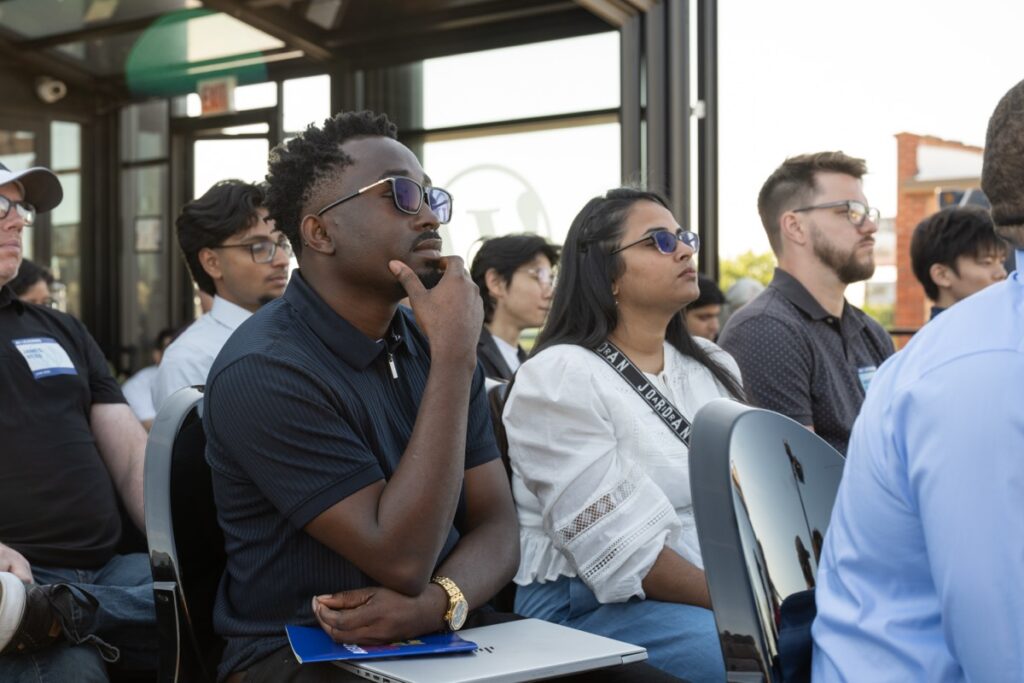
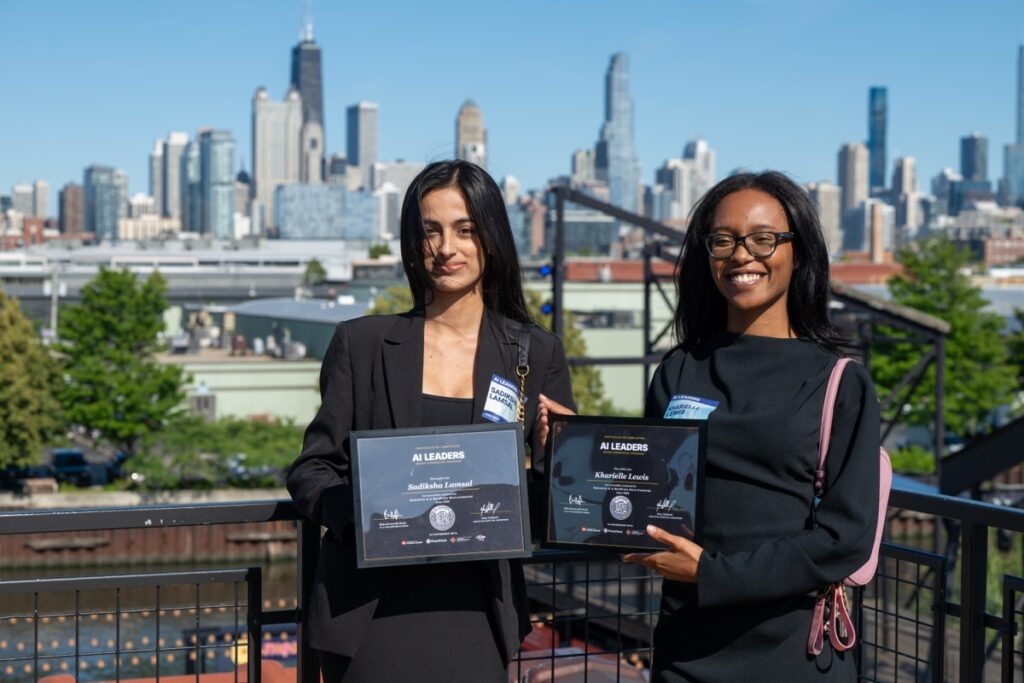
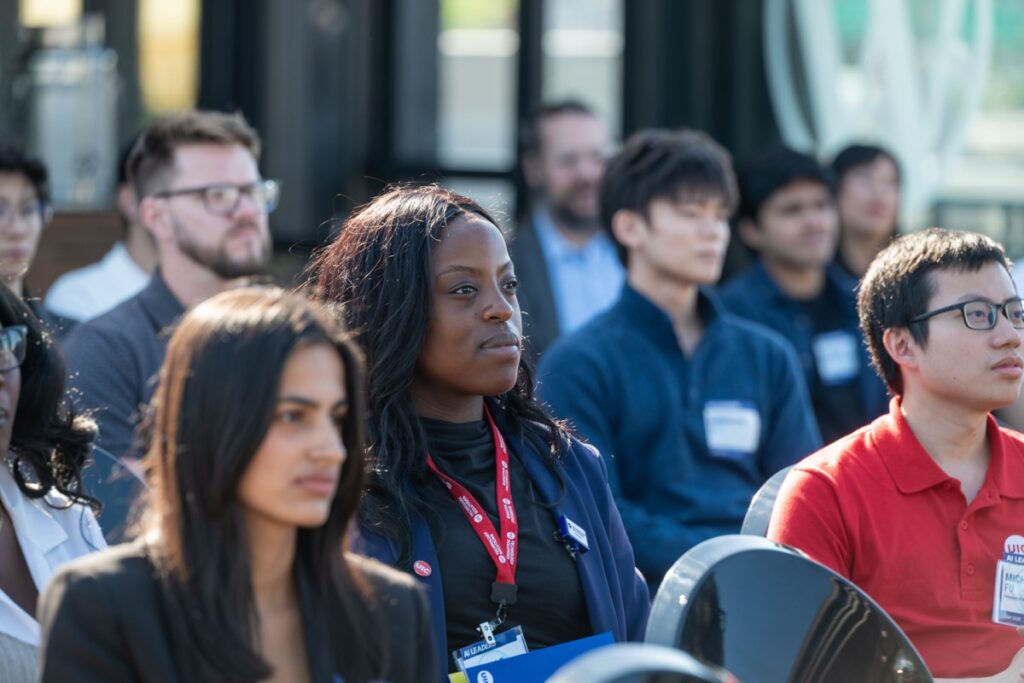
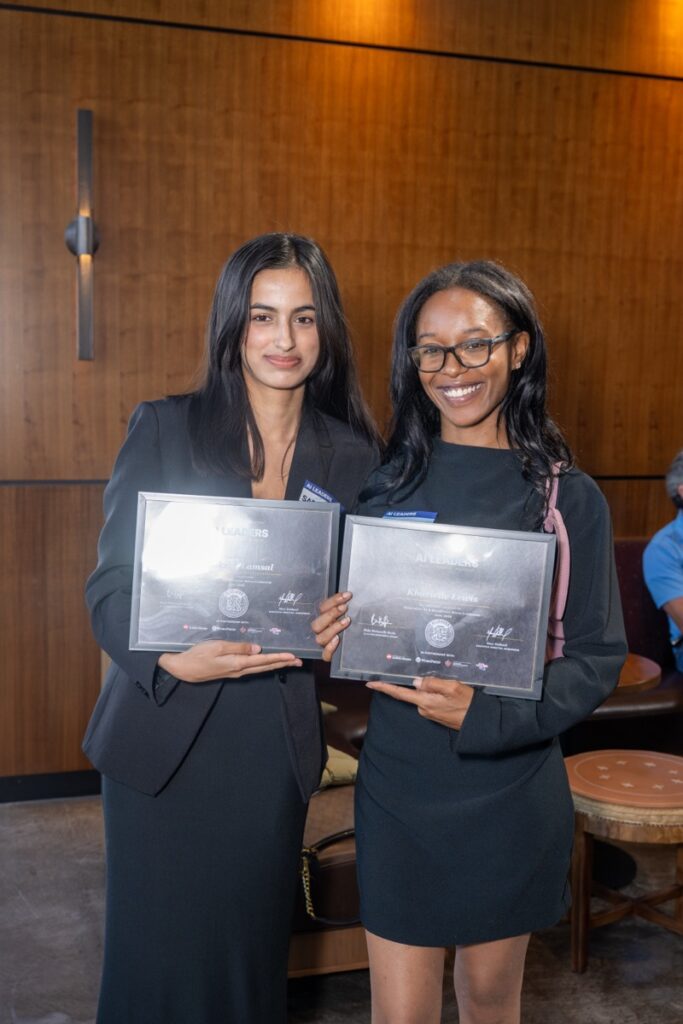
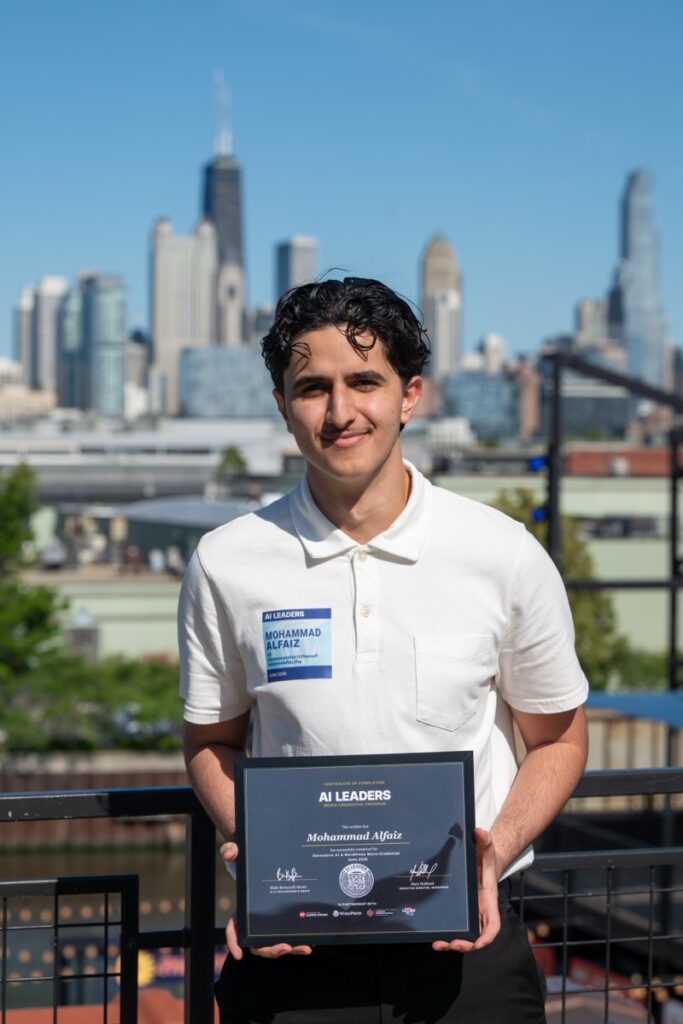
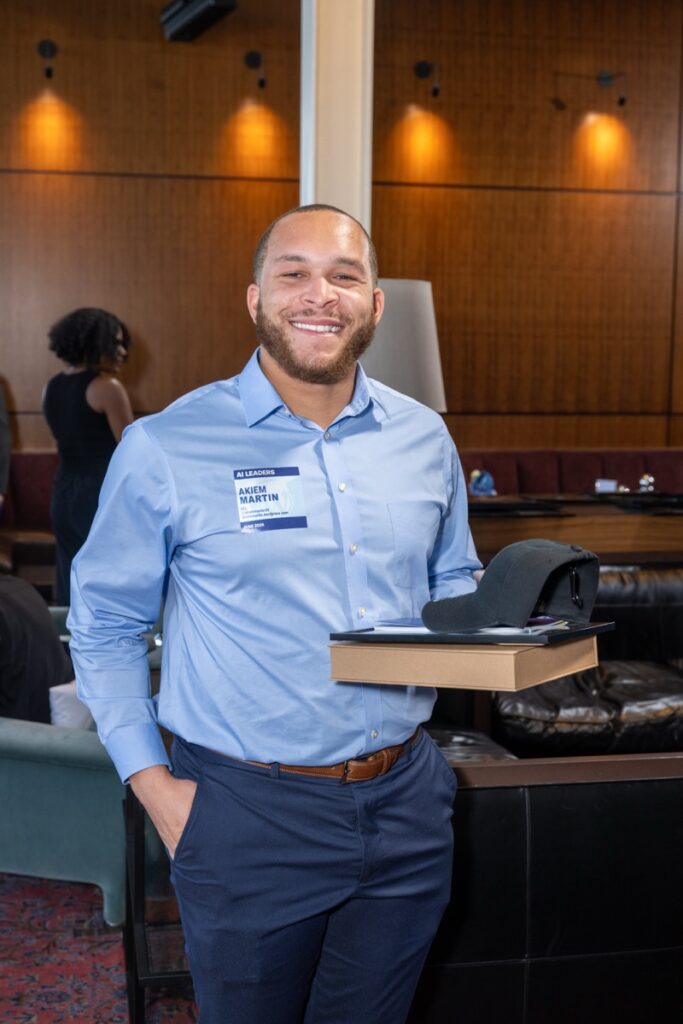
Congratulations to our first AI Leaders cohort of finalists! 36 individuals—the finalists from a cohort that started with over 500 applicants—completed a fully agentic course on AI Literacy and AI enablement, graduating together in Chicago.
This wouldn’t have been possible without our partners at Automattic, University of Illinois Chicago, Louisiana Tech University, and University of Louisiana at Lafayette.
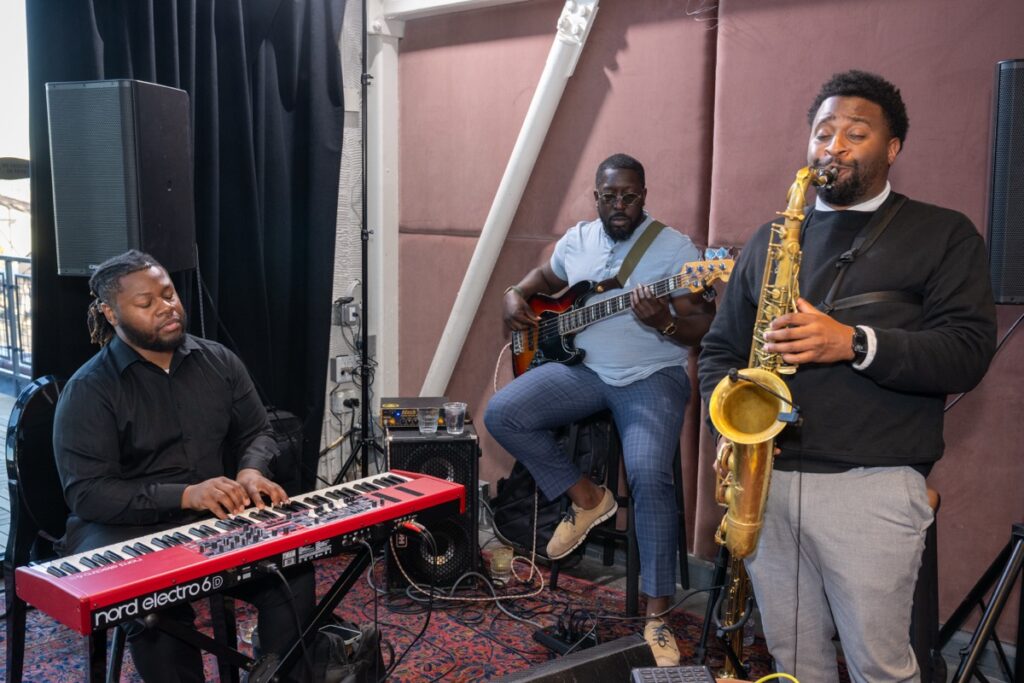
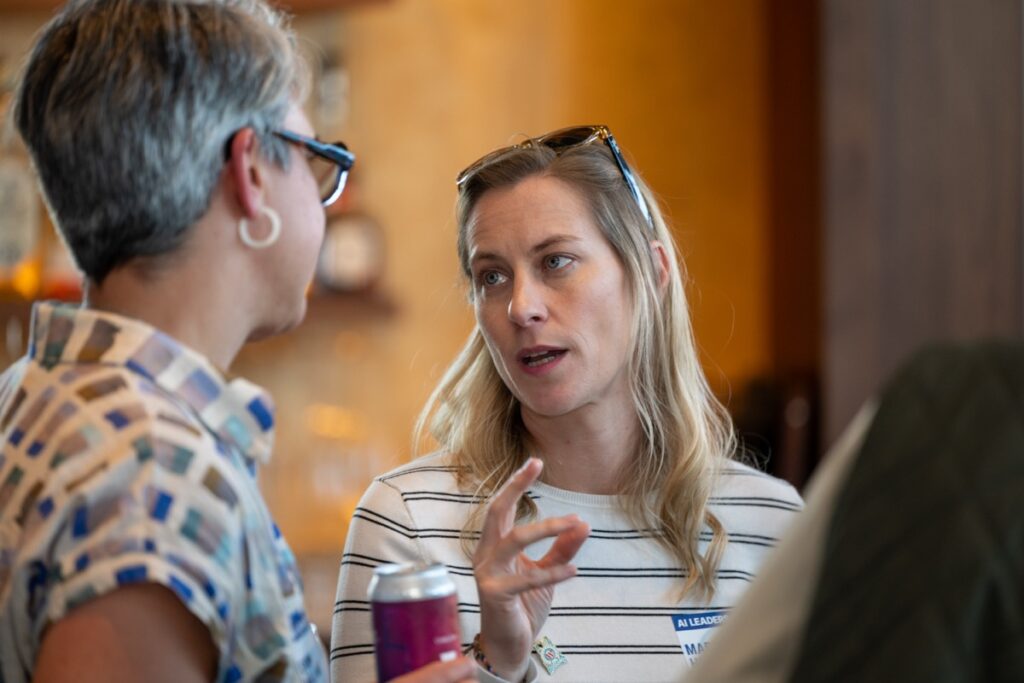
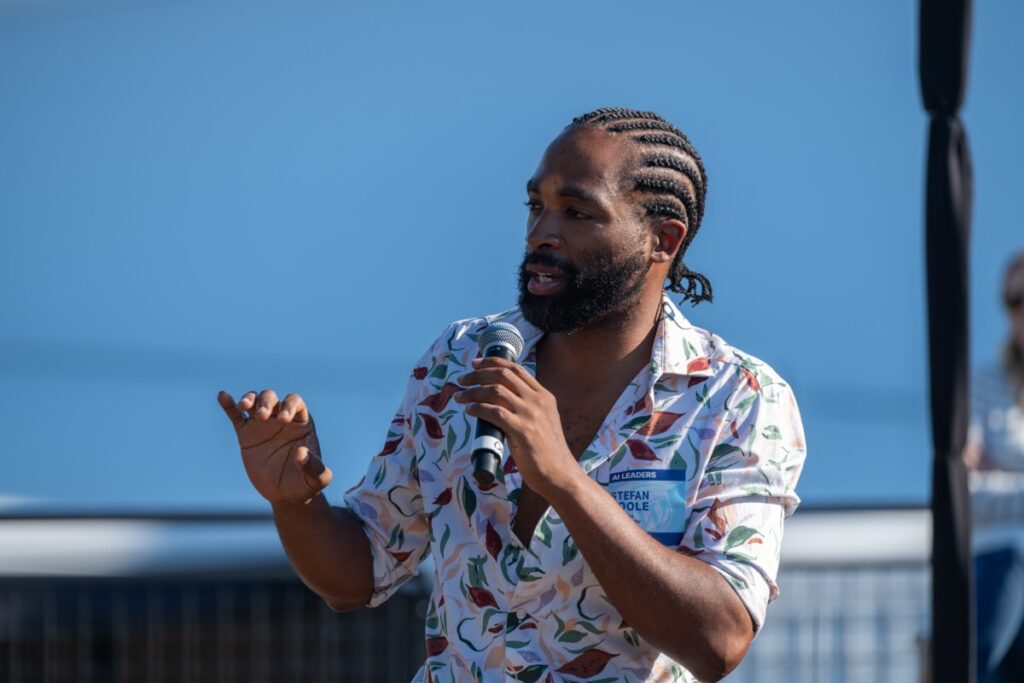
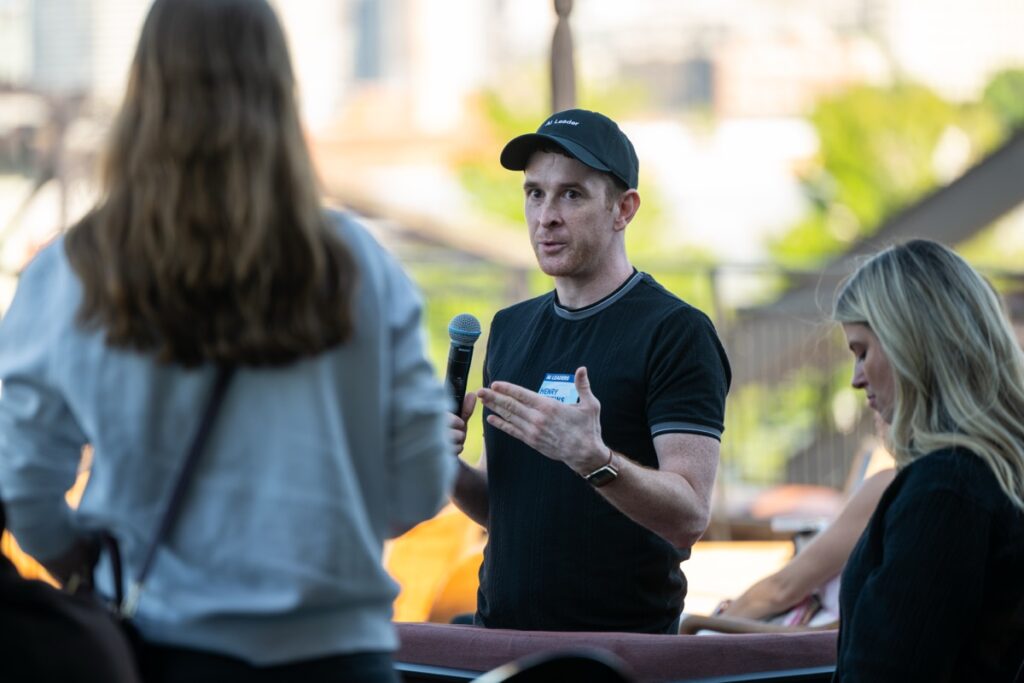
Checkout all of our finalists porfolios. Here are some party pics from the graduation Automattic put on:
Graduation is the first step, not the finish line. The real prize is living-wage jobs. We’ll be working closely with this class on that next phase.
Most conversations about economic investment start with entrepreneurship. New companies, new jobs, new disruption. It is the dominant frame in policy, philanthropy, and platform economics. Universities build incubators. Cities fund accelerators. Foundations back founder cohorts. The assumption underlying all of it is that backing entrepreneurs is how you grow an economy.
The evidence does not support that assumption. And the contrast with what the evidence does support is stark enough that it should change how serious investors think about economic development.
For the past four decades, economists have subjected workforce development programs to some of the most rigorous evaluation in social science. Randomized controlled trials — the same evidentiary standard used to approve pharmaceutical drugs — have measured the causal impact of training programs on earnings, employment, and economic mobility with precision that almost no other investment category can match.
The results are extraordinary. Year Up, a sectoral training program placing low-income young adults into corporate IT and financial services roles, produced a 30% increase in annual earnings sustained through year seven — the largest earnings gain ever documented in a high-quality workforce RCT, according to the federally sponsored PACE evaluation conducted by Abt Associates for the U.S. Department of Health and Human Services. Per Scholas, which trains unemployed adults for technology careers at a cost of approximately $8,000 per participant, reports an 8 to 1 economic return according to its own annual data, while an independent ten-year randomized trial found cumulative earnings gains of roughly $42,000 against that cost. Project Quest, a healthcare and skilled trades program in San Antonio, was found in a 14-year randomized controlled trial by the Economic Mobility Corporation to have generated $54,000 in cumulative earnings gains per participant against an average investment of $16,244 — a 234% return, with participants moving from poverty-level wages to nearly $60,000 annually by the final year of the study. The Hendren and Sprung-Keyser welfare analysis published in the Quarterly Journal of Economics, which evaluated 133 historical policy changes using a unified framework, found that the best sectoral training programs more than pay for themselves through increased tax revenue and reduced transfer payments.
Investing in Workforce Development is backed by the strongest causal evidence of any category of economic investment that I know of. Not the strongest in workforce policy. The strongest anywhere.
The same Harvard framework that rigorously evaluated 133 government policy changes contains zero incubator or accelerator evaluations. Not because researchers tried and found no effect. Because the data required to measure them was never collected.
The Kauffman Foundation, the largest private foundation dedicated to entrepreneurship research in the United States, examined more than 35 academic articles on incubators and concluded that they might not prove more effective at creating successful businesses than unincubated businesses. A 2024 study by Wharton professors Valentina Assenova and Raphael Amit, published in the Strategic Management Journal, examined data from 8,580 startups across 408 accelerators in 176 countries and found that accelerated startups were just 3.4% more likely to raise follow-on venture capital than unaccelerated ones.
Meanwhile, more than 75% of venture-backed companies never return their investors’ capital, according to Harvard Business School senior lecturer Shikhar Ghosh’s research on more than 2,000 ventures. The top 10% of VC-backed companies generate approximately 90% of all returns, according to Commonfund’s analysis of 35 years of venture data. This power law concentration is known and accepted by venture capitalists — it is their operating model. But most institutional investors in entrepreneurship are not venture capitalists. They are universities, foundations, governments, and workforce programs funding cohorts as if each founder has roughly equal odds, with no portfolio logic and no rigorous outcome measurement.
The accountability asymmetry is where this becomes a policy problem. Workforce programs funded under the federal Workforce Innovation and Opportunity Act must report against six standardized performance indicators using unemployment insurance wage records and independent administrative data. On the other hand, incubator and accelerator programs receiving equivalent public funds face no comparable requirements. Metrics are self-reported. Comparison groups are absent. Survivorship bias is endemic — programs report successful exits while failed ventures disappear from the data entirely.
We hold workforce investment to some of the highest evidentiary standards in social science and give entrepreneurship investment a complete pass on sentiment alone.
Joseph Schumpeter, the early twentieth century Austrian economist who gave us the concept of creative destruction, was right that entrepreneurship is the primary engine of long run economic growth. The evidence supports him at the macro level. And there are narrow conditions under which entrepreneurship investment is clearly the superior bet.
NYU Stern professor Sabrina Howell found, in a quasi-experimental study of the Department of Energy’s SBIR grant program published in the American Economic Review in 2017, that an early-stage grant approximately doubles a startup’s probability of attracting subsequent venture capital, with large positive effects on patenting and revenue. These effects were strongest for financially constrained firms — the mechanism was funding technology prototyping, not certifying quality. Elite accelerators with intensive mentoring components produce measurable value when the program is genuinely selective and the mentoring is substantive.
But Schumpeter’s own framework identifies the conditions under which disruption generates economic returns. The innovation has to be genuinely disruptive, not incremental. It has to create more than it destroys across the broader economy. And the economic cycle has to favor new disruption rather than the absorption of existing innovations. Most institutional investment in entrepreneurship fails all three tests. And there is no rigorous measurement infrastructure in place to know when it does and when it does not.
Workforce development does not get the headlines. It does not produce unicorns. It does not generate the cultural narrative of the scrappy founder changing the world. But it reliably raises wages for people who need higher wages, generates returns that exceed its costs, and has been proven to do so across decades of independent evaluation.
The programs that work share a common structure: they train for specific industries with documented labor shortages, they secure employer commitments before training begins, they provide wrap-around support for participants who face economic barriers, and they track outcomes rigorously over time. Year Up. Per Scholas. Project Quest. These are not experimental models. They are proven ones.
The question for any institution — foundation, university, city government, platform company, ecosystem investor — that genuinely wants to produce economic impact is whether the investment they are making meets the evidentiary bar that workforce development has already cleared. Most entrepreneurship programs do not come close. If your goal is to make society measurably better, the evidence says invest in workforce development.
Claude helped me form this article, but true credit should go to the Schumpeter chapter of The Worldly Philosophers by Robert L. Heilbroner. Heilbroner put Schumpeter into terms that made me instantly draw a dichotomy between VC and Workforce investment. Claude then helped me build an app that used Schumpeterian calculus, which led to me finding very few instances where an investor should invest in Innovation versus Workforce Development.
Here at the 11:11 Philosopher’s Group, we’ve been exploring how learning should be generative, dynamic, and accessible to everyone. With the launch of plato, our open-source, AI-powered education platform, we are moving away from the “static content” models that age like textbooks.
As we scale plato to support agentic classrooms, we must critically evaluate the instructional methods we use to power it. One of the most talked-about approaches today is microlearning—an instructional method that delivers targeted, action-oriented, bite-sized content designed to achieve specific objectives in a short timeframe.
Microlearning has incredible potential, but like any tool, it must be wielded correctly. Here is how we should—and shouldn’t—apply microlearning within the plato ecosystem.
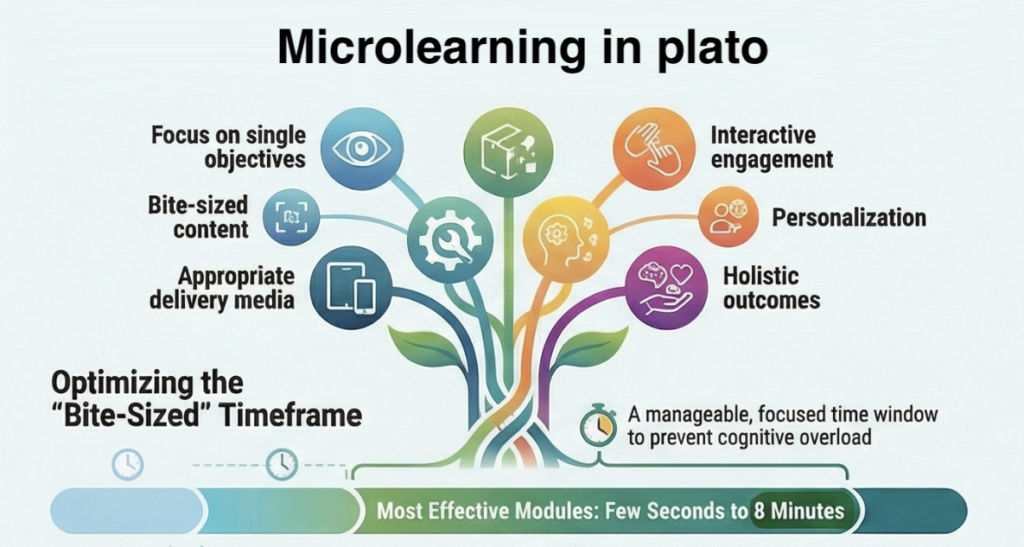
At its core, microlearning is built around managing “cognitive load”—the amount of information our working memory can hold at once. By breaking complex subjects into highly focused, multisensory, and personalized chunks, microlearning prevents learners from becoming overwhelmed. Research shows that it improves knowledge retention, boosts engagement, and increases learners’ motivation, self-efficacy, and satisfaction. It fits perfectly into modern, busy lifestyles, providing “just-in-time” learning exactly when it is needed.
However, the risk of microlearning is fragmentation. If not carefully designed, delivering isolated snippets can cause learners to lose sight of the big picture, especially if they lack the prior background knowledge needed to contextualize what they are learning.
Just as WordPress democratized website publishing, plato aims to empower learning for everyone. By thoughtfully integrating microlearning—focusing on highly adaptive, specific, bite-sized interactions while trusting plato’s AI coach to maintain the overarching narrative—we can build classrooms that are as dynamic, alive, and whole as the students themselves
Matt Mullenweg, a founder of WordPress, recently called me a “WordPresser” in his blog post. I took offense to being called a WordPresser. I am so much more than a WordPresser!
But… WordPress kickstarted my career and I probably spent more time looking at WordPress code than I have reading any other single text. 😬
So, I am a WordPresser.
And as a WordPresser, I’ll probably model the rollout of plato, my agentic classroom platform, on the evolution of WordPress.
plato will start supporting single agentic classrooms with minimal out-of-the-box customization, as WordPress started as a platform for single blogs. I’ll present our successes at global conferences – we already have hundreds of students signed up with AI Leaders!. We’ll scale to support institutions. Then…?
Every student learns in their own way. Teachers must be able to easily monitor and set goals for students’ self-guided learning.
plato will empower learning, just as WordPress democratized website publishing for everyone.
PS: I can’t end without posting a picture of my night with Matt:

We were at Snug Harbor watching Jason Marsalis. Matt was into a pop song Jason covered, while I dug a wild angry beat Jason said was addressed to executives who want to save the world. Great jazz jumps between complex rage and pop-simple perfection — dynamic, alive, whole.
With my work, I hope to reach that wholeness — what Plato called Eudaimonia.
Intellectually, I would like to live as a monk and just do for others. But I can’t. My ego, society, and family get in the way of becoming the philosopher-monk I aspire to be. And I’m glad they do. Intellect is a limited tool. If I actually want to realize the eudaimonia Plato wrote about — if I actually want to be whole and true — I have to allow complexity as well as pop perfection. Life is dynamic.
“May the road rise to meet you,” goes an old Celtic send-off.
UIC Chancellor Marie Lynn Miranda published an amazing manifesto: Higher Education Must Bridge the AI Gap.
Like she said:
“AI promises extraordinary gains in productivity and innovation, its benefits will accrue unevenly unless higher education acts decisively to broaden access, skills, and agency.”
Yes.
I plan to head her call, and hope others join us.