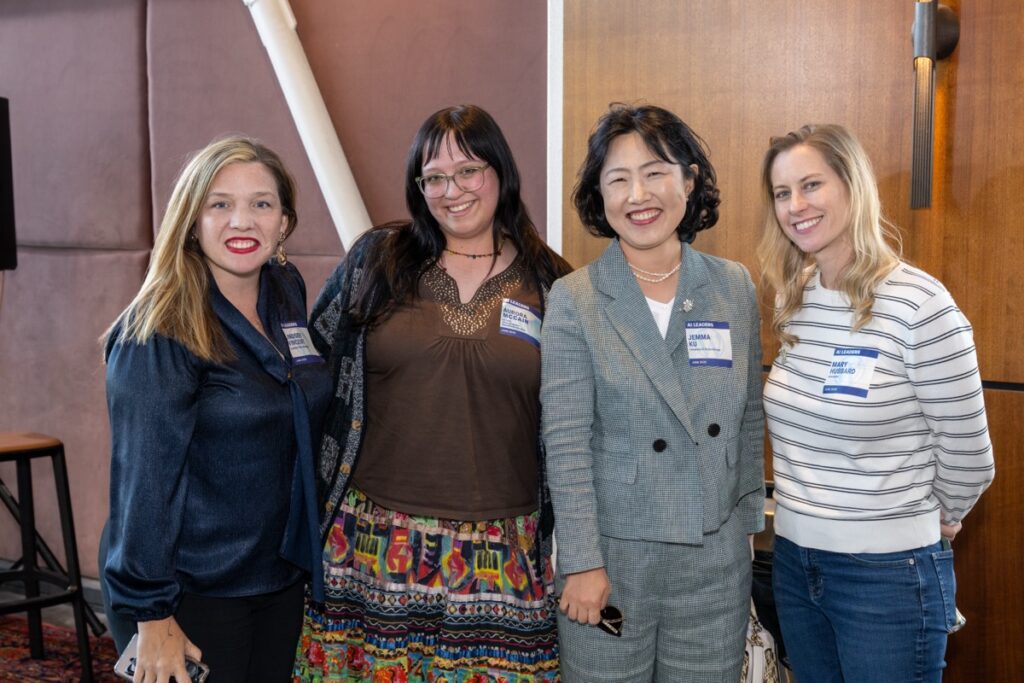
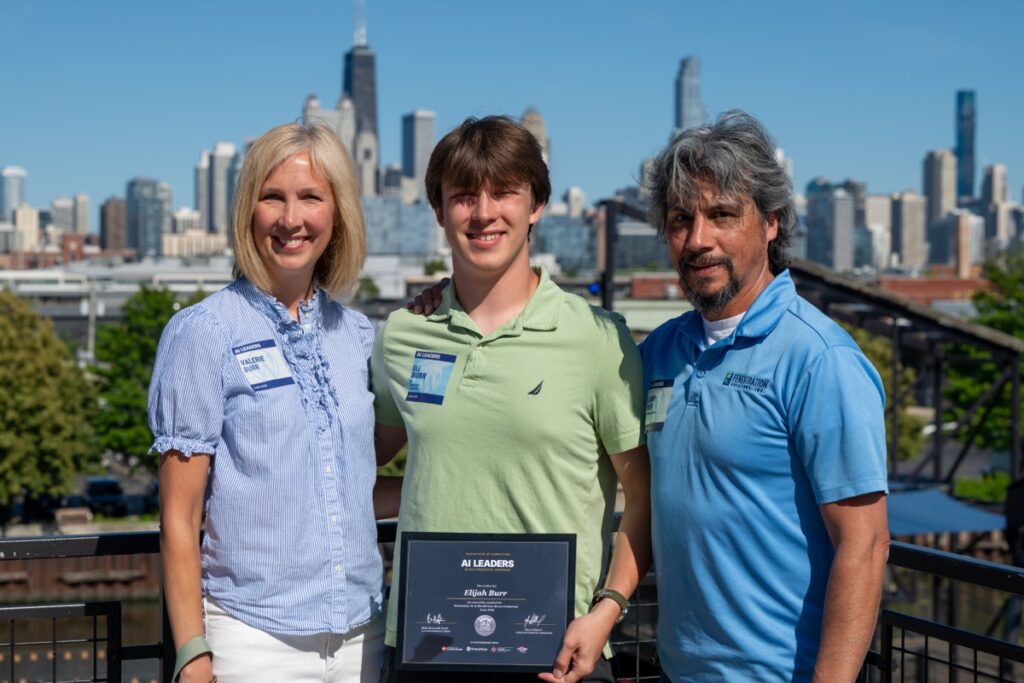
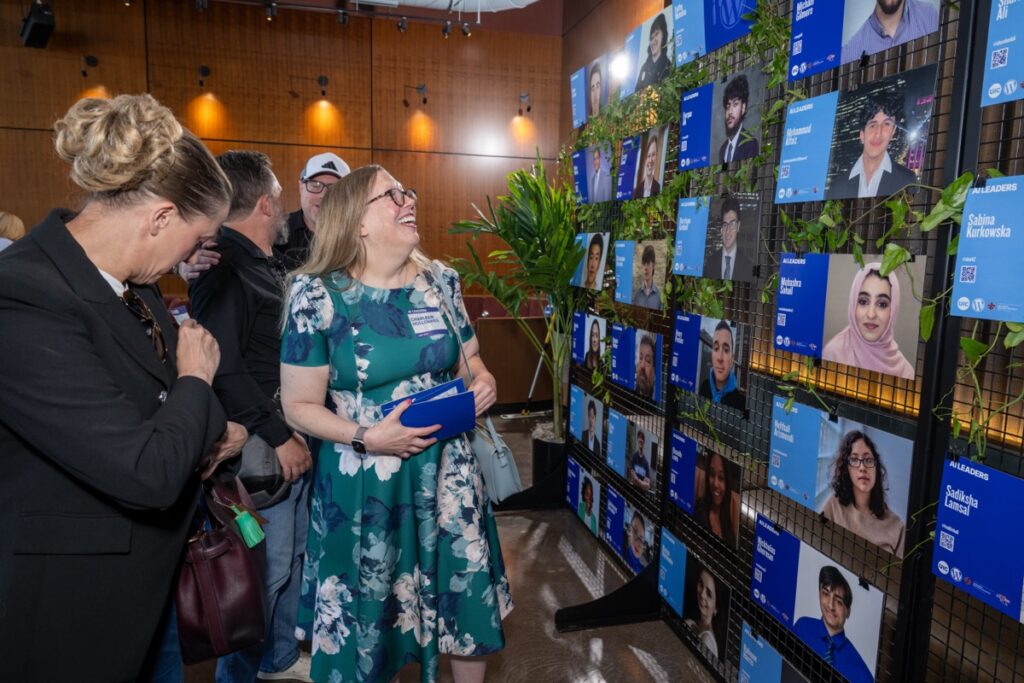
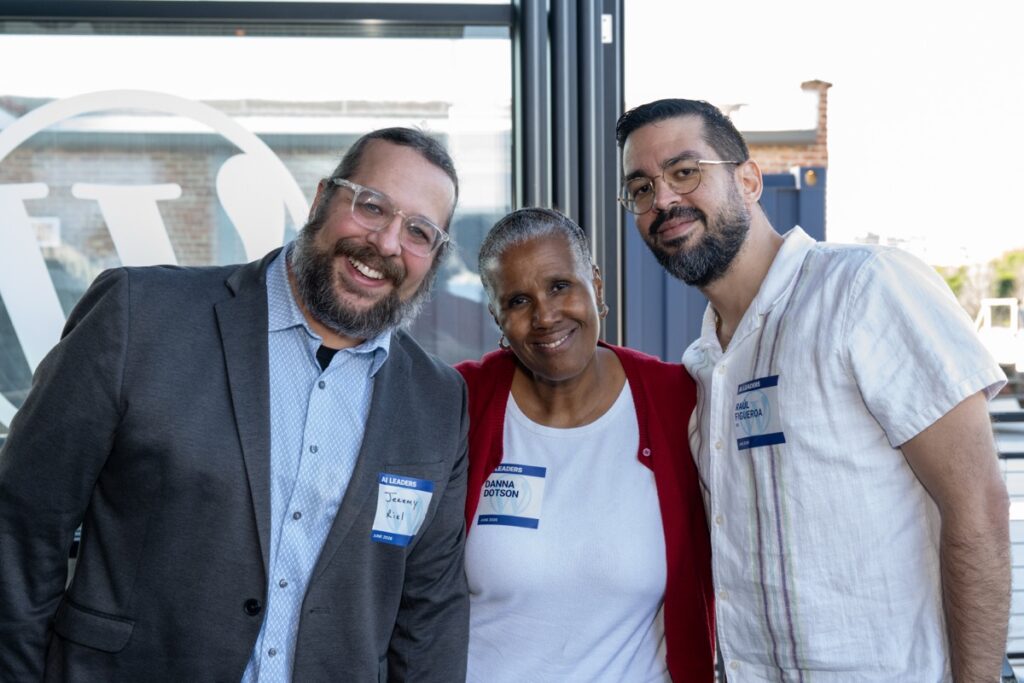
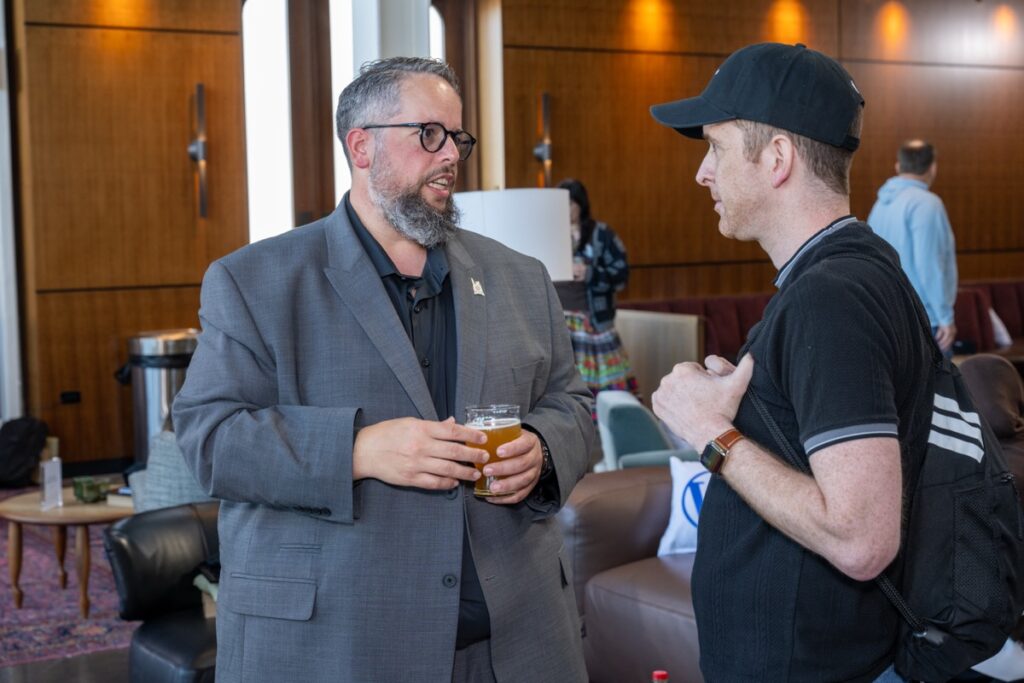
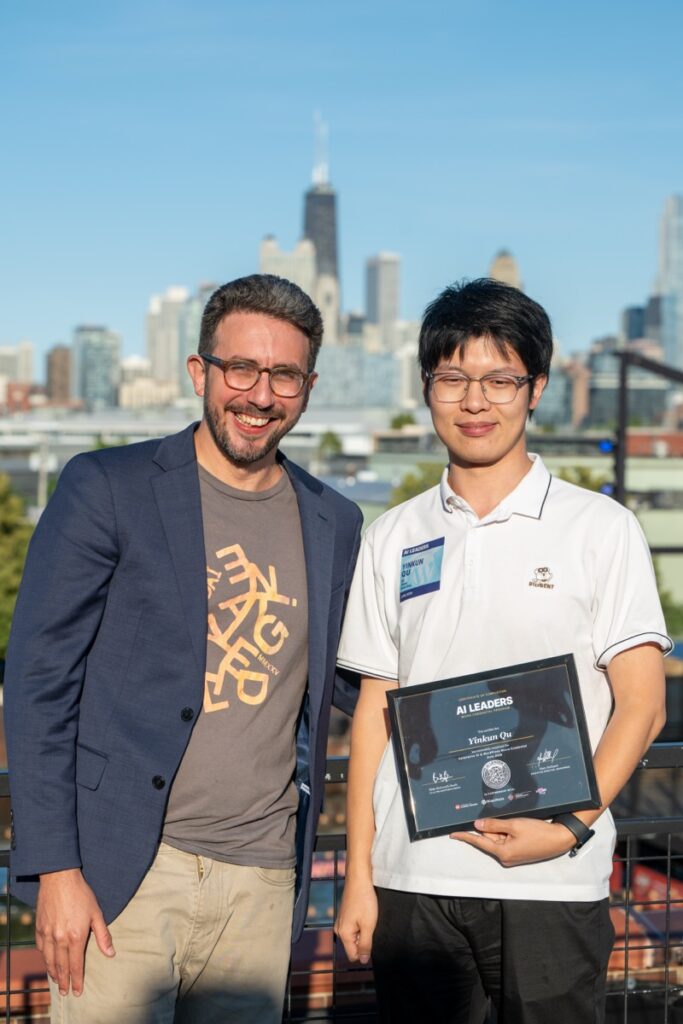
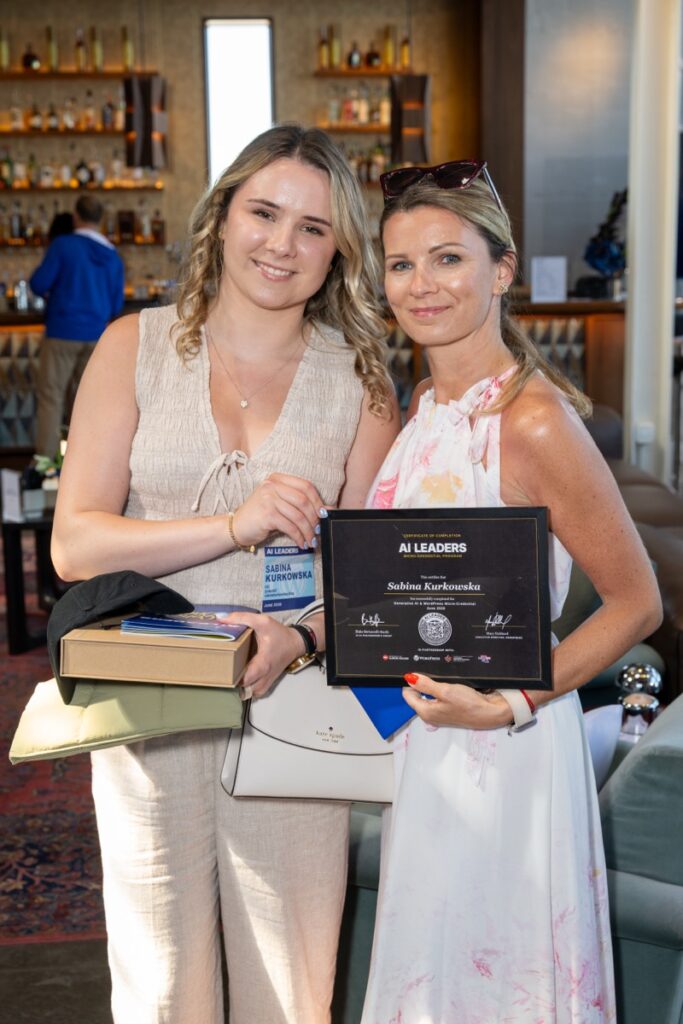
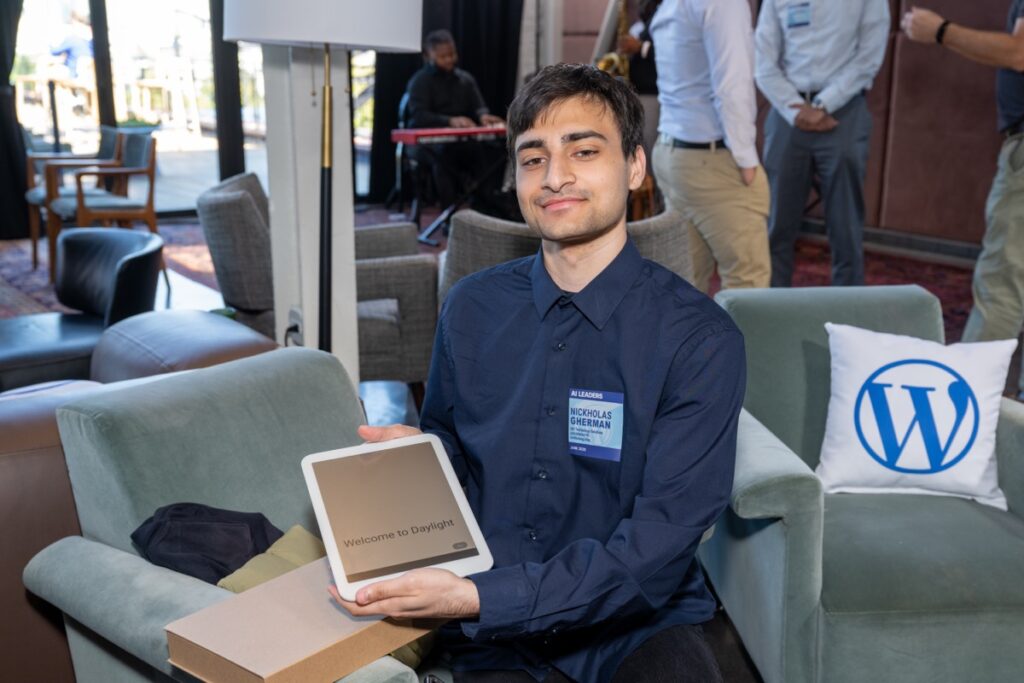
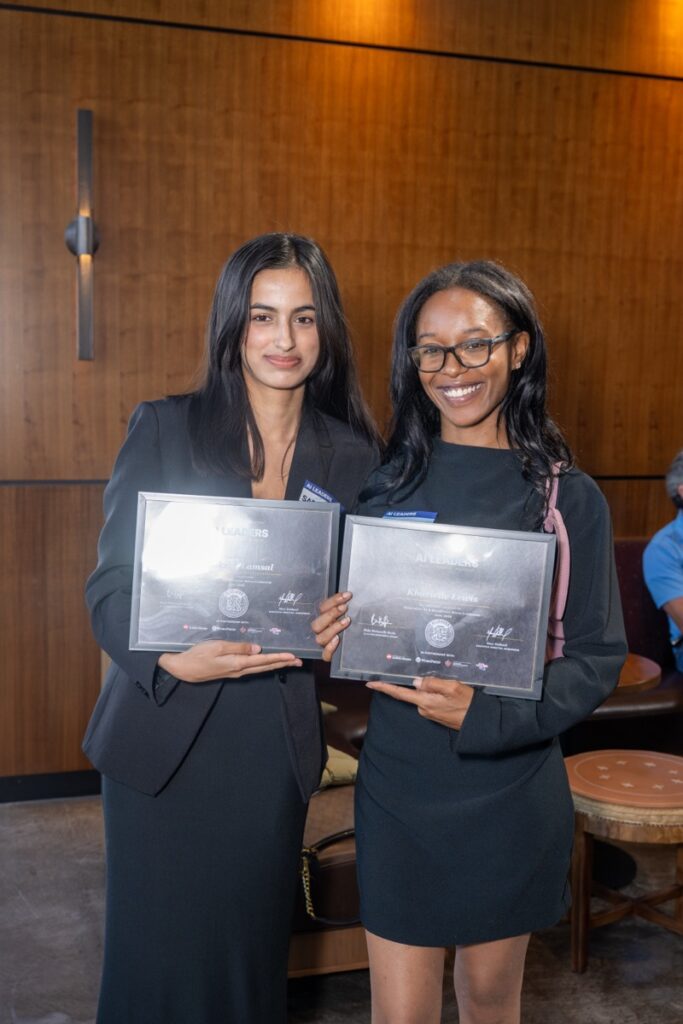
Congratulations to our first AI Leaders cohort of finalists! 36 individuals—the finalists from a cohort that started with over 500 applicants—completed a fully agentic course on AI Literacy and AI enablement, graduating together in Chicago.
Bite-Sized but Whole: Applying Microlearning in plato
Here at the 11:11 Philosopher’s Group, we’ve been exploring how learning should be generative, dynamic, and accessible to everyone. With the launch of plato, our open-source, AI-powered education platform, we are moving away from the “static content” models that age like textbooks.
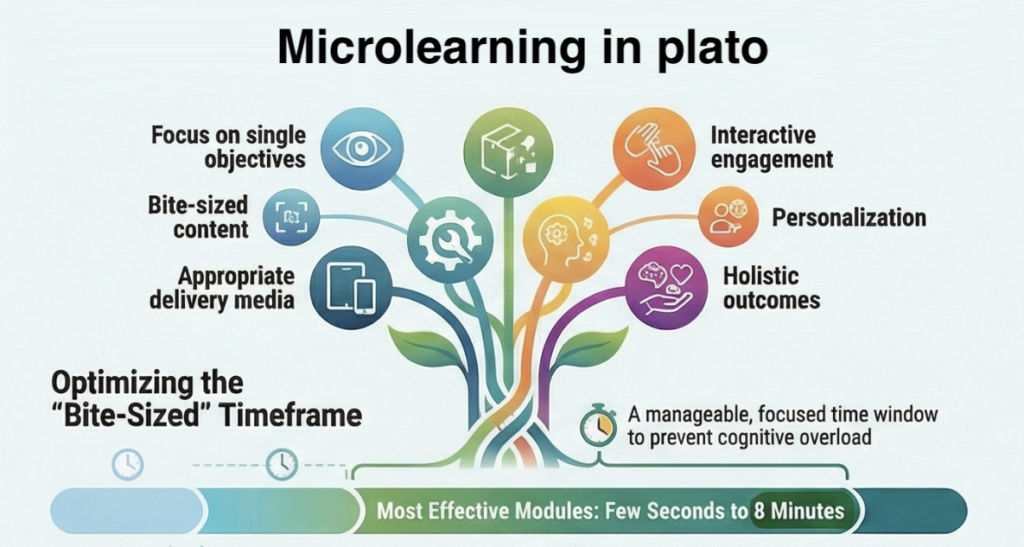
As we scale plato to support agentic classrooms, we must critically evaluate the instructional methods we use to power it. One of the most talked-about approaches today is microlearning—an instructional method that delivers targeted, action-oriented, bite-sized content designed to achieve specific objectives in a short timeframe.
Microlearning has incredible potential, but like any tool, it must be wielded correctly. Here is how we should—and shouldn’t—apply microlearning within the plato ecosystem.
The Promise of Microlearning
At its core, microlearning is built around managing “cognitive load”—the amount of information our working memory can hold at once. By breaking complex subjects into highly focused, multisensory, and personalized chunks, microlearning prevents learners from becoming overwhelmed. Research shows that it improves knowledge retention, boosts engagement, and increases learners’ motivation, self-efficacy, and satisfaction. It fits perfectly into modern, busy lifestyles, providing “just-in-time” learning exactly when it is needed.
However, the risk of microlearning is fragmentation. If not carefully designed, delivering isolated snippets can cause learners to lose sight of the big picture, especially if they lack the prior background knowledge needed to contextualize what they are learning.
How Microlearning SHOULD NOT be applied with plato:
Don’t generate static, isolated snippets: The biggest problem with traditional digital education is that it relies on static content that pushes people to single outcomes. We shouldn’t use plato to simply churn out unadaptable, disconnected “bite-sized” PDFs or videos that sit there aging.
Don’t ignore the learner’s shifting interests: A fixed curriculum of micro-lessons cannot serve everyone well. If plato is just feeding users a pre-determined sequence of short lessons without adapting to their goals, we are fundamentally misusing the platform’s generative capabilities.
Don’t lose the “wholeness”: We aim for what Plato called Eudaimonia—a dynamic, alive wholeness. Using microlearning to rigidly separate concepts without ever bridging them together betrays the complex, dynamic reality of true education.
How Microlearning SHOULD be applied with plato:
Use the AI Coach for dynamic personalization: Microlearning requires content that is tailored to individual learning styles, prior knowledge, and situational constraints. plato’s AI coach is perfectly suited for this. Because plato creates a “living curriculum,” it can dynamically generate bite-sized lessons that adapt in real-time to what the learner is actually interested in.
Focus on a single objective, guided by an exemplar: A guiding principle of effective microlearning is that every module must have one single, well-defined, action-oriented objective. In plato, the AI coach can deliver a bite-sized activity tailored to that single objective and instantly assess the learner’s work. If the learner struggles, the coach doesn’t overwhelm them with a textbook; it offers targeted questions to guide them step-by-step toward the course exemplar.
Weave the micro into the macro: plato can solve microlearning’s “fragmentation” problem. While the learner interacts with easily digestible, bite-sized tasks, plato’s underlying system ensures that every short burst of learning is seamlessly strung together. The system tracks the overarching goals set by the educator, ensuring that the micro-lessons accumulate into a cohesive understanding of complex topics.
Just as WordPress democratized website publishing, plato aims to empower learning for everyone. By thoughtfully integrating microlearning—focusing on highly adaptive, specific, bite-sized interactions while trusting plato’s AI coach to maintain the overarching narrative—we can build classrooms that are as dynamic, alive, and whole as the students themselves
Matt Mullenweg, a founder of WordPress, recently called me a “WordPresser” in his blog post. I took offense to being called a WordPresser. I am so much more than a WordPresser!
But… WordPress kickstarted my career and I probably spent more time looking at WordPress code than I have reading any other single text. 😬
So, I am a WordPresser.
And as a WordPresser, I’ll probably model the rollout of plato, my agentic classroom platform, on the evolution of WordPress.
plato will start supporting single agentic classrooms with minimal out-of-the-box customization, as WordPress started as a platform for single blogs. I’ll present our successes at global conferences – we already have hundreds of students signed up with AI Leaders!. We’ll scale to support institutions. Then…?
Every student learns in their own way. Teachers must be able to easily monitor and set goals for students’ self-guided learning.
plato will empower learning, just as WordPress democratized website publishing for everyone.
PS: I can’t end without posting a picture of my night with Matt:
Matt and I in New Orleans.
We were at Snug Harbor watching Jason Marsalis. Matt was into a pop song Jason covered, while I dug a wild angry beat Jason said was addressed to executives who want to save the world. Great jazz jumps between complex rage and pop-simple perfection — dynamic, alive, whole.
With my work, I hope to reach that wholeness — what Plato called Eudaimonia.
Intellectually, I would like to live as a monk and just do for others. But I can’t. My ego, society, and family get in the way of becoming the philosopher-monk I aspire to be. And I’m glad they do. Intellect is a limited tool. If I actually want to realize the eudaimonia Plato wrote about — if I actually want to be whole and true — I have to allow complexity as well as pop perfection. Life is dynamic.
“May the road rise to meet you,” goes an old Celtic send-off.
Plato’s Academy began as a highly selective boys’ club. Education has thankfully become more accessible. But we have a lot of work to do. My latest project, plato, aims to give more people access to dynamic learning opportunities.
The Backstory
In 1959, a computer science professor at the University of Illinois Urbana-Champaign built the first computerized tutor. By programming literacy lessons, the professor aimed to make more people literate.
The computer was called PLATO — Programmed Logic for Automatic Teaching Operations. PLATO introduced touchscreens, online forums, multiplayer games, and instant messaging. More importantly, much online learning can be rooted in PLATO.
PLATO found success building static content programs that pushed people to single outcomes. But static content needs to be constantly updated.
This year, I have been building AI Leaders, an AI Literacy course built to give people real, living-wage skills.
While I’ve been building it, something has bothered me.
AI is not a static subject. It changes week to week. Models improve. New tools emerge. Topics that mattered six months ago are already outdated. And yet most online courses work like textbooks. You write the content, you publish it, and it sits there aging.
That is the wrong model for teaching AI.
I also noticed that student interests shift. Some people hope to unlock creative passions. Others just care about getting jobs. A single fixed curriculum cannot serve eveyone well.
So a team of educators, technologists, and I started exploring: what would a classroom look like if it actually adapted – to the subject, to the student, and to the moment?
A Generative Education Platform
From Khanmigo to Magic School, I’ve worked with a lot of AI-powered platforms. All those platforms were too rigid, too expensive, or built on assumptions that made sense for static content but broke down for something as dynamic as AI literacy.
So, I built a truly generative platform from scratch.
Enter “plato.”
The platform lives at github.com/1111philo/plato and it is Open Source, meaning anyone can use or update it.
Working with other 11:11 Philosophers I explored the idea that learning should be generative, not static. plato uses AI to create and adapt course content based on what is happening in the field and what individual learners are actually interested in. Instead of a fixed syllabus, there is a living curriculum. Instead of a single path, there are paths shaped by each learner’s goals and prior knowledge.
At the center of plato is a learning loop, rooted in Learning Sciences. The learner is given activities by an AI coach, who constantly assesses their work as they move to a course exemplar. If the learner doesn’t grasp a concept, the coach offers questions that moves them closer to the exemplar.
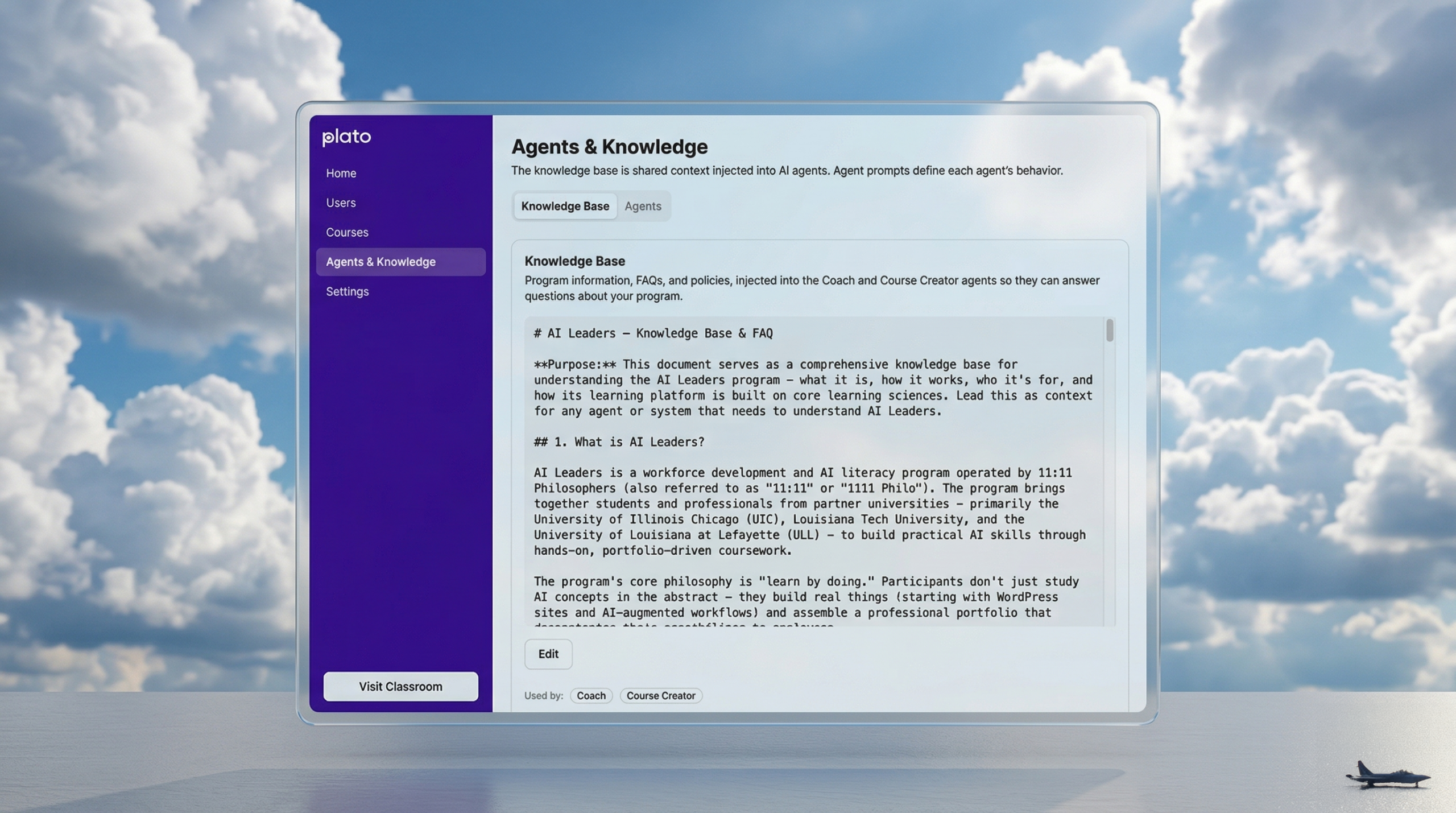
Educators can constantly tune the system by changing agent prompts, updating a knowledge base, or creating new courses. Each learner gets a little different experience, but the system makes sure every student reaches the Educator’s end goal.
plato’s Moment
PLATO — the original one — showed up sixty years too early. The hardware was not ready. The networks were not there. The culture had not caught up.
Now, I’m betting that AI can help us scale education to a whole new generation of learners.
If you are a developer, an educator, or someone who cares about what learning looks like in the next decade, I would love for you to take a look at the repository or get in touch with me.