• UIC’s Open Source Fund: A Model for Efficient Public Benefit

    Universities are one of the few places where you can think broadly before you’re forced to think narrowly.

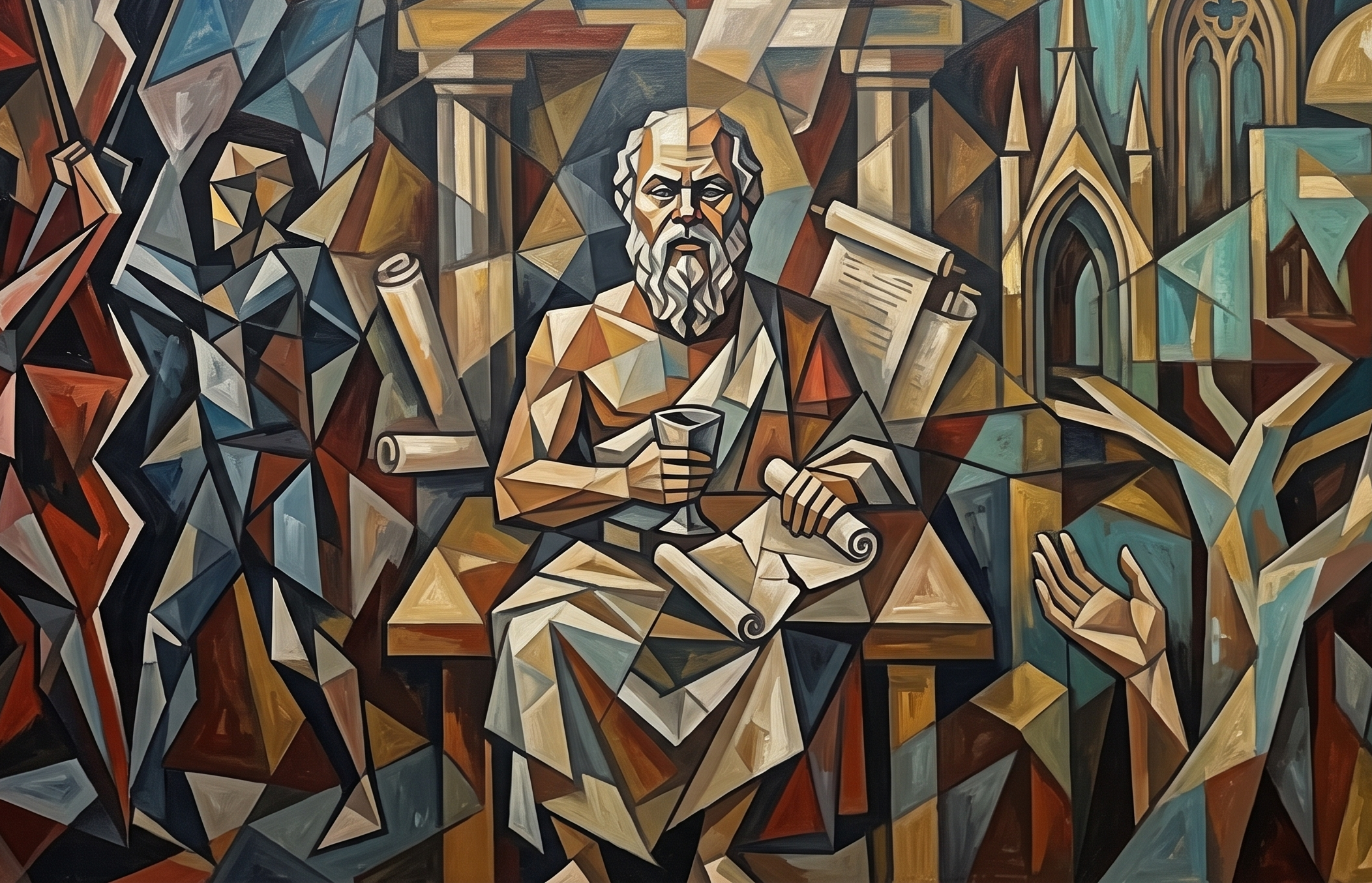
    At Tulane, my alma mater, I memorized classics, wrote poetry, and debated philosophy. That didn’t just round out my understanding of the world; it gave me a lasting drive to put ideas into action and to do work with real consequences.

    After university, I had a hunger to be practical. I went from reading Plato to building thousands of websites and supporting hundreds of clients. While I was making money, I was also learning how organizations actually operate. Much of that work was for universities, politicians, and nonprofits, which pulled me deeper into public-interest systems.

    By 33, I had reached financial stability and understood how many organizations operated. I took a gap year to read and write freely again.

    This led to Equalify. The company focused on helping people with disabilities use the internet. I also had a sneaky suspicion that the company would bring me back to universities because universities must comply with accessibility standards more than other industries.

    Last year, Equalify became part of the University of Illinois Chicago. I didn’t pursue that transition just as a “win.” I chose it because I believe in UIC’s mission: to provide the broadest access to the highest levels of educational, research, and clinical excellence. UIC is built on the idea that access and excellence belong together. That is a mission worth defending in a moment when universities are routinely questioned, constrained, and attacked.

    I’m not claiming to solve every challenge in higher education. But I can point to one lever I know a bit about: university IT spending. As overhead and tuition pressures grow, we can either keep sending more money to private equity firms that build closed tools or invest those dollars in open work that lowers costs for UIC and creates public benefit.

    The problem: universities are often forced into vendor relationships that inflate costs. Vendors are acquired by private equity firms that prioritize profit maximization, leading to escalating prices and unnecessary complexity.

    My solution: Open Source. By building and maintaining Open Source tech solutions, we can escape the cycle of profit-focused vendors inflating tech budgets.

    For example, after witnessing the high costs for accessibility dashboards, I built a comparable system in three months. This is where the UIC Technology Solutions Open Source Fund (UIC-OSF) comes in.

    UIC-OSF redirects a portion of the university’s existing tech budget (spent on vendors) into Open Source projects that UIC can use and improve, while also generating value for donors and the broader public. The result: Lower costs, fewer forced renewals, and a move toward more sustainable, reusable IT infrastructure.

    UIC-OSF’s Model

    Universities spend millions each year on external software and services. UIC-OSF starts with a simple reallocation: redirect a portion of that existing vendor spend into Open Source projects that UIC can use, improve, and share.

    Every project funded by UIC-OSF must:

    1. Align with UIC Priorities to ensure we’re meeting student/benefactor interests.
    2. Have outside donors – UIC must share program costs with others, if the project is going to be sustainable. (UIC must eventually spend less than the cost of vendor solutions.)
    3. Benefit the public – all projects must be open, reusable, and accessible. (Read about The Four Freedoms of Open Source.)

    All projects are designed to be sustainable without requiring the university to take a “cut” from the budget, thereby keeping costs lower in the long run. Donors contribute directly to the success of these projects, and public adoption of these tools can create broad, long-lasting value.

    Current UIC-OSF Projects

    UIC-OSF is currently focused on initiatives in AI Literacy and Web Accessibility, directly supporting UIC’s mission while creating value through Open Source solutions.

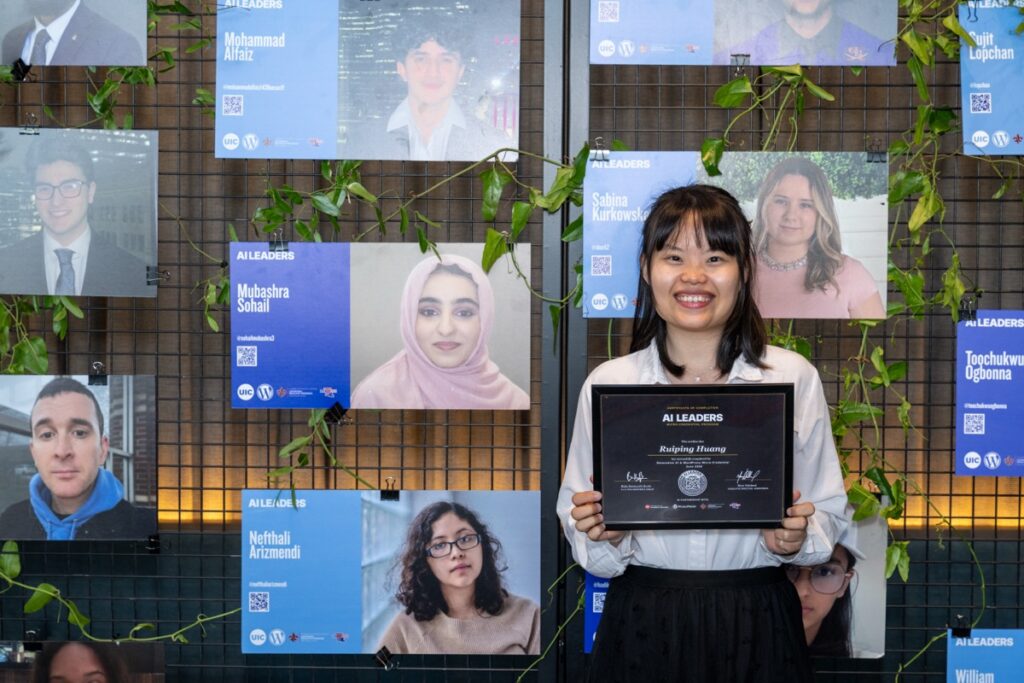
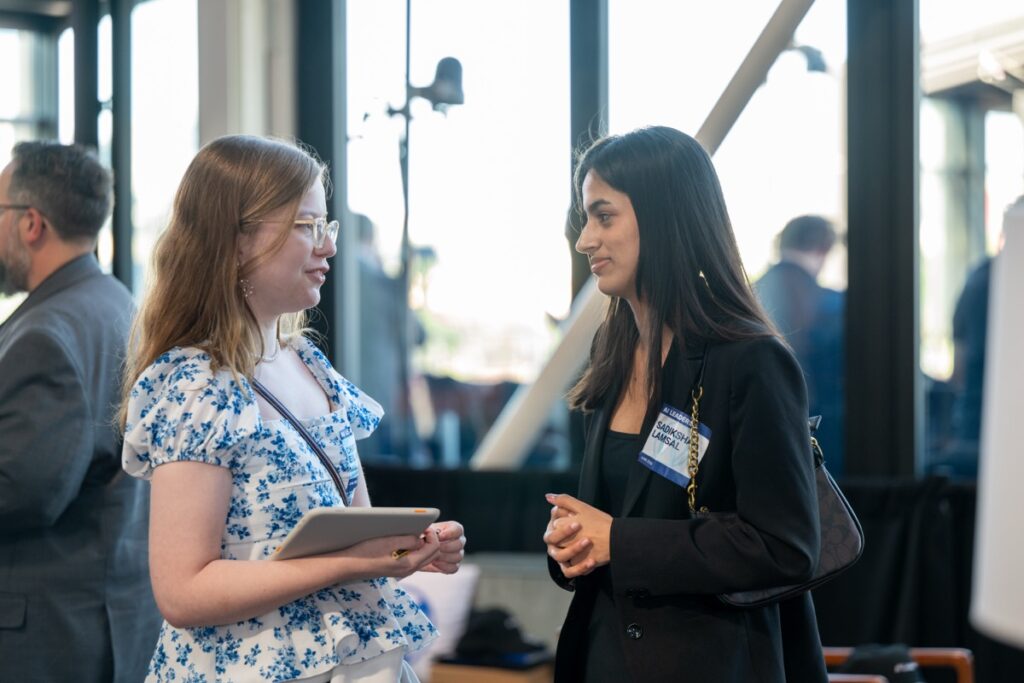
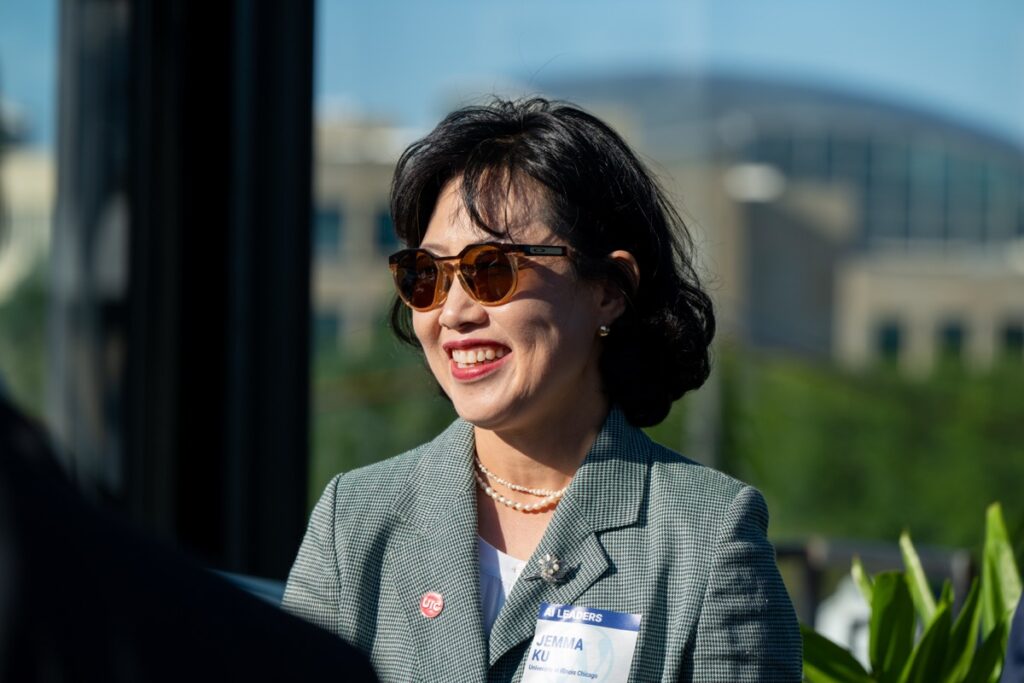
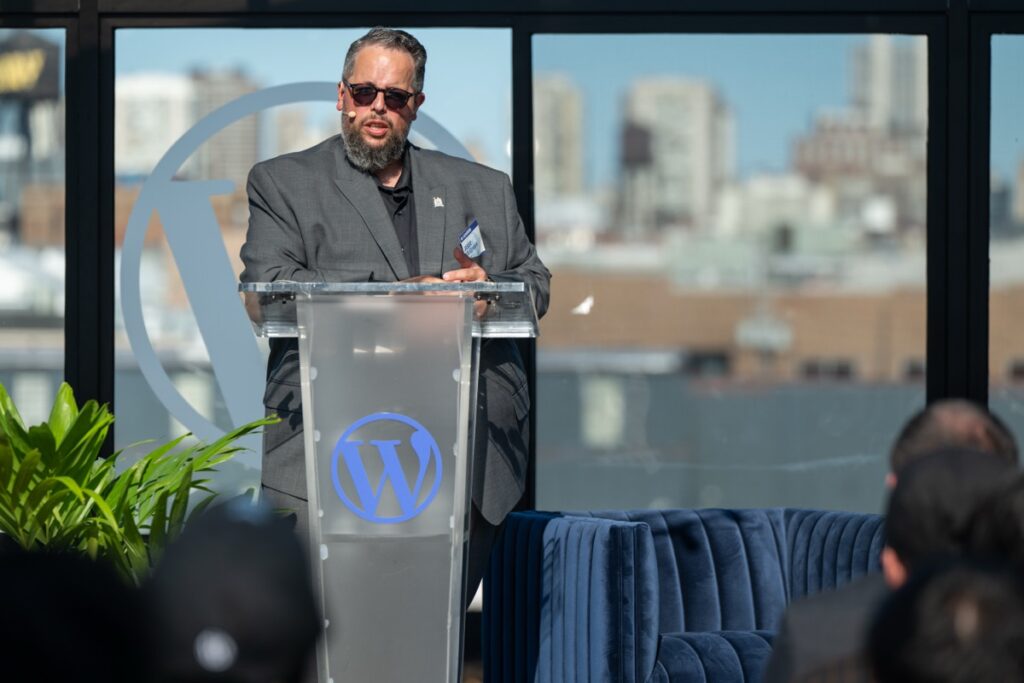
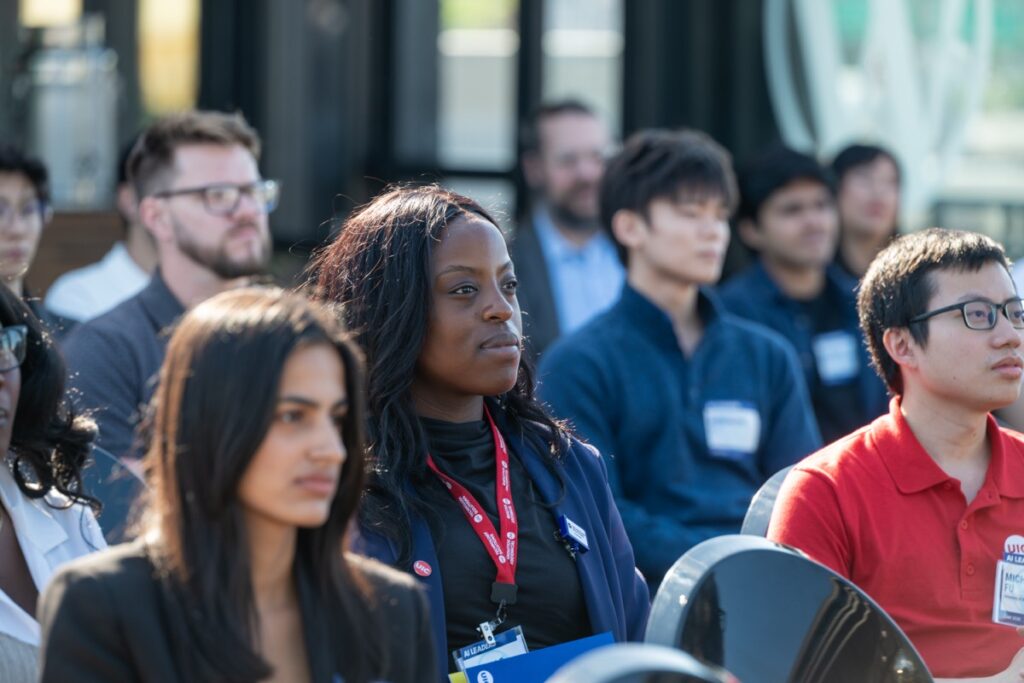
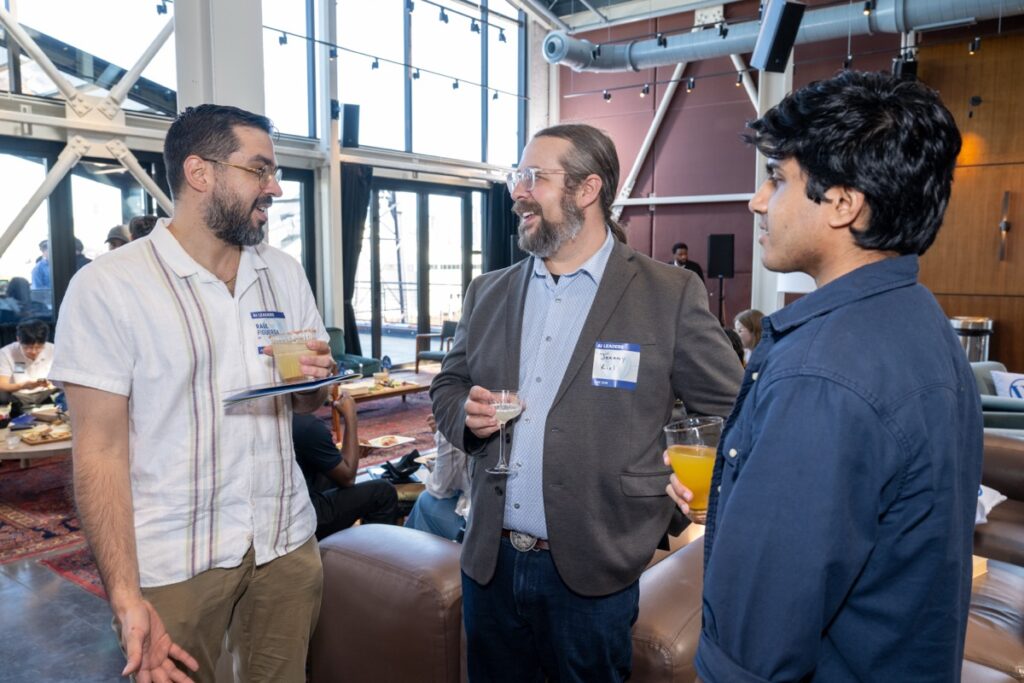
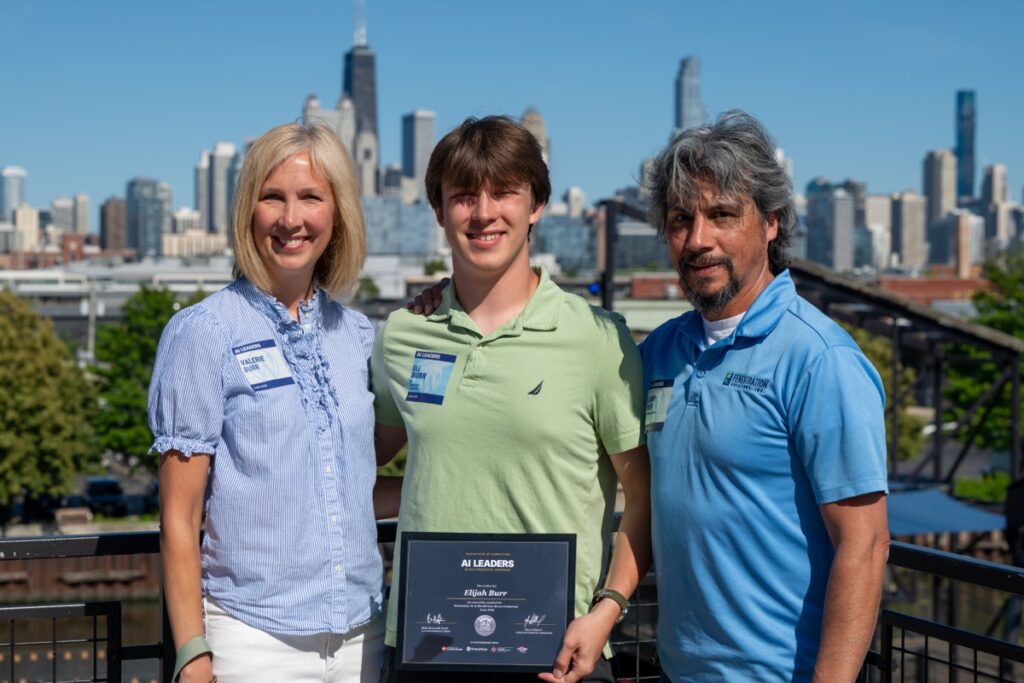
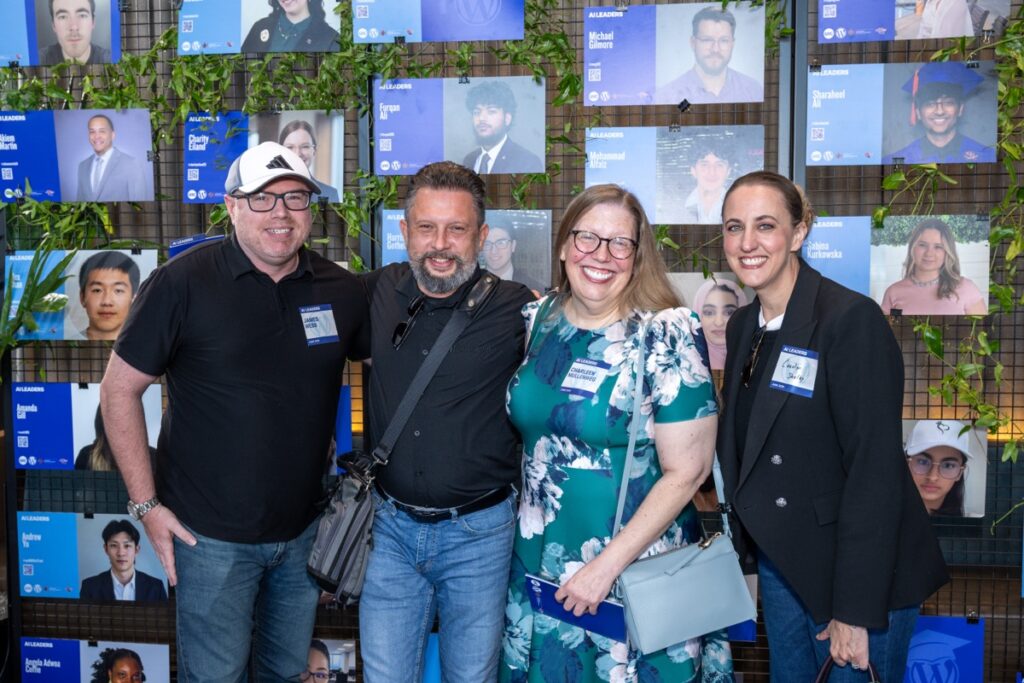
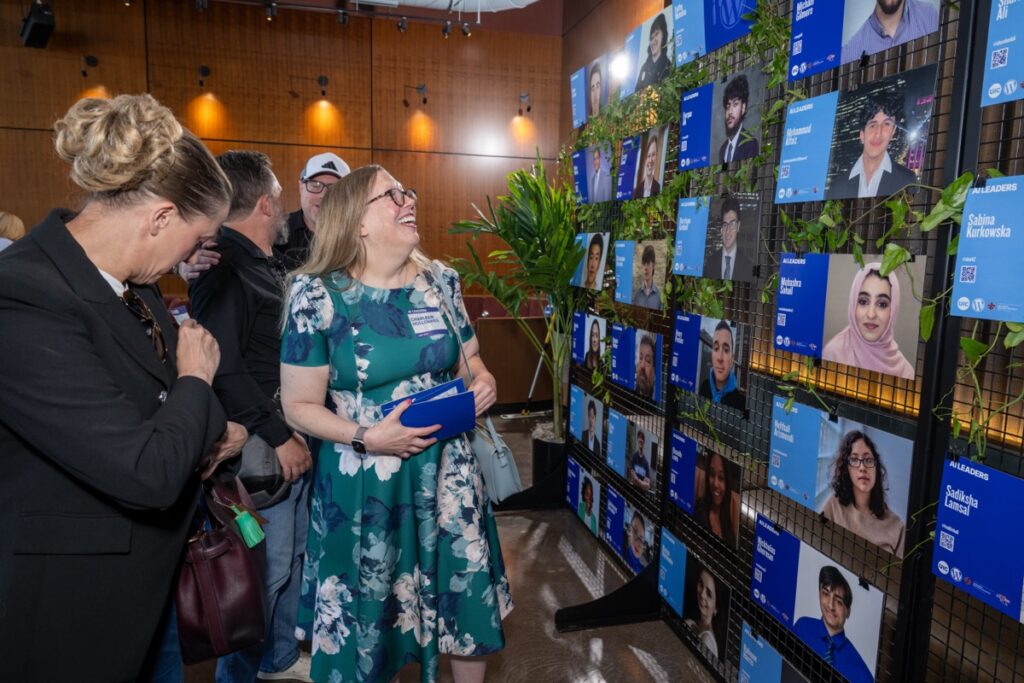
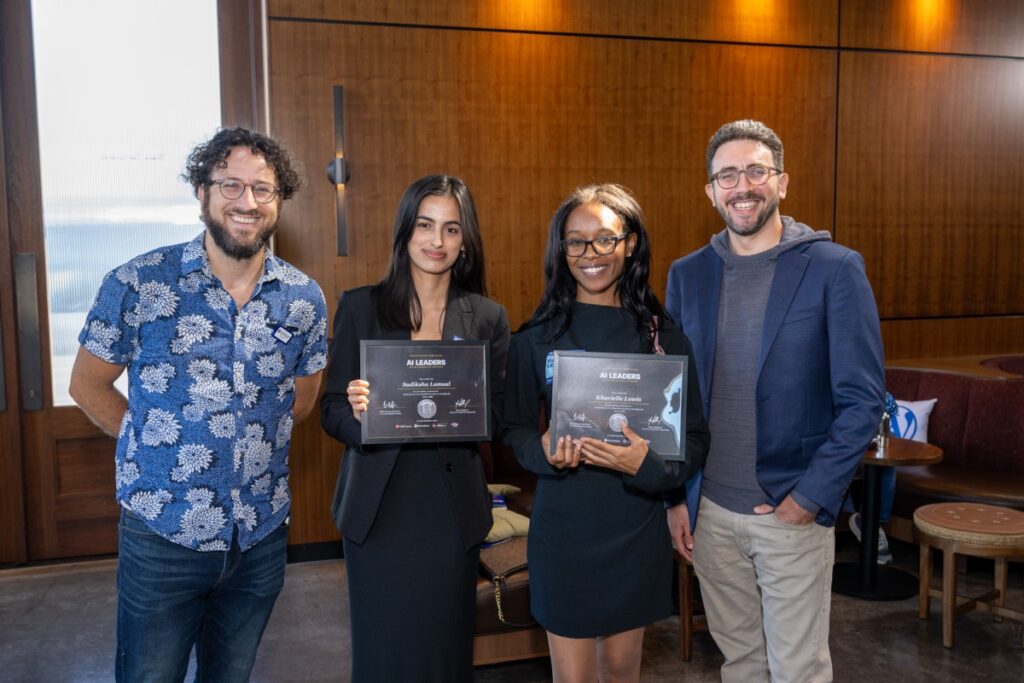
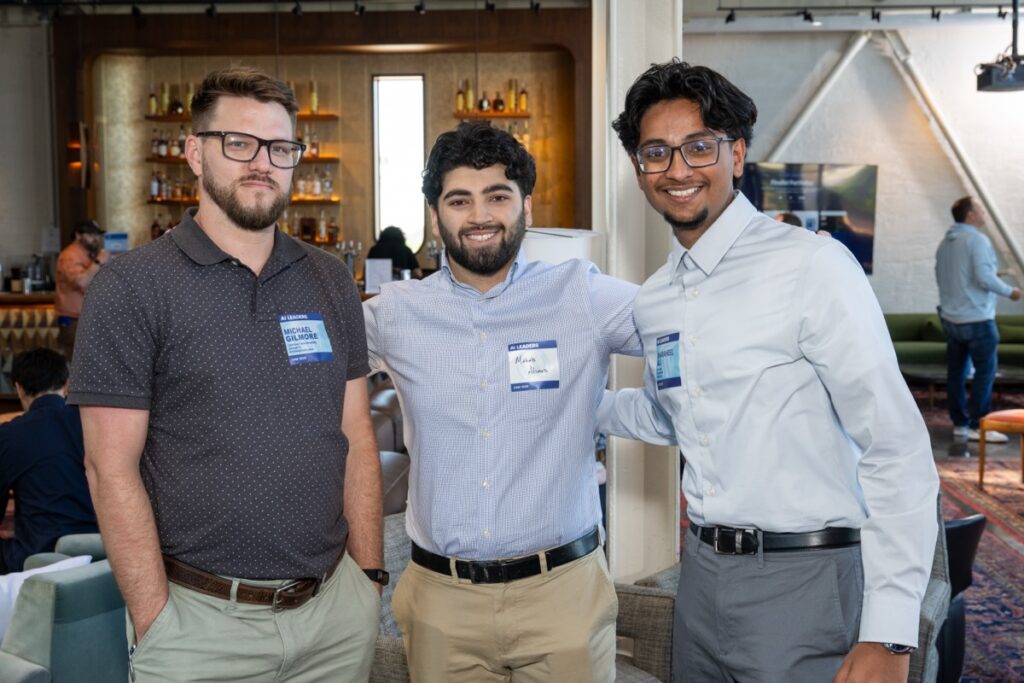
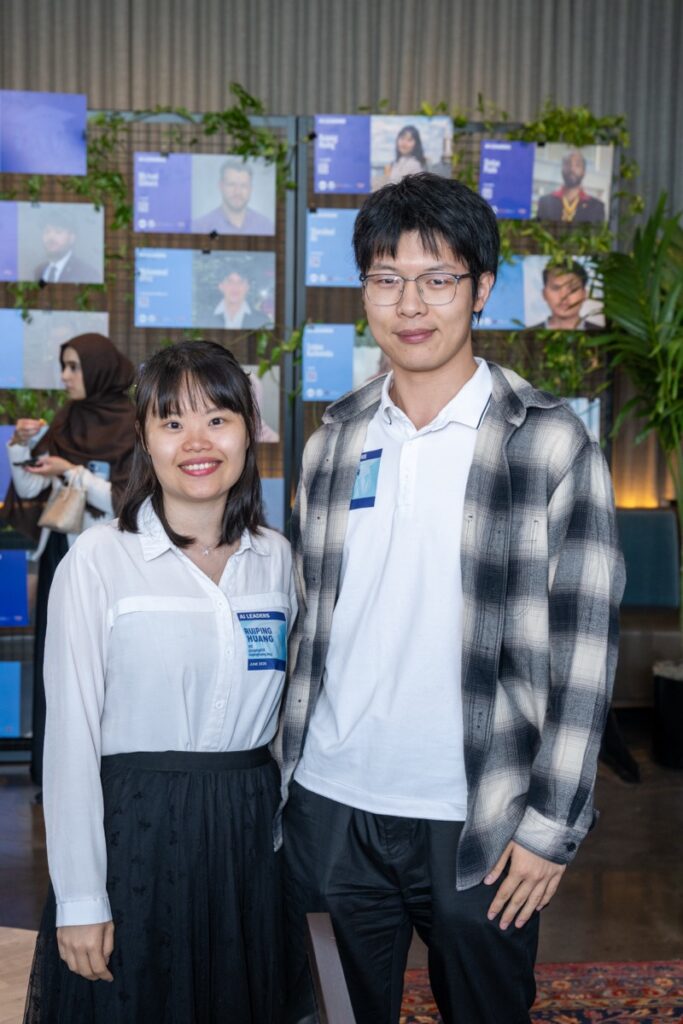
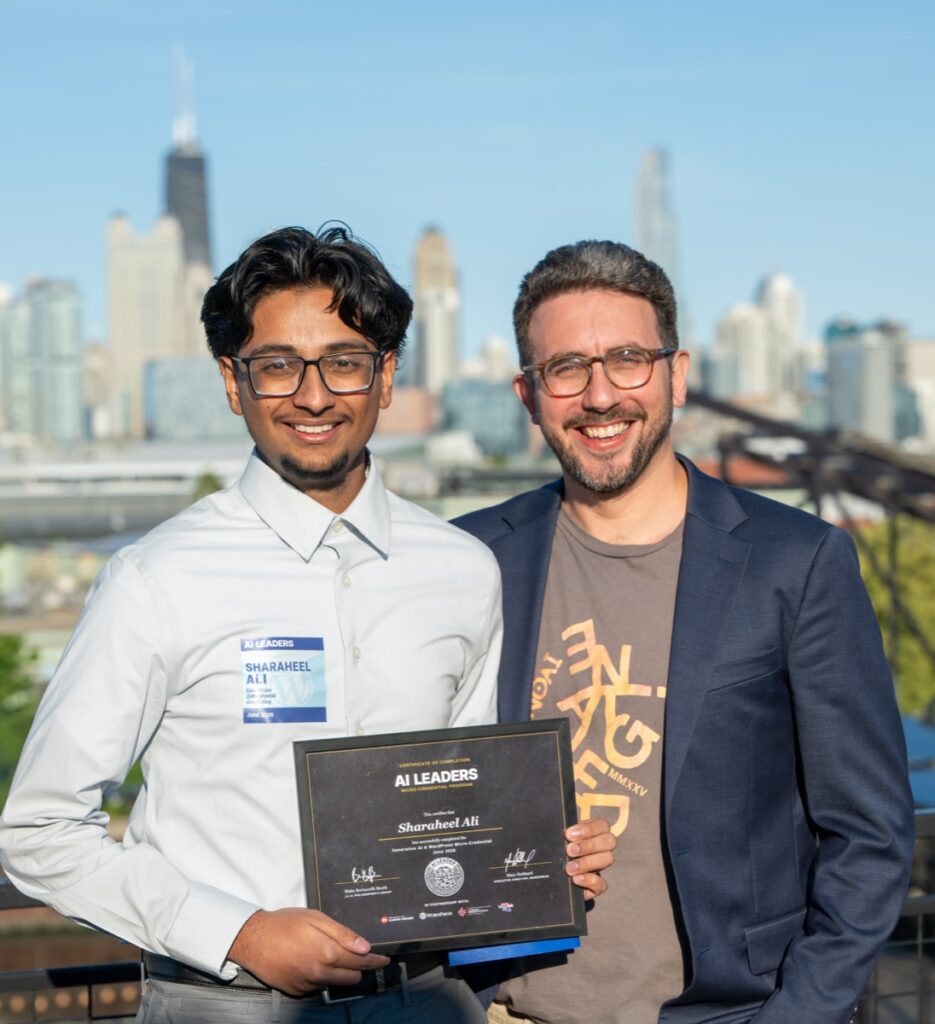
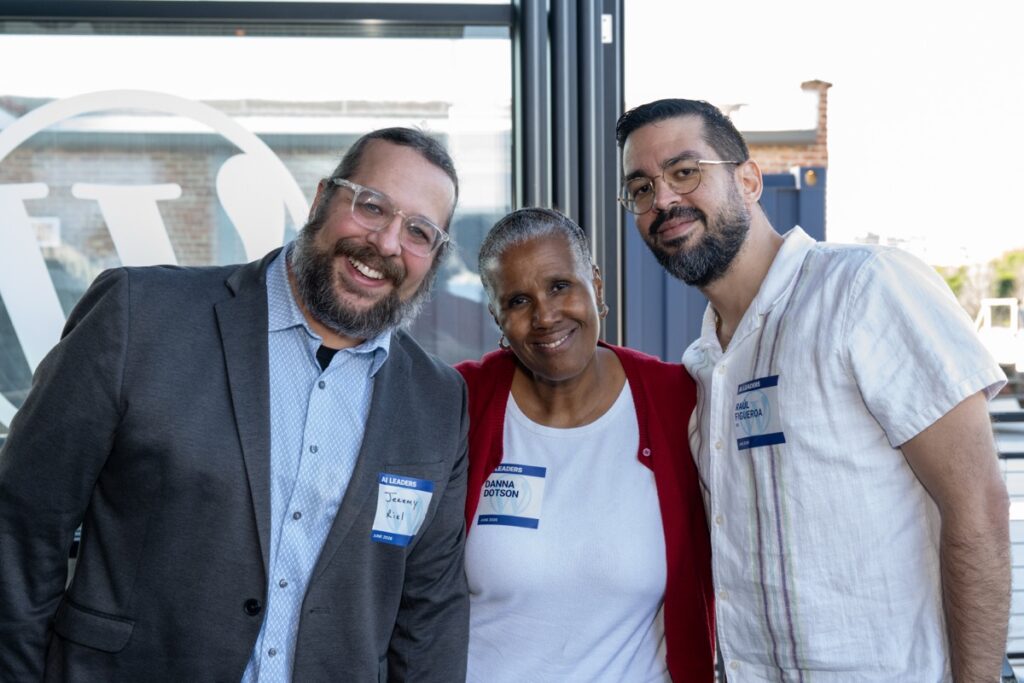
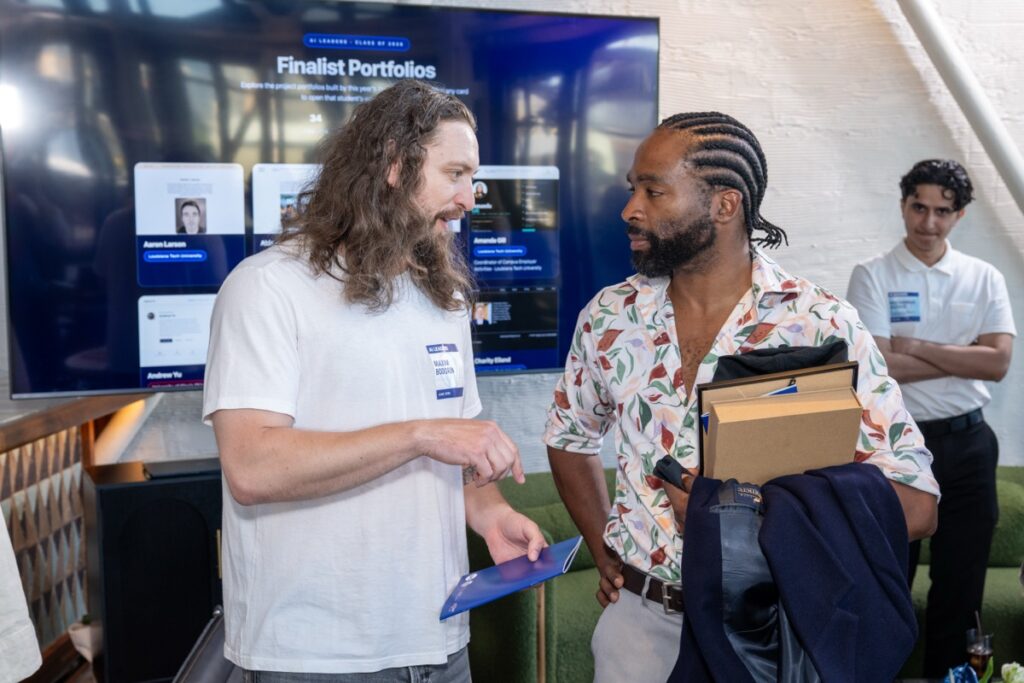
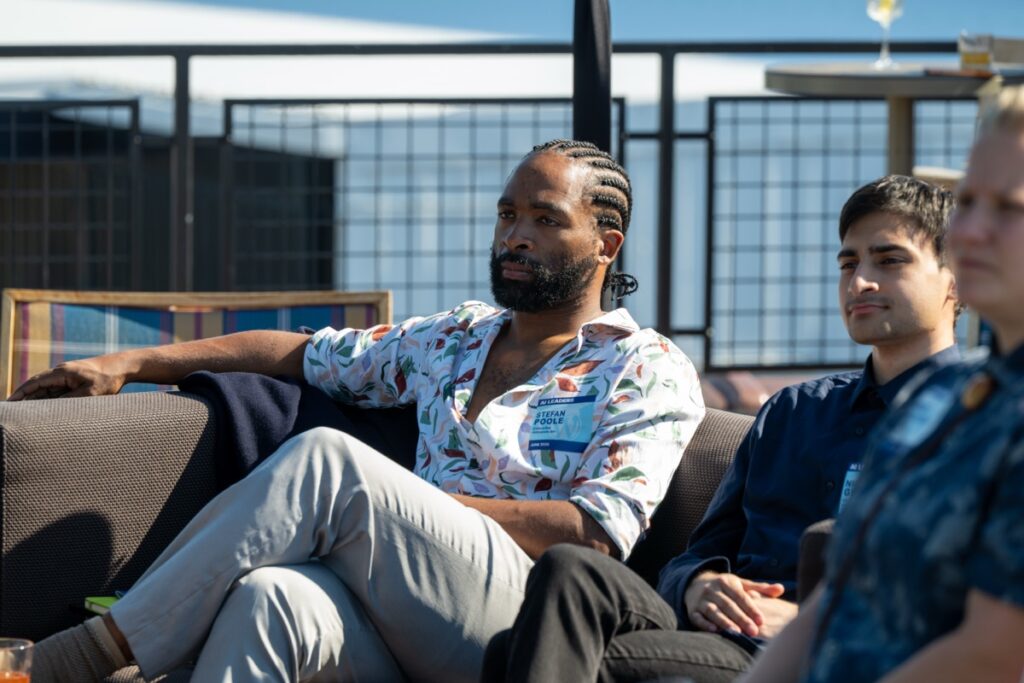
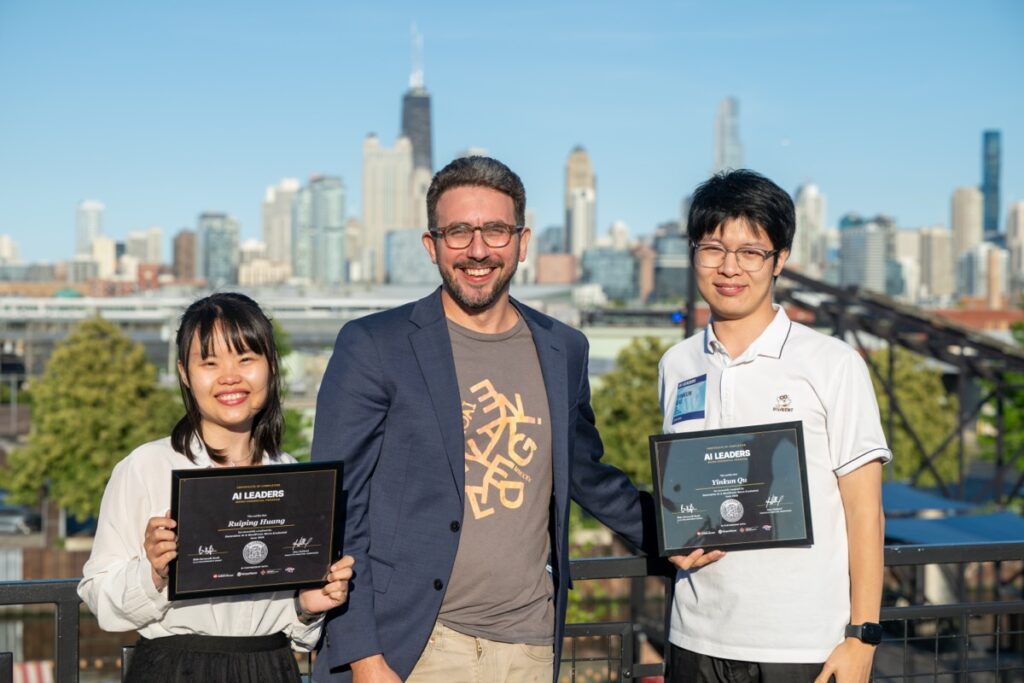
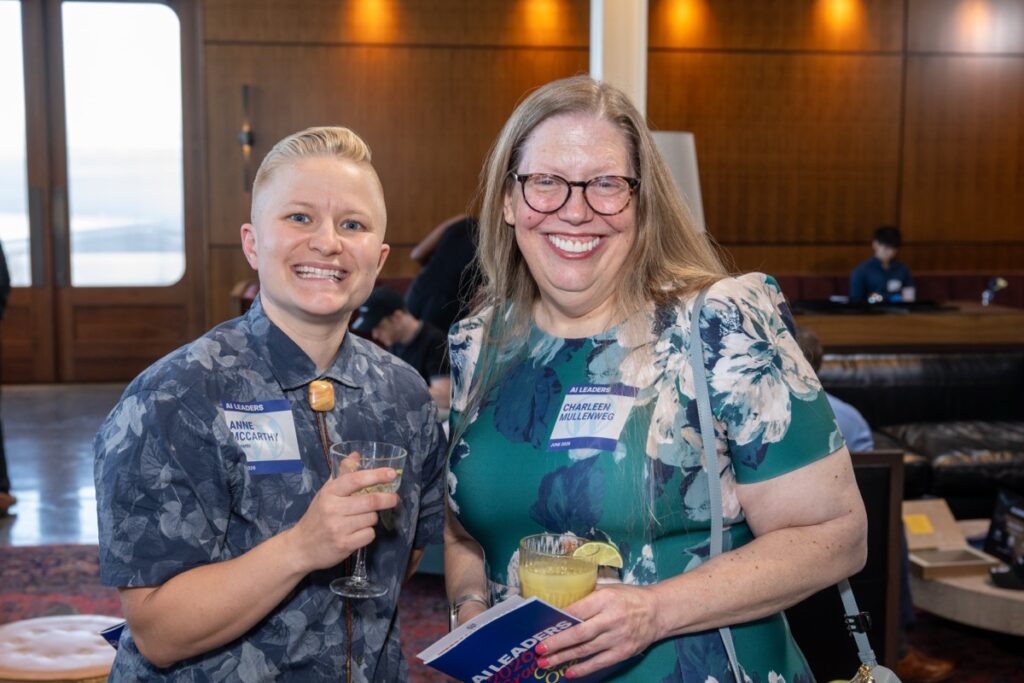
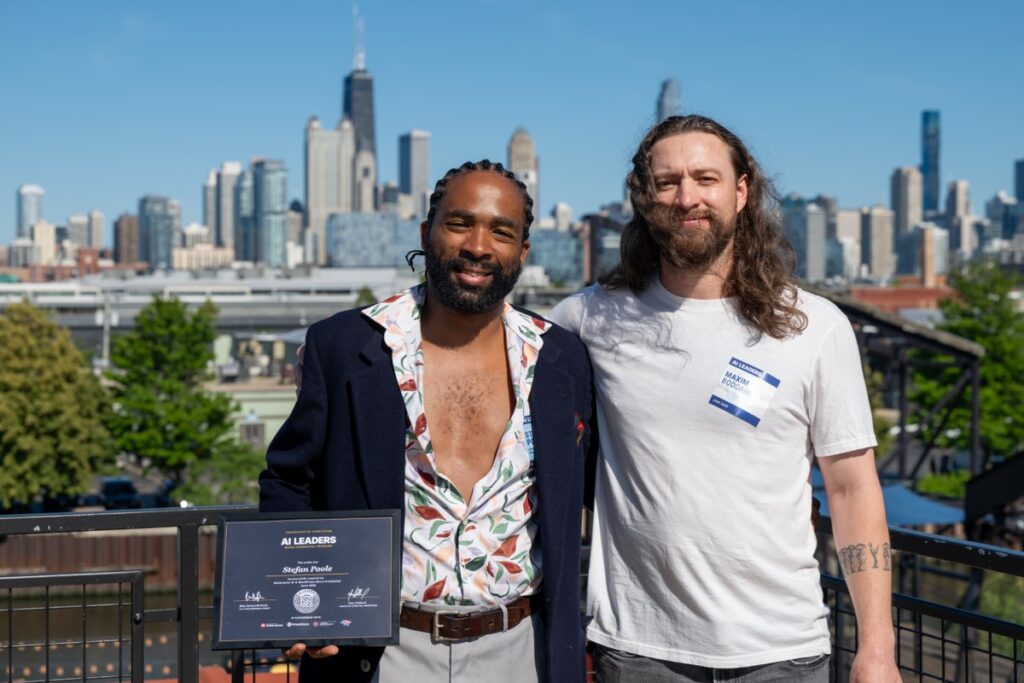
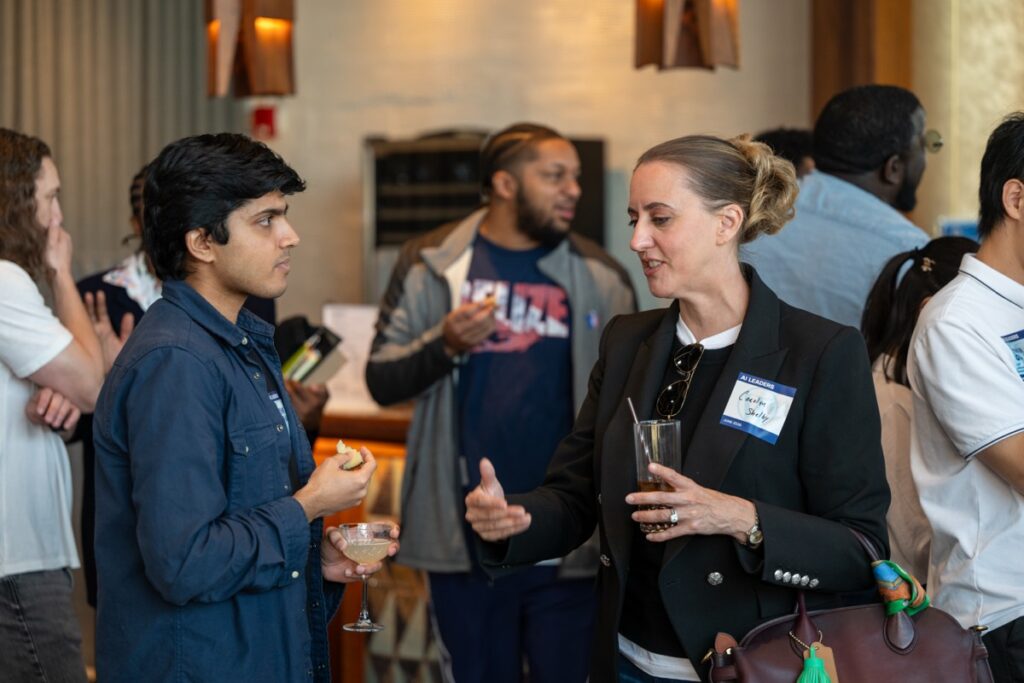
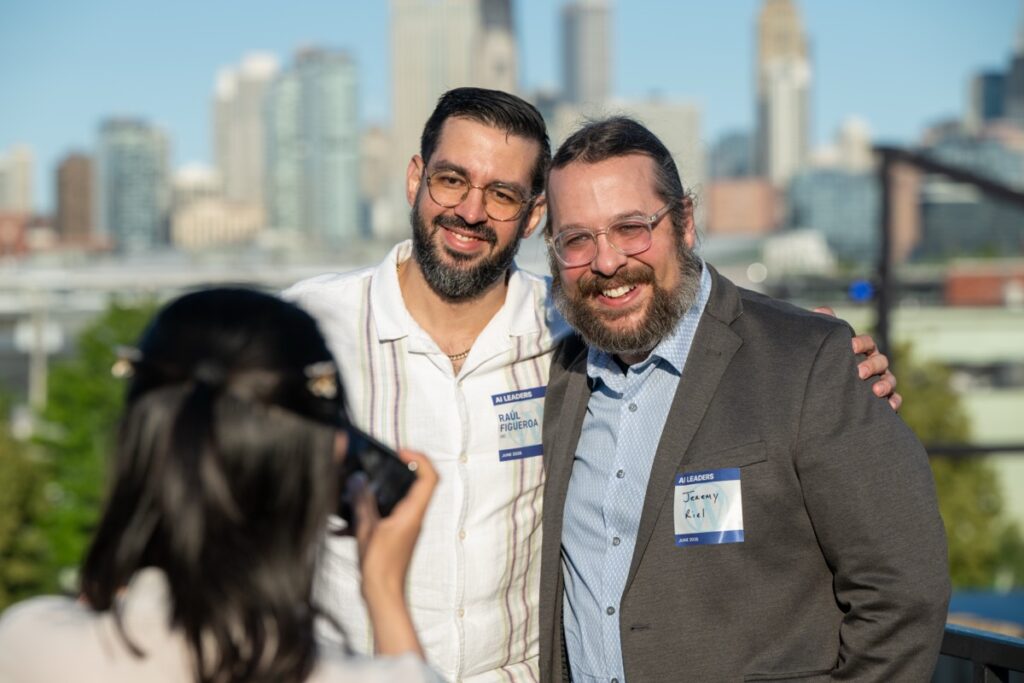
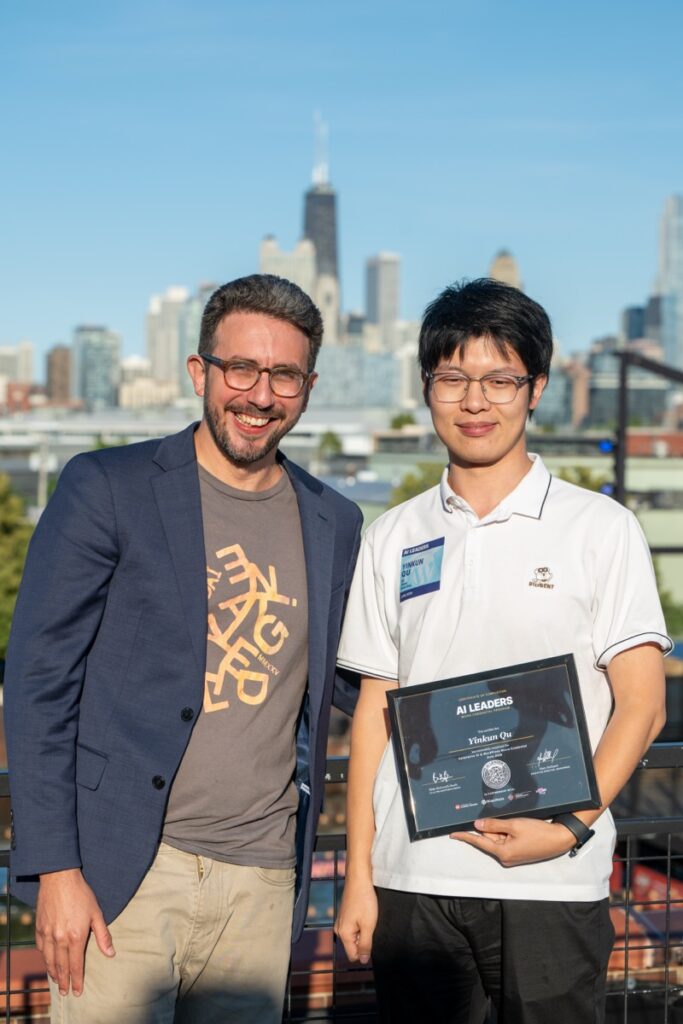
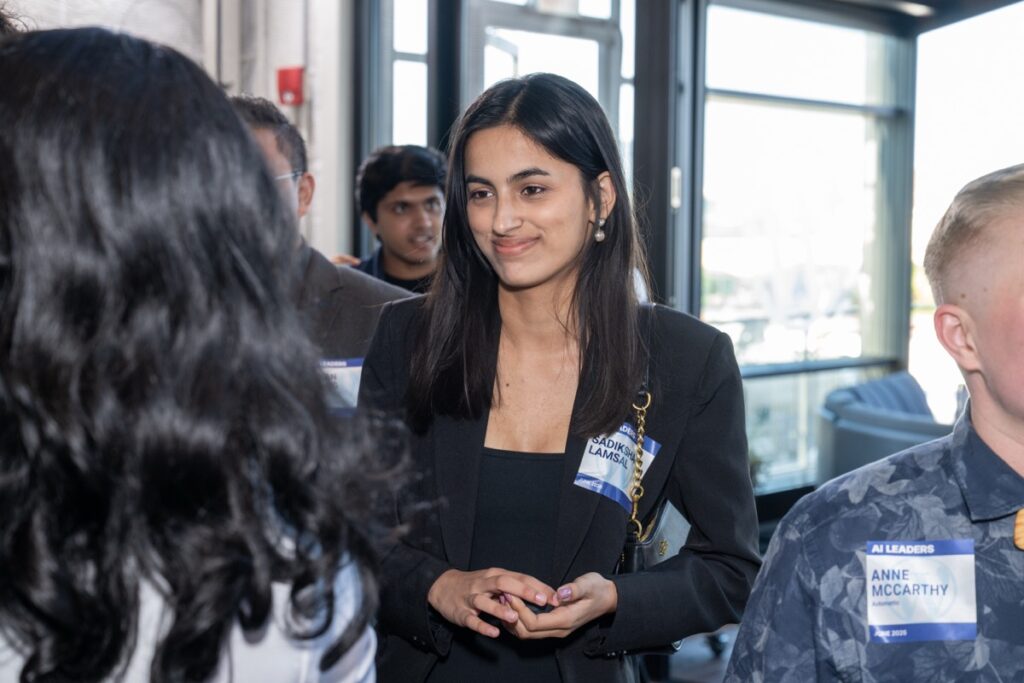
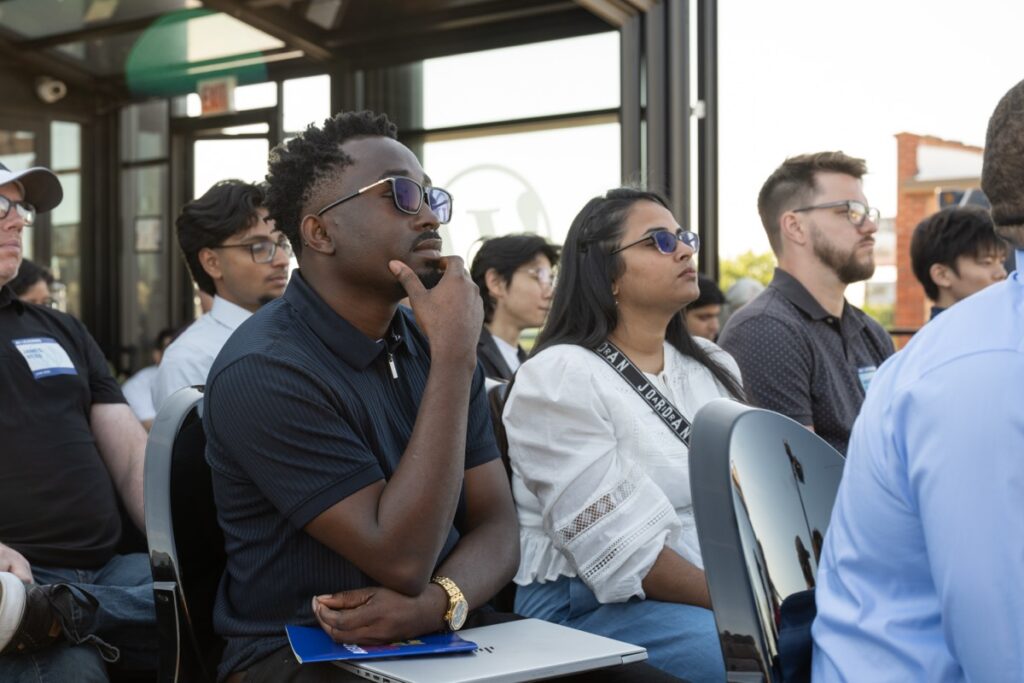
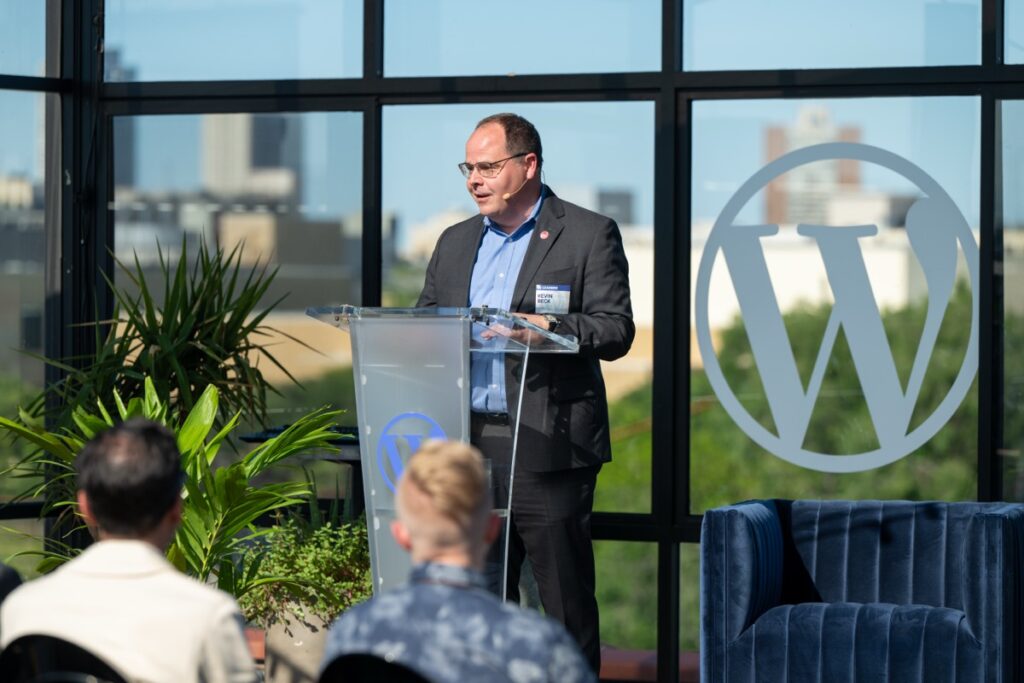
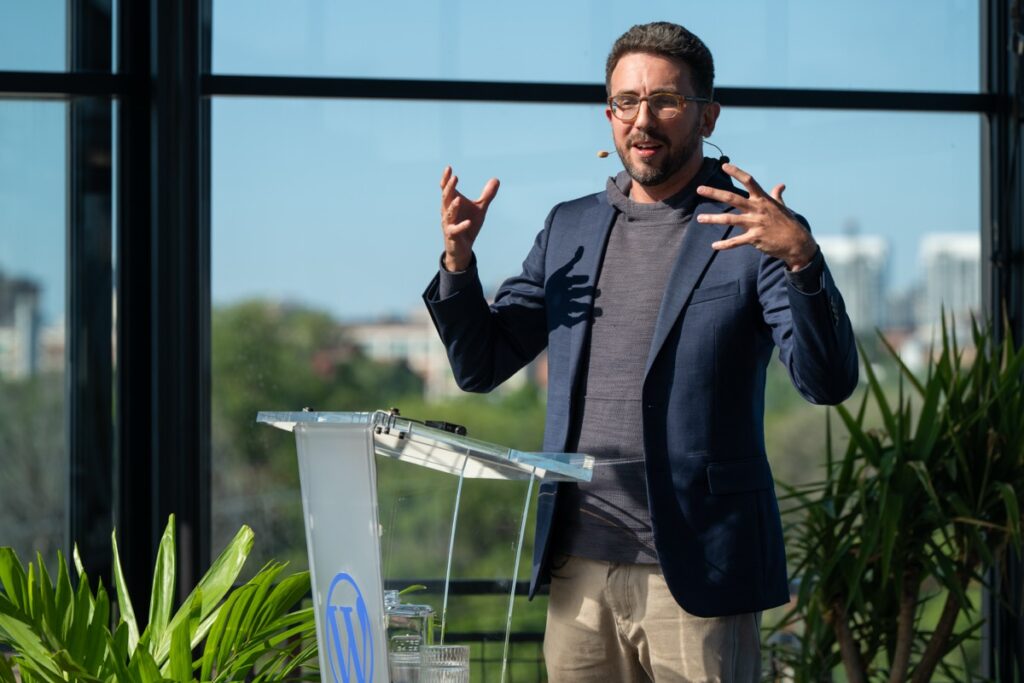
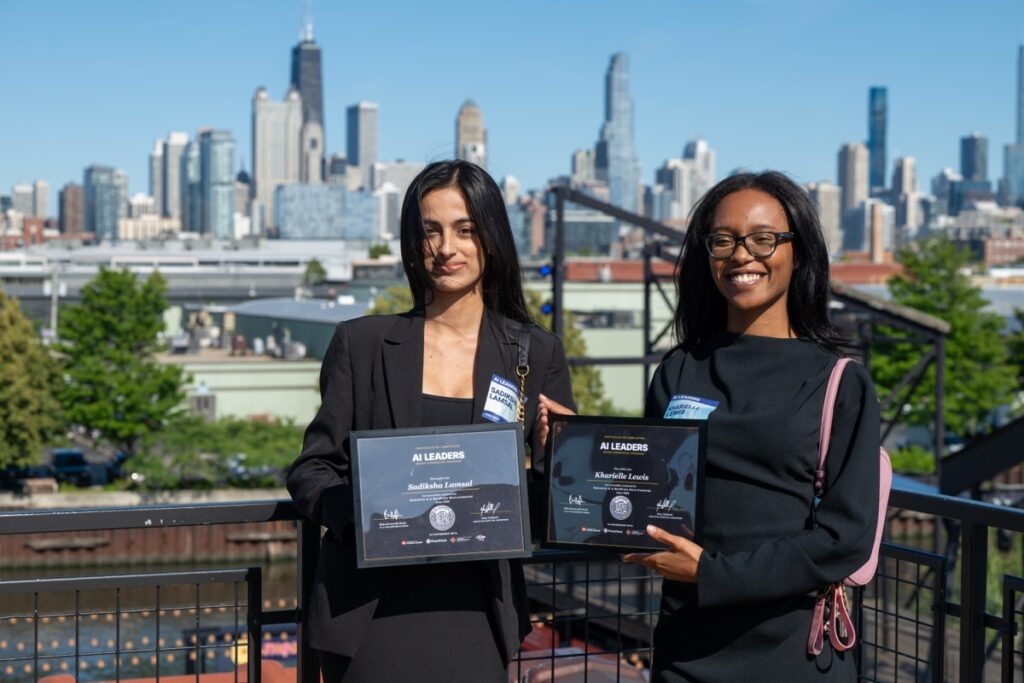
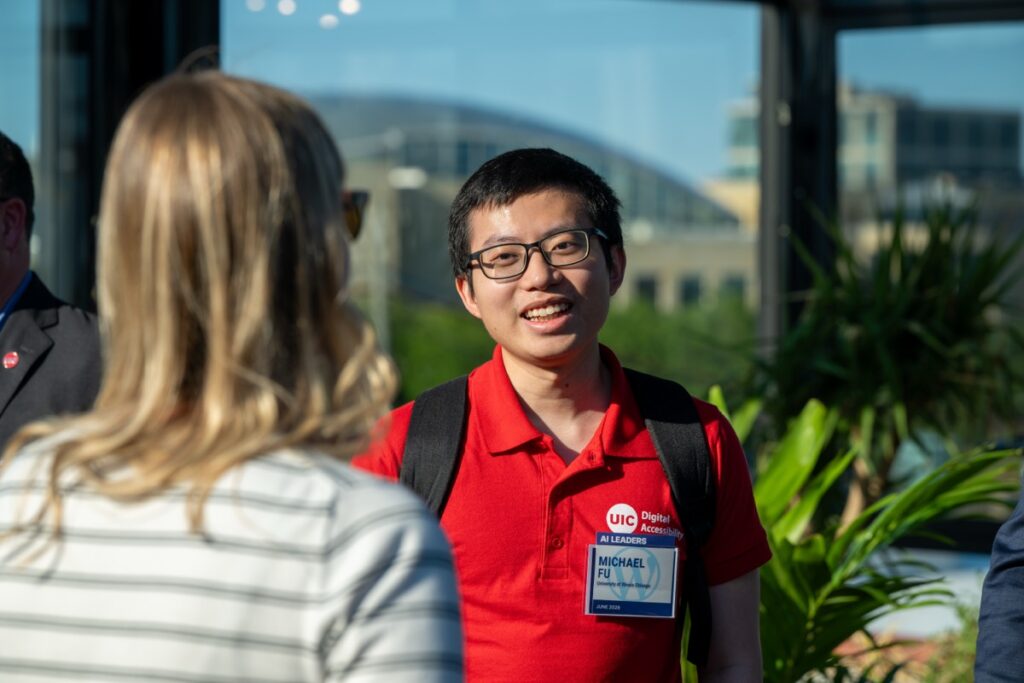
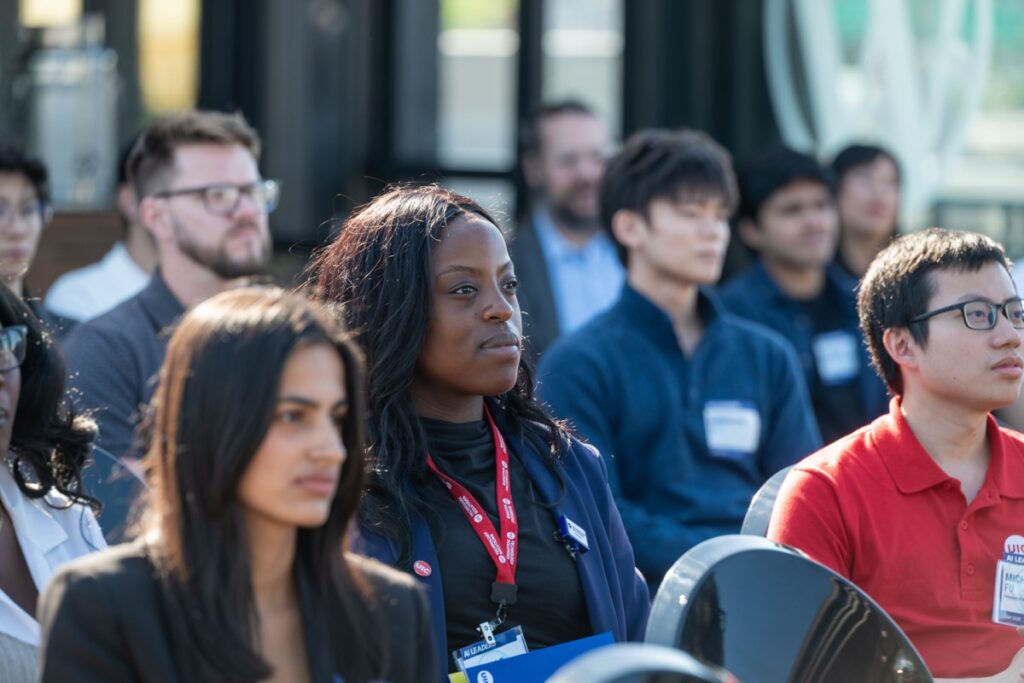
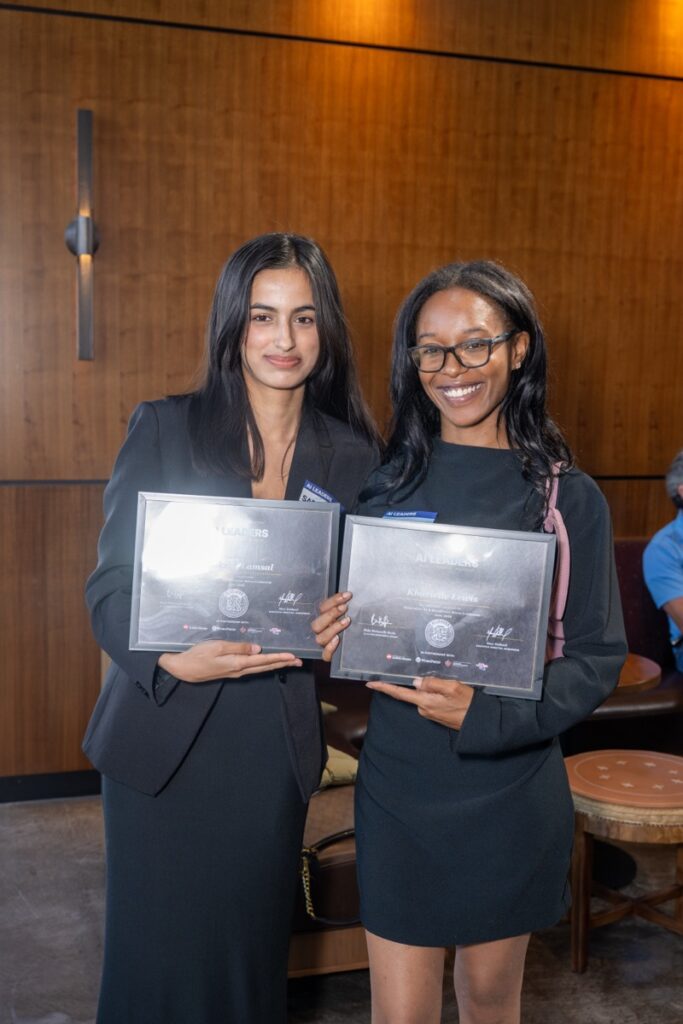
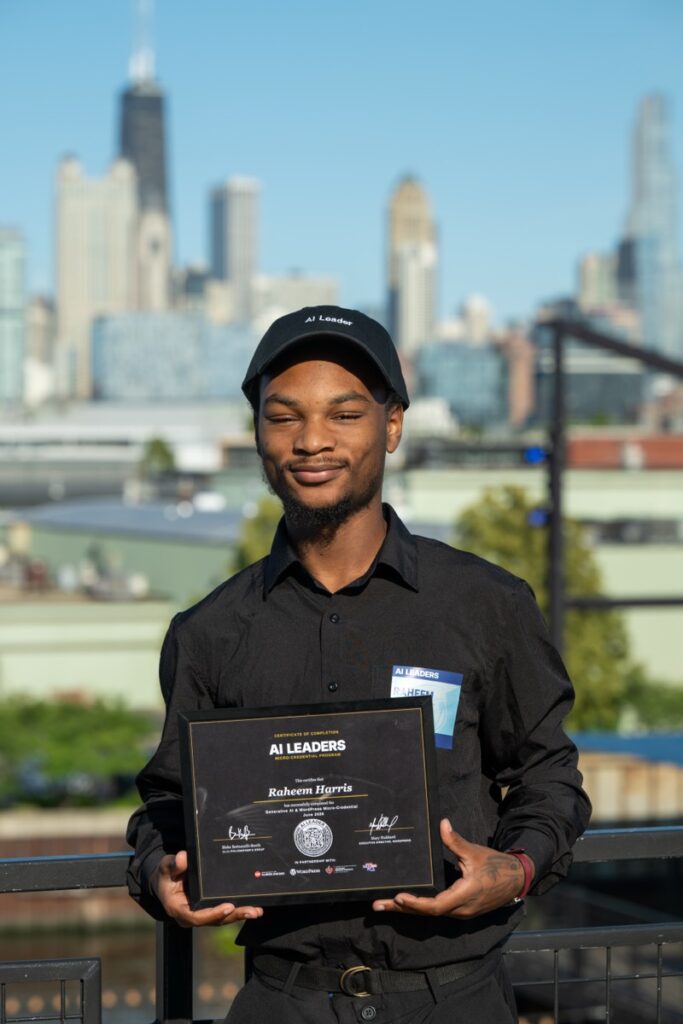
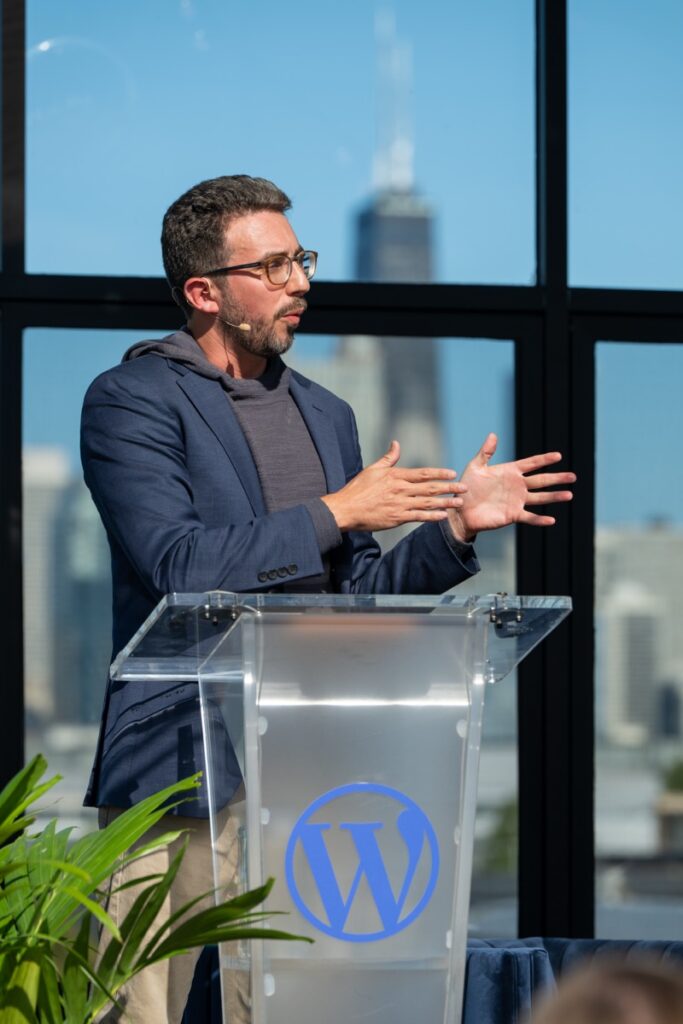
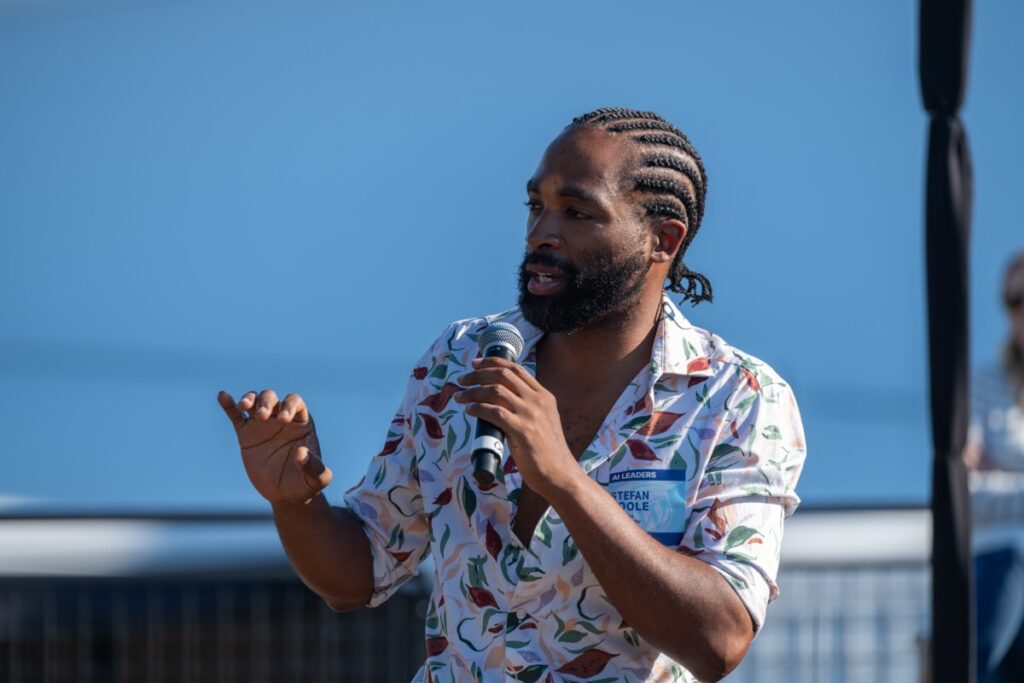
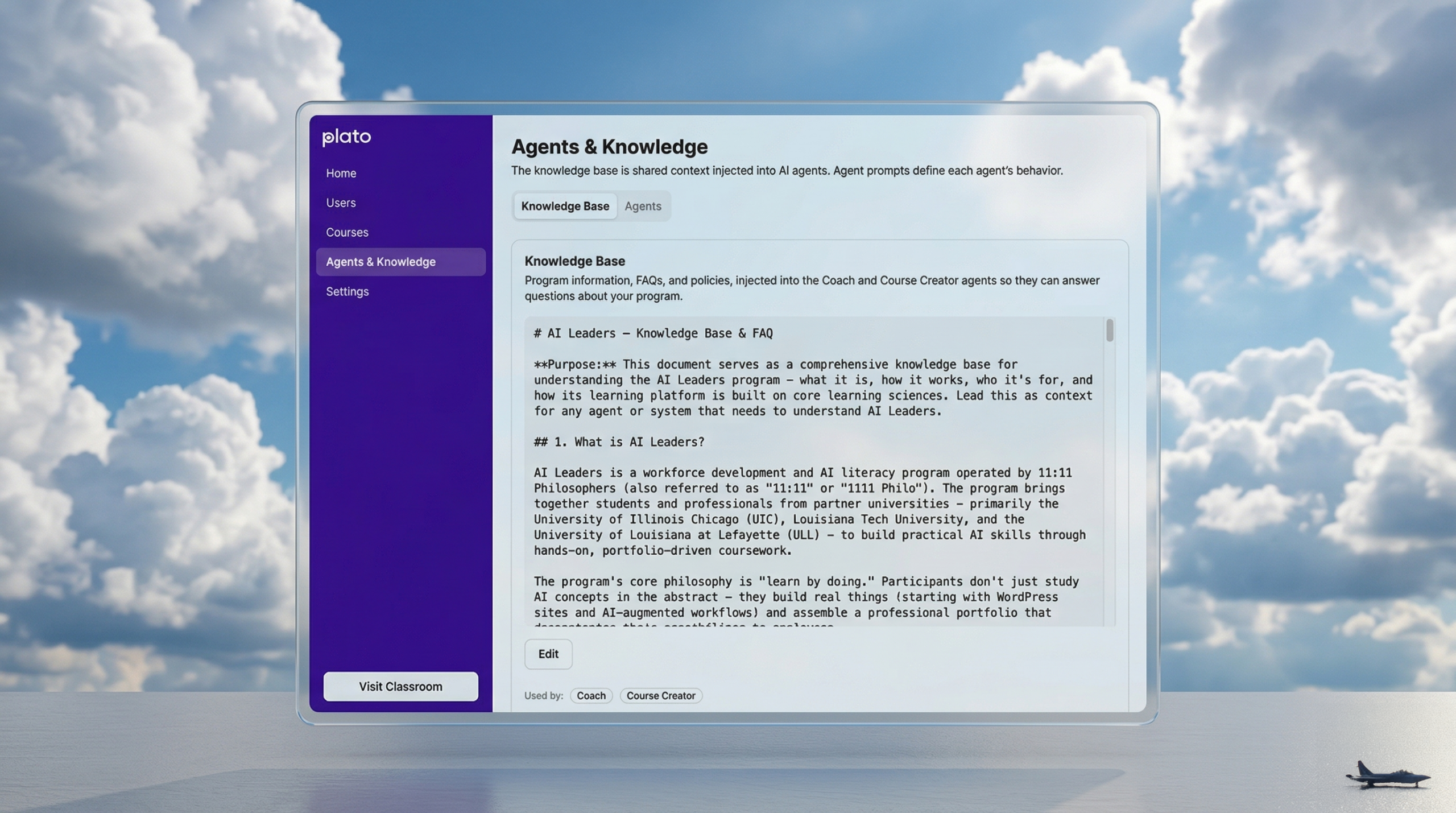
    AI Leaders is our AI Literacy initiative developed in partnership with the WordPress Foundation. This workforce-focused initiative provides participants with practical AI skills through hands-on projects, earning micro-credentials and job placement opportunities. The program directly benefits UIC students and faculty while aligning with donor priorities for workforce readiness. Additionally, the curriculum and tools are released as Open Source, extending the impact to a wider public.

    We’re also supporting Equalify in building a consortium of higher education partners to sustain the development of accessible digital tools. These tools include a cool AI PDF Remediation service, which we’ll announce at CSUN 2026.

    The Bigger Vision

    I’m posting this on the Philosopher’s Group blog because UIC-OSF creates a model I hope to extend beyond higher education into government, healthcare, and primary schooling.

    These public institutions, much like universities, are increasingly burdened by rising costs and the stranglehold of private equity-backed vendors. In government, expensive software contracts consume precious tax dollars. In healthcare, proprietary tools inflate costs and limit access to quality care. In primary schools, recurring vendor costs drain resources that should go directly to classrooms.

    Open Source offers a way out of this cycle. By redirecting public funding into Open Source projects, we can create more sustainable systems that deliver public value without locking institutions into expensive, closed software. This approach provides more control, greater transparency, and, ultimately, better outcomes for citizens, patients, and students.

    UIC-OSF is just the beginning. Once we demonstrate how Open Source can revolutionize the way higher education spends its tech dollars, we can start scaling this model to other sectors. But I’ll get more into that bigger social vision after I fix Higher Ed with UIC. 😀

  • Electric Monks Memory

    Several years ago, 11:11 Philosopher Sam Birdsong invited us into his house for a summer residency. I was just getting excited about LLMs, and I was surrounded by artists. We created a performance art piece called the Electric Monk experience. I can trace this experience directly to the number of professional/philanthropic AI work I’m doing (especially AI Leaders).

    The monk experience can probably be best described in pictures and song composed by 11:11 Philosopher Alex Ebert below (the Monk Dance was unfortunately never videoed):

    PS- Occasionally, the monks pop up at NOAI and in strange places. Stay tuned!

  • Introducing AI Leaders, and Why WordPress Matters

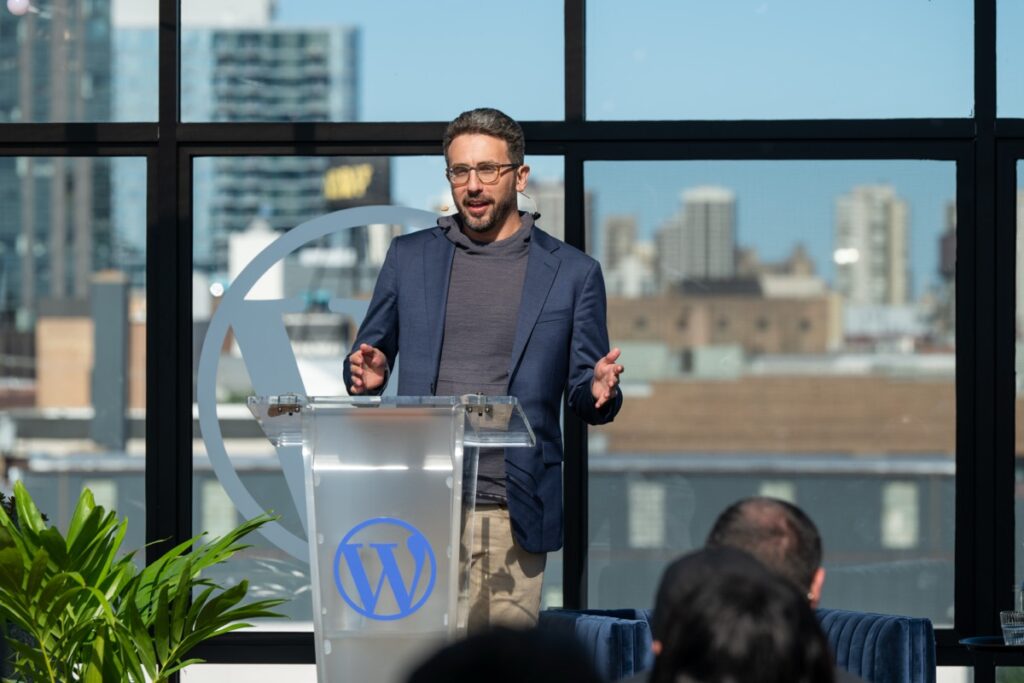
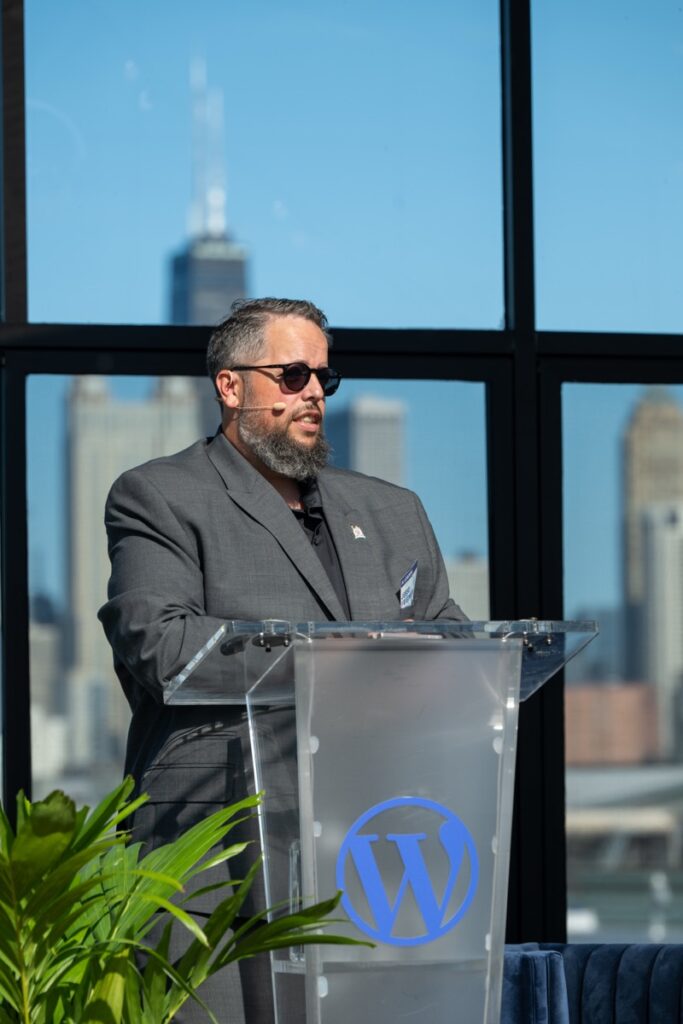
    Today, I’m launching AI Leaders.

    AI Leaders is a virtual AI Literacy course that gives 80 students the opportunity to earn living-wage WordPress jobs.

    WordPress is an amazing economic engine.

    When I was 17, I started using WordPress because I was tired of writing manual HTML to update sites. That shift changed my life. Over the next decade, I made a career building WordPress sites, but the real value wasn’t just money. WordPress allowed me to travel, experiment with art, and build new businesses.

    WordPress now powers over 40% of the internet and fuels a $590 billion economy. It isn’t just a blogging tool; it is a critical piece of global infrastructure.

    WordPress offers great new AI potential.

    WordPress projects like the Abilities API and MCP adapter add integration with Claude or ChatGPT, while the WordPress Playground makes way for Vibe Coding opportunities.

    Those projects are just a start.

    I’m sure a new generation of coders will make WordPress more efficient, easier to use, and feature rich with AI.

    To accelerate WordPress’ AI Future, I’ve teamed up with the WordPress Foundation, UIC, Louisiana Tech, and the Louisiana Educate Program to build AI Leaders.

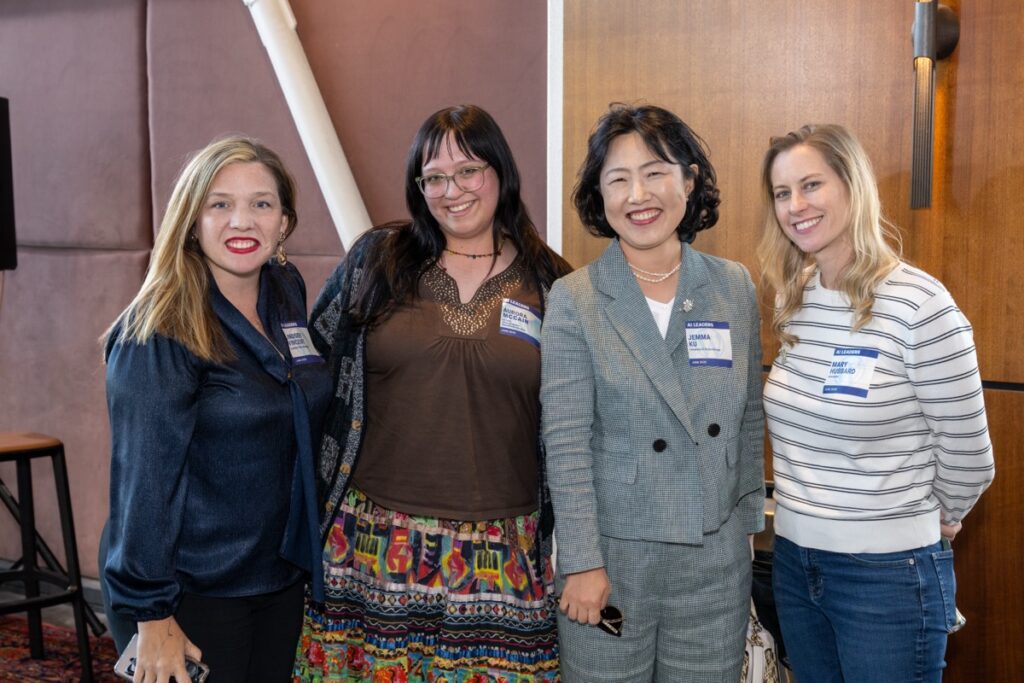
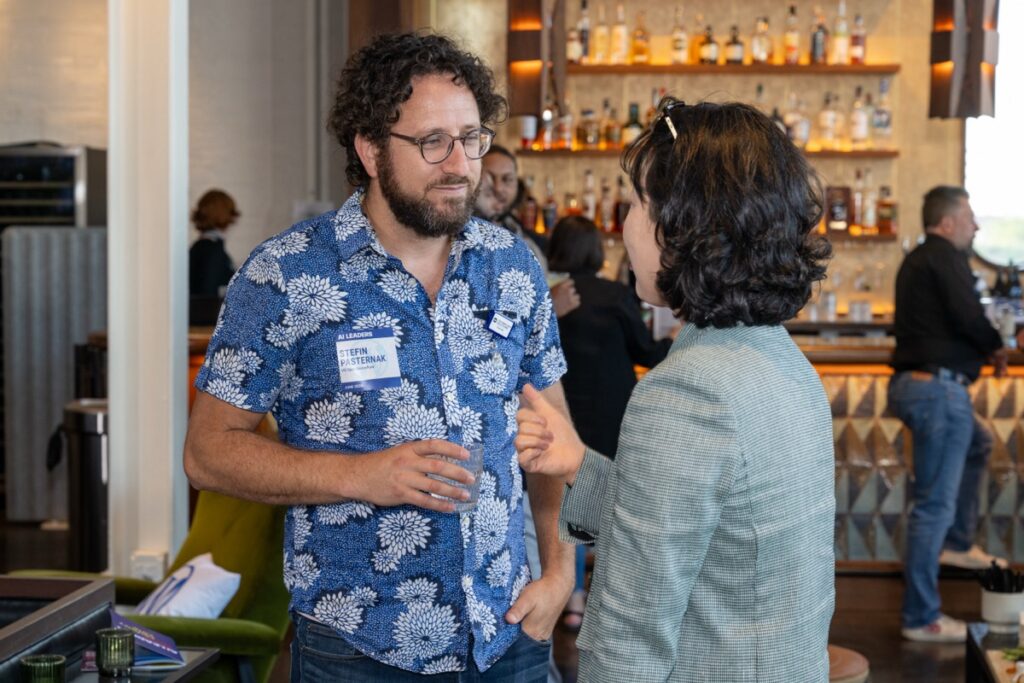
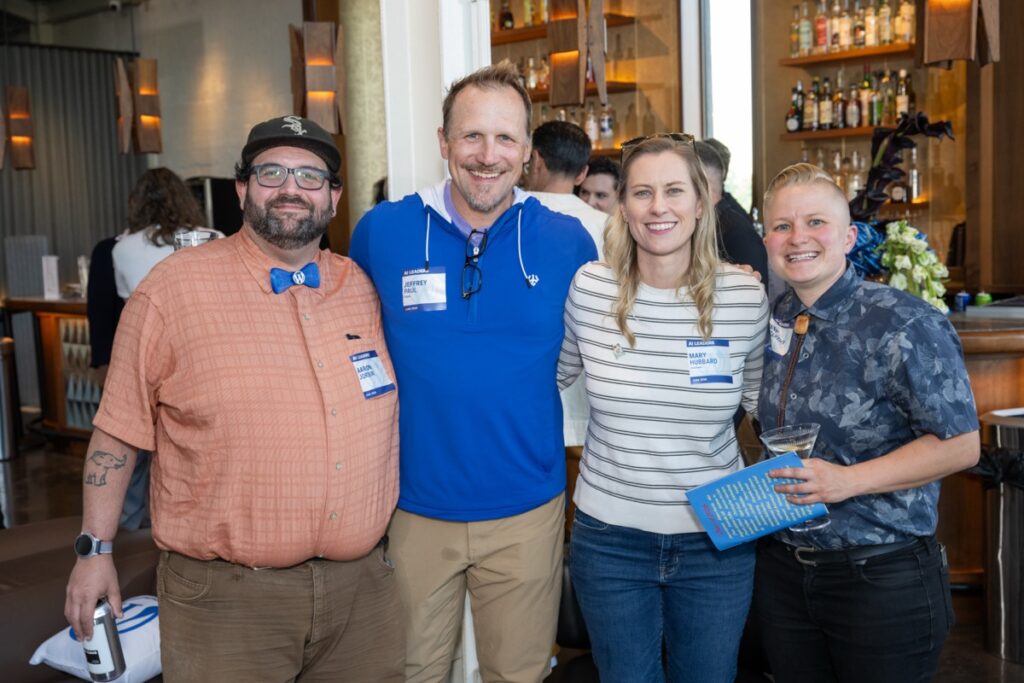
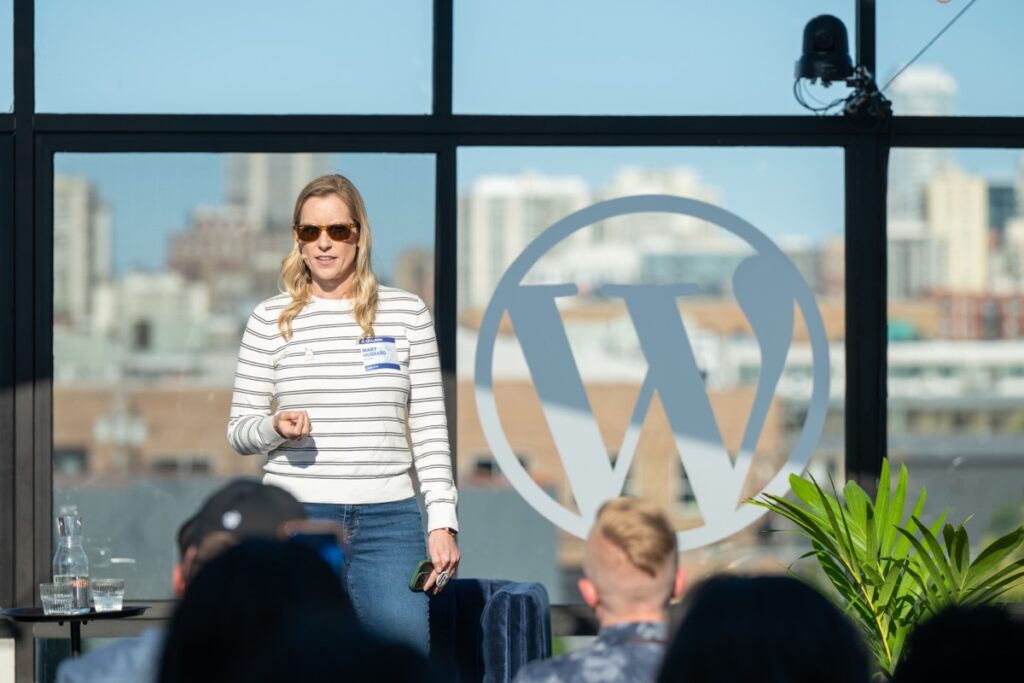
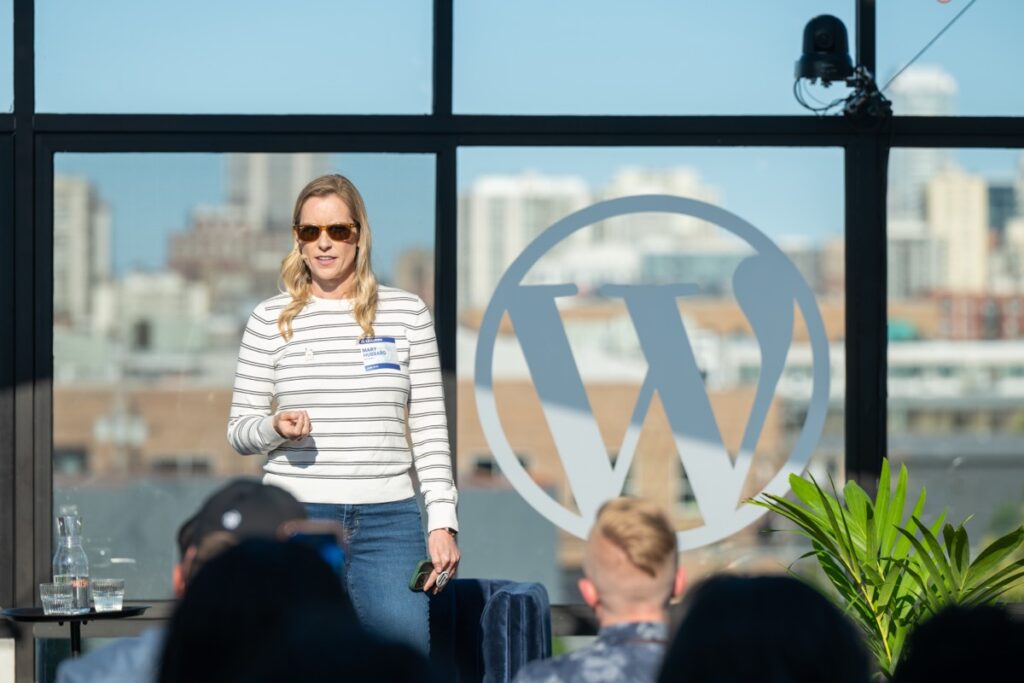
    We are inviting 80 individuals from Illinois and Louisiana to turn their interest in AI into paid WordPress work. Participants will collaborate with mentors — including myself, Mary Hubbard (Executive Director of WordPress), and Stefin Pasternak — to build projects that demonstrate WordPress remains the most efficient tool for creative expression.

    WordPress has been good to me. By attracting and training new talent, WP can remain an economic engine for generations to come.

  • Reimagining the Funding of Public Benefit Organizations Through Open Source Models

    Reimagining the Funding of Public Benefit Organizations Through Open Source Models

    Public benefit organizations such as hospitals, schools, and other essential services play a critical role in society, yet they often rely on taxes or fees to survive.

    There is a sustainable alternative to taxing users: organizations should build their financial model on Open Source services. This approach would help eliminate the need for taxing or charging fees, allowing public benefit organizations to thrive without putting the financial burden on the public.

    The Role of Open Source in Supporting Public Benefit Organizations

    Open source is the engine that powers this model. It turns a public benefit service into shared infrastructure: no single organization owns the core asset, and no one can lock others out with licensing, exclusivity, or vendor control. Instead, multiple institutions co-develop the same tools, methods, and content, lowering the cost for everyone and improving quality through real-world use at scale.

    For public benefit organizations, the practical advantage is compounding reuse. When one hospital, school, or agency improves an open tool, every other participant can adopt that improvement immediately, avoiding duplicate spending and accelerating progress. Open governance also aligns incentives: contributors support what they actually need, and the roadmap reflects the priorities of the organizations doing the work.

    The Role of Endowments and a Conservative Approach

    While open source services can provide much of the operational support for public benefit organizations, some aspects still require funding through traditional means. This includes costs for material infrastructure, facilities, and other areas where Open Source solutions are not feasible. Organizations can address these needs by establishing endowments. This financial security can serve as startup capital, cover un-open-source-able expenses, and act as an insurance policy in case certain services become obsolete or are no longer in demand.

    One reality of this system is that organizations with larger endowments will likely attract more attention and become more selective in who they serve. Over time, laws may need to evolve to address this imbalance.

    My focus is not on figuring out laws for a system. The system I am describing needs to be built before it is policed. In building the system, I hope my efforts will reduce the reliance on taxes and fees for essential public services in meaningful ways.

    Examples of Open Source Public Benefit Services

    Here are two examples of how open source development has successfully sustained public benefit services in my work:

    1) Web Accessibility Testing and Remediation

    In the past, many universities spent hundreds of thousands of dollars on digital accessibility testing and remediation. While ensuring accessibility is both legally required and ethically important, the costs are often prohibitive. To address this, I built an Open Source digital accessibility testing and remediation ecosystem. Initial costs were covered by the University of Illinois Chicago (UIC) and a few other early supporters. As more organizations joined the project, costs decreased, and they gained greater control over the development roadmap.

    The Open Source model has proven more cost-effective for institutions than hiring outside vendors to provide the same services. Additionally, UIC has become a leader in web accessibility, attracting talent from other universities and accessibility companies. Eventually, I expect Equalify to generate net income for UIC, establishing it as a major player in accessibility while sustaining the work through contributions from partner organizations.

    2) “AI Leaders” Workforce Development Course

    In 2025, I expanded my focus beyond software to explore whether open source could be applied to content. I launched “AI Leaders,” a workforce development course that teaches students valuable AI skills and provides job placements upon completion. Like the web accessibility ecosystem, this course was designed to be sustainable without user fees(in fact, we pay users for completing the course).
    As the course expands to more organizations and becomes a talent pipeline for WordPress, it is expected to generate more revenue for UIC while attracting new talent to the university. The success of this project is a testament to the potential of Open Source models to create self-sustaining public benefit services.

    Expanding the Open Source Model to Other Industries

    The open source model is not limited to software and content. It can be applied to various sectors, including healthcare and education, to reduce costs and increase access to essential services.
    Healthcare

    In healthcare, as in education, organizations can specialize in specific areas of medical care or techniques. These organizations could share their expertise and resources with others in exchange for contributions or payment, creating a collaborative ecosystem that benefits everyone. Hospitals could focus on specific specialties, and other institutions would pay for access to their knowledge or methods. This could reduce the reliance on private insurance or government funding, ultimately lowering healthcare costs.

    Liberal Arts Education

    The open source model could also apply to liberal arts education. For example, a liberal arts college could develop a course on an esoteric topic, such as A.R. Ammons’ poetry. The course would be Open Source, meaning other institutions could adopt and modify it. As the course gains popularity, organizations may contribute to its development or pay to dictate its roadmap. While the college may not have the financial resources of a large institution, it could still thrive by offering valuable knowledge to a broader community of learners.


    My Mission

    The goal of creating a system that allows public benefit organizations to provide services without relying on taxes or user fees is ambitious, but it is not beyond reach. By embracing open source principles and leveraging endowments, organizations can create a sustainable ecosystem that benefits society as a whole.

    While this vision may not be fully realized in my lifetime, I believe it would reduce the cost of public services. The more we can reduce the financial burden of providing these services, the more we can ensure that essential goods and services are available to all, regardless of their financial means.

  • LaLeadsAI.org – AI Literacy Campaign

    LaLeadsAI.org – AI Literacy Campaign

    Happy to announce our AI Literacy campaign, LaLeadsAI.org, is now live. 

    I believe AI allows for more than just technical innovation. We can use AI to help societies, like Louisiana, pull up their bootstraps and lead. 

    Join us!

  • Teach GenAI. Get a Daylight.

    Teach GenAI. Get a Daylight.

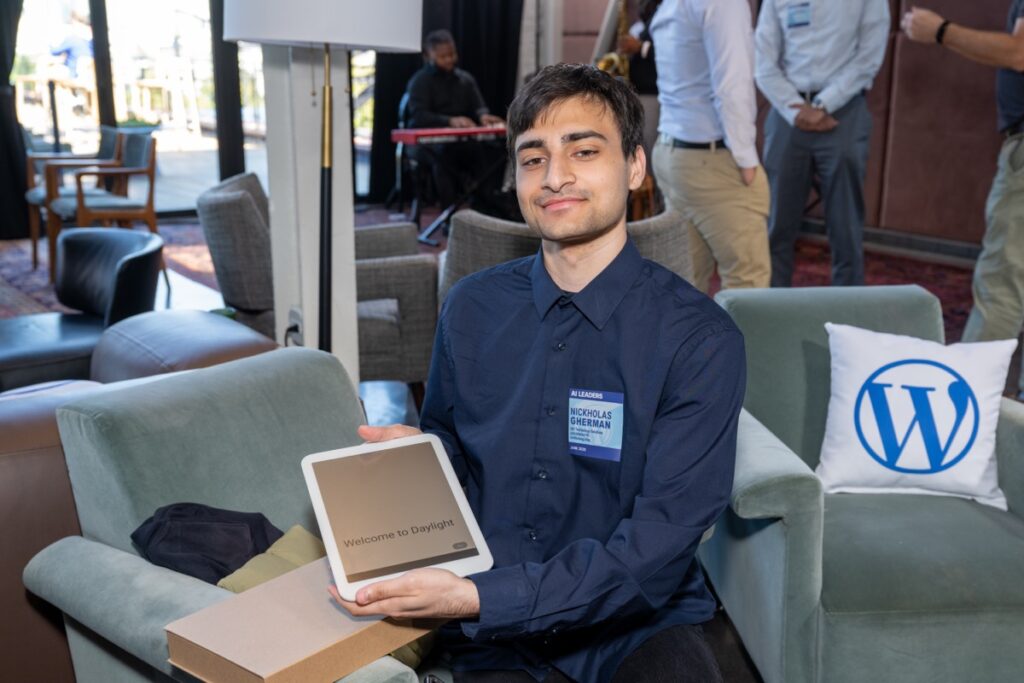
    I was nervous about giving my daughter a computer. But then I discovered Daylight. Daylight is built around an e-ink display that suppresses addictive colors. My daughter plays with it for a while, then puts it down. I have yet to see the fiendish behavior I’ve seen when she picks up my phone.

    Now, I’m hoping to give lots of other kids the chance to use a Daylight, while also teaching them about AI.

    1111 and I are trading Daylights for AI lessons.

    Here’s how it works:

    1. Submit a 3-hour lesson idea that can run on a Daylight device (for example, “Teach AI to draw like me”).
    2. Selected lessons receive a Daylight on loan, and we’ll help schedule your session.
    3. Teach your lesson.
    4. Keep your Daylight.

    We’re looking for simple, creative lessons that advance AI Literacy (see the AI Innovation Index for reference).

    Here’s the submission form:

    This field is for validation purposes and should be left unchanged.

    Questions? Drop them in the comments.

    PS: Thanks to Matt for giving us 50 Daylights!

  • Reimagined Philanthropy: Take Action Now, Not Later

    Reimagined Philanthropy: Take Action Now, Not Later

    With 11:11 Philosopher’s Group (“1111”), I aim to build a public charity in the BRAC model. I work with domain experts to rapidly scale social impact ventures.

    By building bold ideas today, we can create a sustainable cycle of innovation that benefits communities in the long term.

    My first project was Equalify, an Open Source web accessibility platform. The project is now part of the University of Illinois Chicago (more info).

    With 1111, I’ve also launched NOAI, a festival to push innovation in New Orleans, a great city with a decreasing population. That festival is on track to reach sustainability by 2026.

    My next venture is AI Leaders, an Open Source GenAI learning platform. I am working with great partners from LSU, Tulane, WordPress, the Louisiana State Board of Elementary and Secondary Education (BESE), and many others.

    I will be announcing more on AI Leaders soon, and I invite you to contact me for more information.

    My superpower is bringing together people to create change. I’m always looking for new collaborators.

    PS: You can check out our 1111 Notion with more info about the work that led us to this point – lots of coffee shop convos!